
Foreign
Barack Obama Gave Iran the Money to Finance What President Trump is Now Dealing With – Husted


A member of the U.S. Senate Small Business Committee, John Husted, has argued that President Donald Trump is now confronting the long-term consequences of policies implemented under former President Barack Obama, particularly in relation to Iran.
Speaking during an interview on Fox Business on March 17, 2026, Husted framed current U.S. actions in the Middle East as corrective measures aimed at reversing what he described as earlier strategic missteps.
Watch the full video here →
“Barack Obama gave them the money to finance what President Trump is now dealing with,” Husted said, pointing to the broader trajectory of U.S.–Iran relations over the past decade.
Husted’s remarks come at a time of heightened military and geopolitical tensions, with Washington intensifying efforts to curb Iran’s nuclear ambitions, ballistic missile development, and regional influence. The senator suggested that previous diplomatic engagements, including agreements reached during the Obama administration, contributed to conditions that allowed Iran to expand its capabilities.
His comments reflect a long-standing criticism among some U.S. policymakers, who argue that earlier engagement strategies did not sufficiently constrain Tehran’s activities. According to this view, Iran leveraged the economic and diplomatic space created during that period to strengthen its military infrastructure and deepen its involvement in regional conflicts.
The debate has gained renewed urgency amid ongoing operations involving the United States and its allies, as well as concerns over Iran’s ability to project power through proxy groups and strategic waterways such as the Strait of Hormuz. Husted’s framing positions the current administration’s approach as a necessary response to accumulated challenges rather than a standalone policy shift.
At the same time, defenders of the Obama-era strategy maintain that diplomatic efforts were designed to limit Iran’s nuclear program and avoid direct military confrontation, arguing that such agreements provided oversight mechanisms and reduced the immediate risks of escalation.
Husted’s comments underscore the broader partisan divide in Washington over how best to manage Iran’s role in global security. As tensions persist, the competing narratives—whether current actions are corrective or escalatory—continue to shape both domestic political discourse and U.S. foreign policy direction.
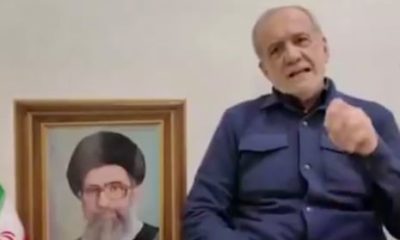



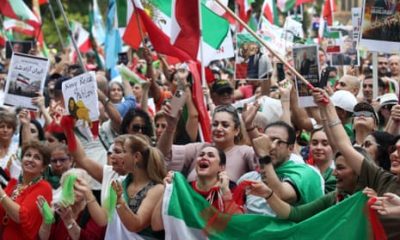



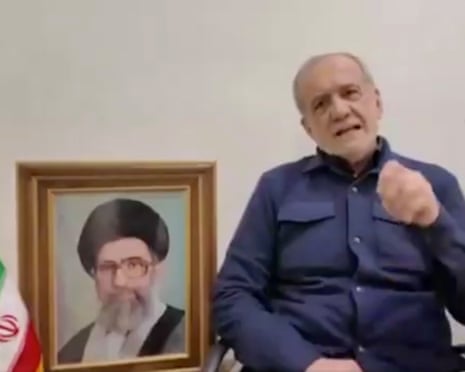
The Iranian President, Masoud Pezeshkian, has listed three conditions his country demands to end the ongoing war with the US and Israel.
Mr Pezeshkian, in a post on X, on Wednesday, mentioned one of the conditions as being the “payment of reparations” by the US for the damage it has caused to Iran. He said he disclosed the conditions in meetings with the “leaders of Russia and Pakistan,” two countries that condemned the US and Israel for starting the war.
“Talking to leaders of Russia and Pakistan, I reaffirmed Iran’s commitment to peace in the region. The only way to end this war—ignited by the Zionist regime & US—is recognizing Iran’s legitimate rights, payment of reparations, and firm int’l guarantees against future aggression.”
Over 1,300 Iranians have reportedly been killed in the war which started when the US and Israel commenced an unprovoked attack on Iran 13 days ago.
Retaliatory strikes by Iran have killed eight American soldiers and at least 12 people in Israel.
Some of the victims of the American and Israeli strikes include Iran’s former Supreme Leader, Ayatollah Ali Khameini, and over 160 schoolgirls who were killed when a missile hit their school.
A US military investigation of the strike on the school confirmed it was carried out by the US, the New York Times reported on Wednesday.
Although the US says it has destroyed all of Iran’s air force and navy and virtually all its missile capabilities, Iran continues to fire missiles and drones at Israel and US interests in the Middle East.
Iran has also ensured the closure of the Strait of Hormuz, where about 20 per cent of the world’s oil passes, leading to petrol price increases across the world, including in Nigeria.
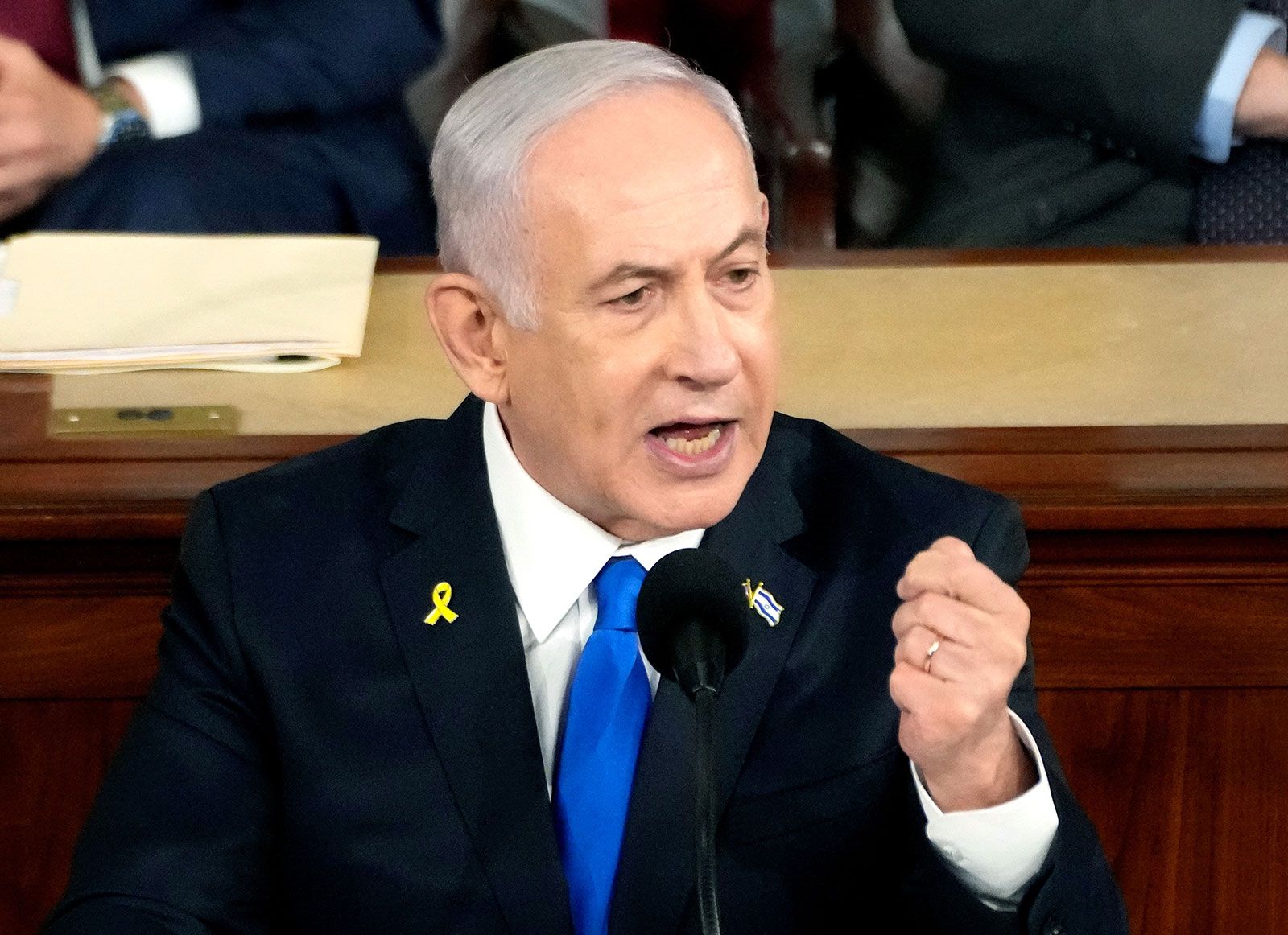
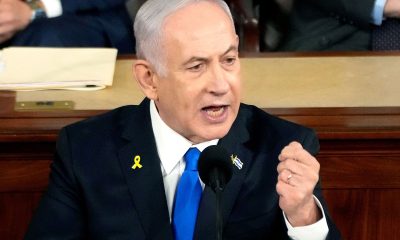
The Israel has renewed its allegations that Iran sponsors terrorism globally, including in Nigeria, amid an ongoing diplomatic row between the two countries over security claims and counter-claims.
In a statement issued on Tuesday in Abuja, Israel’s Ambassador to Nigeria, Michael Freeman, said Iran’s record on terrorism was well documented and could not be dismissed by public denials.
The statement followed recent comments by Iran’s envoy to Nigeria, Gholamreza Mahdavi Raja, who appeared on Arise Television on March 8, where he rejected accusations that Tehran sponsors extremist activities in Nigeria and across West Africa.
Responding to the denial, Freeman insisted that Iran has for decades been widely identified as a major state sponsor of militant groups across different regions of the world.
“For decades, Iran has been widely identified as the world’s leading state sponsor of terrorism, providing funding, weapons, training and strategic direction to terrorist organisations such as Hamas, Hezbollah and the Houthis,” the Israeli envoy said.
He further argued that activities linked to Tehran have not been limited to the Middle East but have extended to other parts of the world.
“Iranian-backed operatives and networks have been linked to attacks and plots across the globe; from Argentina and Bulgaria to Australia and the United Kingdom,” Freeman said.
The ambassador also referenced the October 7 attacks carried out by Hamas against Israeli civilians, alleging that Iranian leaders publicly praised the assault and encouraged further violence against Israel.
Freeman noted that Nigeria has also recorded incidents allegedly connected to Iranian-linked operations.
According to him, Nigerian authorities intercepted a shipment of Iranian weapons in 2010 at the Apapa Port in Lagos, which he claimed was concealed in cargo containers and allegedly destined for armed groups operating in West Africa.
He also cited a 2013 security operation in which Nigerian authorities reportedly uncovered a weapons cache and arrested individuals linked to the Lebanese militant group Hezbollah in Abuja and Kano.
Commenting further, Freeman said Iran’s denials could not erase what he described as documented evidence of its activities.
“The Iranian regime can make as many statements as they like and appear on as many television channels as they want. But facts speak louder than words. And the fact is that Iran is the world’s largest sponsor of terrorism and has backed the Islamic Movement of Nigeria for years,” he said.
He also alleged that Iran has supported the Islamic Movement of Nigeria (IMN), noting that Iran’s Supreme Leader Ali Khamenei had previously met with the group’s leader Ibrahim Zakzaky and praised him for his activism.
The Israeli embassy said the statement was issued to counter what it described as misinformation regarding Iran’s global activities.
“Terrorism threatens the security and stability of nations across the world, including here in Nigeria,” the statement added.
Foreign
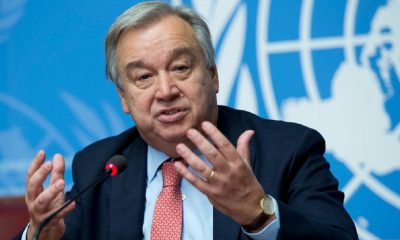
UN Chief Warns: World economy at grave risk,; ‘the situation could spiral beyond anyone’s control’
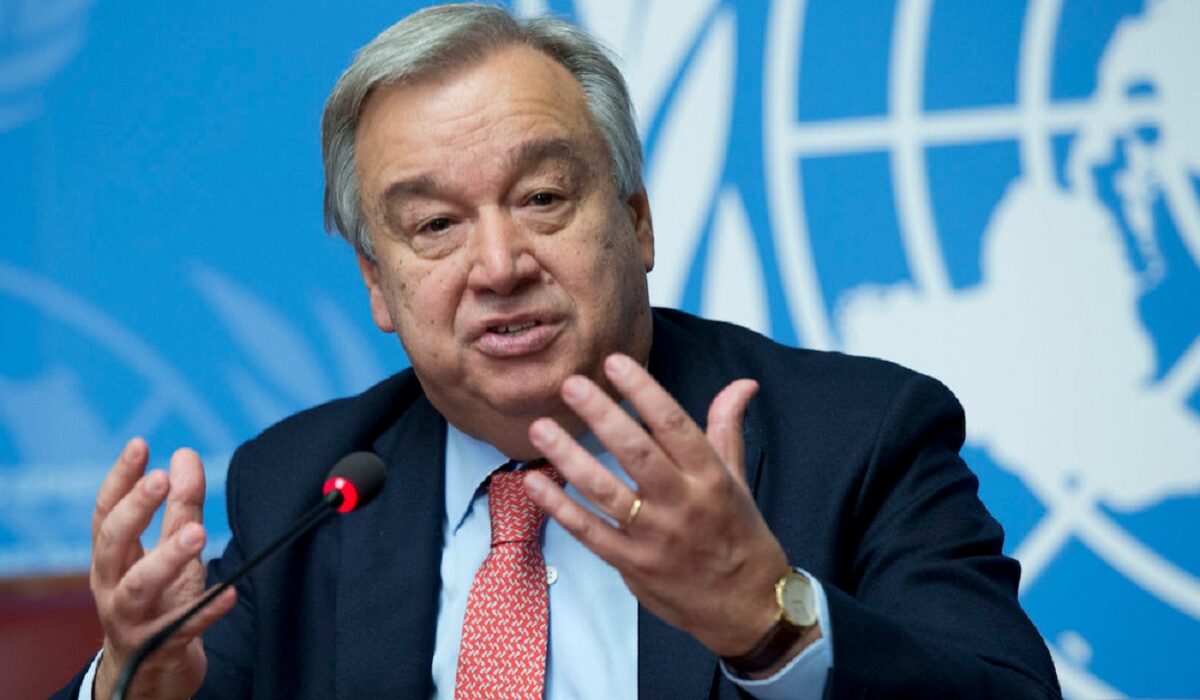
War enters Sixth Day, Friday, March 6th, 2026.
Military strikes and counter-strikes, continuing across the Middle East as the US and Israel wage war on Iran.
With the world economy at grave risk, ‘the situation could spiral beyond anyone’s control’ warned UN chief António Guterres. “It is time to stop the fighting and get to serious diplomatic negotiations,” he urged.
He added that the unlawful attacks by all sides are causing tremendous suffering for civilians across the whole Middle East region.
Source: UN


FCT develops disability policy document
Spread the loveBy Wumi Tewogbade, Abuja In order to protect people with disability in Abuja, the Federal Capital Territory Administration...


Senegal Appeals AFCON 2025 Title Stripping As Morocco Declared Champions
Spread the loveBy Felix Umande, Makurdi Senegal is set to appeal to the Court of Arbitration for Sport (CAS) after...

A Speech By His Majesty, Britain’s King, Charles III, during President Bola Tinubu and First Lady, Senator Oluremi Tinubu’s State Visit to the United Kingdom, on Wednesday, March 18, 2026.
Spread the loveYour Excellency, Mr President, and Distinguished First Lady, Ekabo. Se Daaa Daa Ni. (Greetings! I hope you are...

Benue Leads The Way in State Policing: A Model For Nigeria
Spread the loveBy Felix Umande, Makurdi Benue State is taking a bold step towards enhancing its security framework with the...

Court Adjourns Multiple Taxation Suit as FCT Private School Owners Drag Authorities to Court
Spread the loveBy Wumi Tewogbade, Abuja A Magistrates’ Court sitting in Wuse Zone 2, Abuja, on Wednesday adjourned to April...


Barack Obama Gave Iran the Money to Finance What President Trump is Now Dealing With – Husted
Spread the loveA member of the U.S. Senate Small Business Committee, John Husted, has argued that President Donald Trump is...
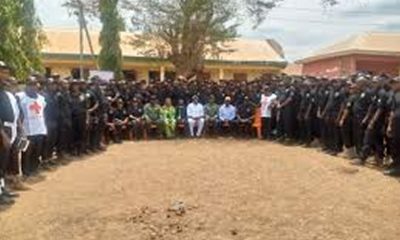

Kukah Center Partners Benue State Government, Train Personnel to Enhance Community Security
Spread the loveBy Felix Umande, Makurdi The Kukah Center, in partnership with the Benue State Government, has launched a special...

Funeral Programme released in respect of the Late Rtd Sgt Lawrence Liamngee Tachia
Spread the loveThe Funeral Programme in respect of the late Rtd Sgt Lawrence Liamngee Tachia has been released by the...


Experts call for increase in Tuberculosis services in Nigeria
Spread the loveBy Wumi Tewogbade, Abuja In January 2025, Mallam Mohammed, a hardworking farmer from Waste Local Government Area in...

At last, Ex-FCT Senator, Aduda dumps PDP
Spread the loveBy Wumi Tewogbade, Abuja Former senator representing the Federal Capital Territory (FCT), Sen. Philip Tanimu Aduda on Tuesday...