
General News
US Report Fingers 30,000 Fulani militants Perpetrators of Nigeria’s insecurity

By Isa Abdul, Abuja
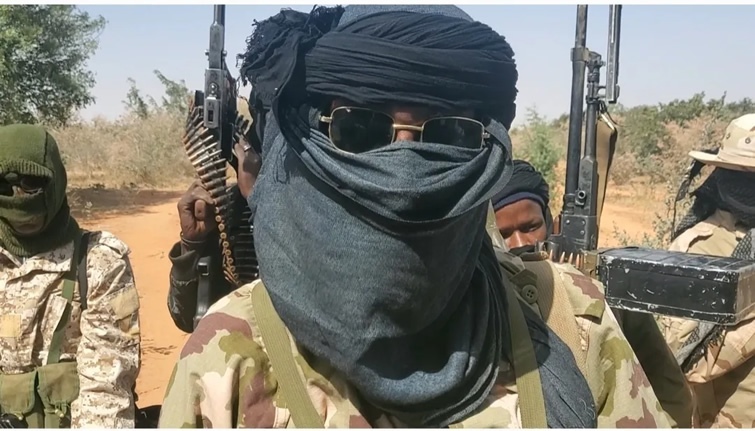
The United States Commission on International Religious Freedom in its May 2026 report says about 30,000 Fulani militants operating across Nigeria in groups ranging from 10 to 1,000 members are responsible for the insecurity in Nigeria.
The report states that the militants have become some of the deadliest non-state actors driving religious freedom violations in Nigeria.
The document entitled, “Nonstate Violators of Religious Freedom in Nigeria: Fulani Militants,” has this to say about armed actors of Fulani ethnic background’s intensified insecurity across the Middle Belt and Southern regions, leaving thousands dead, displacing communities and deepening tensions between religious groups:
“Violence by Fulani militants caused the highest number of deaths among all religious communities in Nigeria over the last year as compared to attacks by organised insurgent groups and criminal gangs.”
The commission said many of the attacks were directed at Christian communities, though Muslim communities had also suffered raids, killings and kidnappings.
According to the report, while the groups lack centralised leadership, USCIRF stated that some collaborate with criminal gangs and extremist organisations.
“These actors operate in a variety of contexts and with a multiplicity of likely aims and motivations.
“While many Fulani militant groups wage independent attacks, others periodically coordinate with a wide range of other actors, from conventional bandit gangs seeking financial enrichment to recognised terrorist organisations that espouse a violent interpretation of Islam.”
The commission noted the militants’ target and tactics as they frequently attack isolated rural communities at night using motorcycles, automatic weapons and machetes.
“They often wield machetes and descend on vulnerable communities during the night, eliciting terror as a way to force victims to quickly leave and to achieve greater control of desired land,” the report said.
USCIRF explained that attacks by Fulani militants and other armed groups had displaced at least 1.3 million people in the Middle Belt, forcing many into overcrowded camps lacking adequate sanitation and security.
The report detailed several attacks carried out in 2025 and early 2026, including mass killings in Benue and Plateau states.
“One attack in Benue in June 2025 killed at least 200 people, including internally displaced persons living in a Catholic mission,” the report said.
USCIRF also cited the massacre in Yelwata, Benue State, in 2025, where more than 200 Christians, “mostly sleeping women and children,” were reportedly killed and over 3,000 people displaced.
The commission said militants deliberately timed some attacks to coincide with Christian religious holidays.
“Militant actors have often carried out operations during Christian holidays such as Christmas or Easter to further maximise the psychological impact,” the report stated.
It added that in February 2026, suspected Fulani militants reportedly killed at least 32 people in Niger State and attacked Holy Trinity Parish in the Kafanchan Diocese of Kaduna State, killing three people and abducting 11 others, including parish priest Father Nathaniel Asuwaye.
The report also documented kidnappings targeting both churches and mosques.
“In February 2026, armed men kidnapped an imam and seven worshipers from a mosque in Plateau,” USCIRF stated, adding that the kidnappers demanded a ransom of N16m.
The commission said Palm Sunday and Easter attacks in April 2026 left dozens dead in Plateau, Kaduna and Benue states.
“On Easter Sunday, Fulani militants reportedly killed five worshippers at two churches in Kaduna State while abducting 31 others,” the report stated.
USCIRF said conflicting narratives surrounding the violence had complicated efforts to determine the motivations behind the attacks.
The commission highlighted, “Some observers have argued that environmental and economic factors are the driving force behind Fulani militants’ acts of violence, while others have suggested that these actors are engaged in a concerted campaign of outright genocide against non-Muslims, especially Christians.
“In fact, multiple and overlapping factors, including religion in many cases, likely spur Fulani militants to attack communities or individuals.”
The report criticised the federal and state authorities for what it described as inadequate responses to the violence.
“Victims have long reported that security forces are consistently slow to respond to attacks on their communities,” the commission added.
USCIRF further stated that some Christian advocates accused security agencies of showing favouritism toward Muslim communities during investigations and security operations.
The report noted that governors from 11 states launched an initiative in June 2025 to establish ranch lands for herders in a bid to reduce clashes over grazing routes and farmland.
At the federal level, USCIRF linked renewed Federal Government’s action to the October 2025 decision by the US President Donald Trump to designate Nigeria as a Country of Particular Concern over religious freedom violations.
Following the designation, President Bola Tinubu classified kidnappers and violent armed groups, including Fulani militants, as “terrorists” in December 2025, the commission stated.
The report said the security agencies rescued 309 hostages in January 2026 during operations in Kogi and Kwara states, arresting 129 suspected Fulani militants and killing 55 others.
USCIRF also highlighted growing scrutiny of the Miyetti Allah Cattle Breeders Association of Nigeria.
The organisation has faced allegations from Christian leaders that it failed to stop militant violence and land invasions. However, MACBAN denied supporting criminal activity.
“We do not support, condone, harbour, finance, or protect any form of criminality, extremism or violence,” the association said, according to the report.
USCIRF said the US Congress introduced the Nigeria Religious Freedom and Accountability Act of 2026 in February, proposing sanctions against MACBAN over allegations of involvement in severe religious freedom violations.
Despite recent security measures and peace initiatives, the commission warned that violence remained widespread.
“As a result, central Nigeria remains entrenched in an intense, daily, and seemingly perpetual crisis of insecurity,” the report concluded.
The commission added that the crisis was likely to continue “until the federal and several state governments create broader underlying conditions that are more conducive to the safe practice of religious freedom.”







By Felix Umande
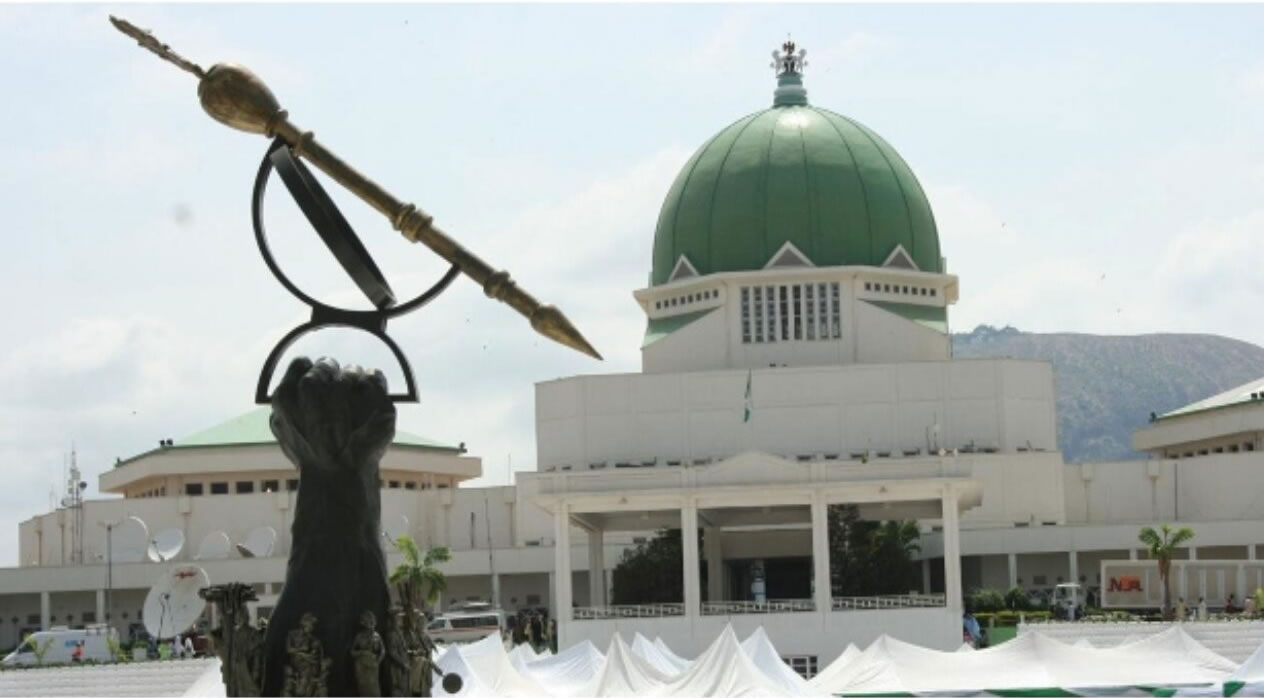
The House of Representatives has urged the Independent National Electoral Commission, INEC, to immediately comply with judgements of the Federal High Court, Makurdi Division, directing the restoration of Njiriv and Yonov State Constituencies in Gwer East Local Government Area of Benue State.
The resolution followed a motion moved by the member representing Gwer East/Gwer West Federal Constituency, Arc. Dr. Asema Achado, during plenary on Thursday, October 15, 2026, presided over by Speaker Rt. Hon. Dr. Tajudeen Abbas.
Presenting the motion, Achado cited judgements delivered on July 2 and July 7, 2026, on the restoration of Njiriv and Yonov constituencies and called on the House to compel INEC to give effect to the decisions and conduct elections in line with court orders and electoral laws.
He said restoring the constituencies would expand political participation, enhance access to legislative representation and strengthen democratic inclusion for people of Gwer East.
The motion warned that failure to implement the judgements could undermine the rule of law and the supremacy of the Constitution, particularly Section 1(1) and (3) of the 1999 Constitution as amended.
The House accordingly resolved that INEC should fully and immediately comply with the judgements in Suit Nos. FHC/MKD/CS/07/2026 and FHC/MKD/CS/235/2025 by conducting elections in the restored constituencies.
It mandated the Clerk of the House to transmit a certified true copy of the resolution to the Chairman of INEC, the Attorney-General of the Federation and the Governor of Benue State for necessary action.
The House also mandated its Committee on Electoral Matters to liaise with INEC to ensure full implementation and report back within four weeks for further legislative action.
By Felix Umande
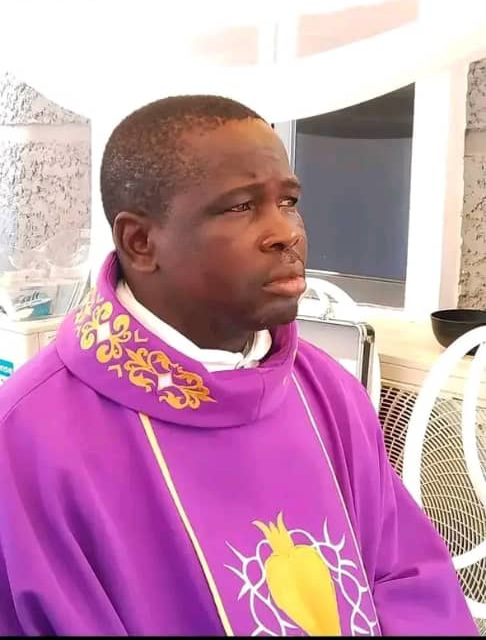
The Catholic Diocese of Otukpo has announced the kidnap of one of its priests, Rev. Fr. John Inalegwu Otache, with the police confirming a rescue operation is underway.
Fr. Otache, Parish Priest of St. Margaret’s Parish, Ajegbe-Awume, was abducted on Tuesday, October 13, 2026, while returning home from Otukpo along Otobi-Amejo–Ajegbe Road in Ohimini Local Government Area of Benue State.
In a statement, the Diocesan Chancellor, Rev. Fr. Joseph Aboyi Itodo, said Bishop Most Rev. Michael Ekwoyi Apochi was deeply pained by the development and has called for prayers for the priest’s quick and safe release.
“It is with great sadness that we write to notify you of the kidnap of one of our priests, Rev. Fr. John Inalegwu Otache… He was going home from Otukpo when he ran into the kidnappers,” Fr. Itodo said.
“We commend our brother, Fr. John, and all those in the kidnappers’ den throughout the country to the efficacious intercession of the Blessed Virgin Mary for their speedy and safe release,” he added.
Meanwhile, the Benue State Police Command confirmed the abduction on Friday in Makurdi.
Police Public Relations Officer, DSP Aondogu Orchia, said the command has commenced full investigation and efforts were ongoing to rescue the priest.
By Nick Ibe, Abuja
Timing has become a central issue in the yet-to-commence wage enhancement talks between the Federal Government and the Nigeria Labour Congress (NLC) as labour calls for nominations and immediate negotiations while government insists that June is the time to start the ball rolling for talks on the new wage suggesting the new wage starts when it was signed into law.
In other words, while labour wants the negotiations started to meet the June 1, 2026 date, government is looking at it with different lenses: counting three years from when the present wage bill was signed into law on July 29, 2024,
To labour, the interpretation of the National Minimum Wage Act, 2019, as amended in 2024, with the worsening cost-of-living crisis, has eroded the purchasing power of workers earning the N70,000 minimum wage.
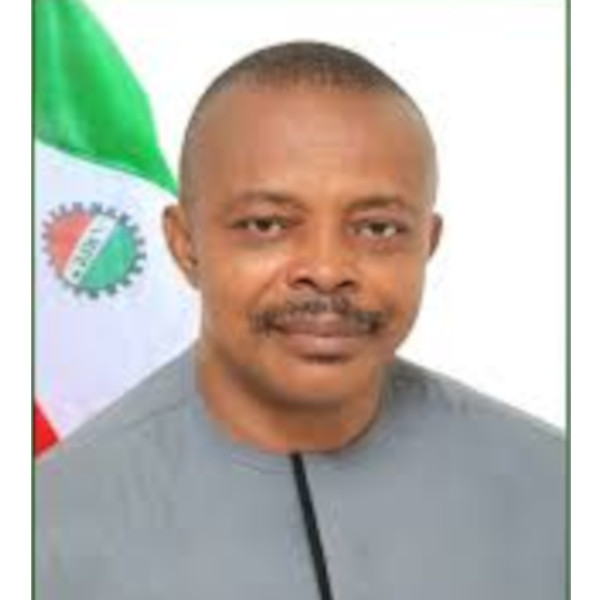
In a letter dated October 13, 2026, addressed to the Minister of Labour and Employment, Muhammad Dingyadi, and signed by its president, Joe Ajaero, NLC demanded the immediate commencement of the renegotiation process, including the call for nominations and inauguration of a tripartite committee.
The congress said, statutorily, negotiations should commence by October 17, 2026.
The demand followed the minister’s letter of October 12, 2026, rejecting labour’s call for an early review, arguing that commencing negotiations barely two years into the implementation of the present wage would be premature, inconsistent with the law and disruptive to the industrial relations system.
The October 12 letter by the NLC to the minister was the communiqué of its recent National Executive Council (NEC), where it made its demands to the Federal Government on the plight of Nigerian workers and the need for the government to take action.
The labour minister said the National Minimum Wage Act provided for a review every three years, adding that the N70,000 minimum wage would become due for review on June 1, 2027.
He noted that President Bola Tinubu assented to the present wage on July 29, 2024, following negotiations involving the Federal Government, organised labour and the organised private sector, resulting in an increase of more than 133 per cent from the previous N30,000.
The government also cited efforts to secure compliance with the existing wage by state governments and private employers, alongside interventions under the Presidential Compressed Natural Gas Initiative, food security measures and other social support programmes, as part of measures to address workers’ economic difficulties.
It maintained that the government remained committed to tripartism, decent work and workers’ welfare, assuring the NLC that a National Minimum Wage Tripartite Committee would be convened at the appropriate time.
The minister urged the congress to sustain constructive engagement with the government to preserve industrial peace and harmony.
However, NLC faulted the government’s interpretation of the law, arguing that preparations for negotiations should begin before the present wage framework expires.
It warned that postponing preparations until the existing framework expires could delay the outcome of negotiations and worsen the economic hardship facing workers.
The NLC also rejected the government’s reliance on the reported 133 per cent wage increase and its intervention programmes as evidence that workers were receiving meaningful relief.
According to the congress, the increase from N30,000 to N70,000 has since been eroded by the devaluation of the naira and rising living costs, which it attributed largely to the government’s macroeconomic policies, particularly increases in petrol prices.
It said workers were struggling to afford transportation, food, shelter, healthcare and education, arguing that the present wage was no longer sufficient to meet basic household needs.
The union further argued that the CNG initiative had been undermined by inadequate infrastructure and a shortage of promised gas and vehicle conversion kits, limiting its capacity to cushion the effect of higher transport costs.
Consequently, the NLC demanded immediate economic interventions, including implementation of the tax relief agreed upon in 2023, payment of wage awards to workers and a reduction in petrol prices to the level prevailing when the present minimum wage was signed into law in 2024.
It also urged the Federal Government to implement the settlement terms with the Joint Health Sector Unions (JOHESU) and address the demands of the Joint Public Sector Negotiating Council (JPSNC).
While acknowledging the Ministry of Labour’s prompt response to its earlier resolutions, the congress said an acknowledgement without concrete timelines and immediate relief measures amounted to rhetoric.
Labour urged government to act expeditiously, warning that continued delays in the minimum wage negotiation process and the absence of direct economic relief would deepen the hardship confronting Nigerian workers.

Reps Order INEC To Restore Two Benue Constituencies, Conduct Elections
Spread the loveBy Felix Umande The House of Representatives has urged the Independent National Electoral Commission, INEC, to immediately comply...

Gunmen Kidnap Catholic Priest In Benue, Police Launch Rescue
Spread the loveBy Felix Umande The Catholic Diocese of Otukpo has announced the kidnap of one of its priests, Rev....

October FAAC for FG, States, Local Councils Increases to N2.43tn
Spread the loveBy Isa Abdul, Abuja The Federation Account in October 2026, rose to N2.428tn representing an increase of N90bn,...

New Minimum Wage: FG, NLC Disagree Over Commencement Date
Spread the loveBy Nick Ibe, Abuja Timing has become a central issue in the yet-to-commence wage enhancement talks between the...

Sanusi: Food imports Harm Rice Mills, Bank Loans and Food Security
Spread the loveBy Seyi Balogun, Lagos The Emir of Kano, Muhammadu Sanusi, has called for an alternative approach to food...

Nasarawa State Government Urged to Clarify Requirements for Establishing Chiefdom
Spread the loveBy Isa Abdul The Nasarawa State government has been called to make public the legal requirements for the...


ASUU Tells Taraba Govt: TSU Not Nigeria’s Highest-paying Varsity
Spread the loveBy Michael Lim The claim that the Taraba State University is Nigeria’s highest-paying state university, has been dismissed...


Tinubu Sends Bill: Asks Senate to Approve National School of Government, Repeal ASCON
Spread the loveBy Son Tertsea, Abuja The Senate has received a bill from President Bola Tinubu asking it to approve...
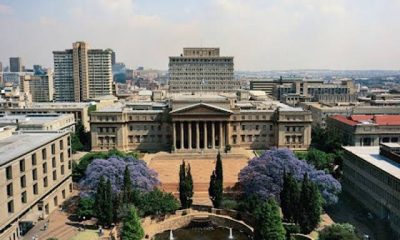

Africa’s Second-best University Signs Deal with World’s Largest Aircraft Manufacturer for Aerospace Students in South Africa
Spread the loveAirbus Southern Africa, the University of the Witwatersrand (Wits), one of Africa’s top universities, and the Institut Supérieur...


Nigeria’s 1996 Olympic Gold: Jo Bonfrere Claims He’s Still Waiting for Gold Medal, Other Rewards
Spread the loveBy Nick Ibe, Abuja 30 years after guiding Nigeria to victory in the men’s football event at the...