
General News
Akpabio urges Senators to prioritize laws to drive growth

By Saint Mugaga
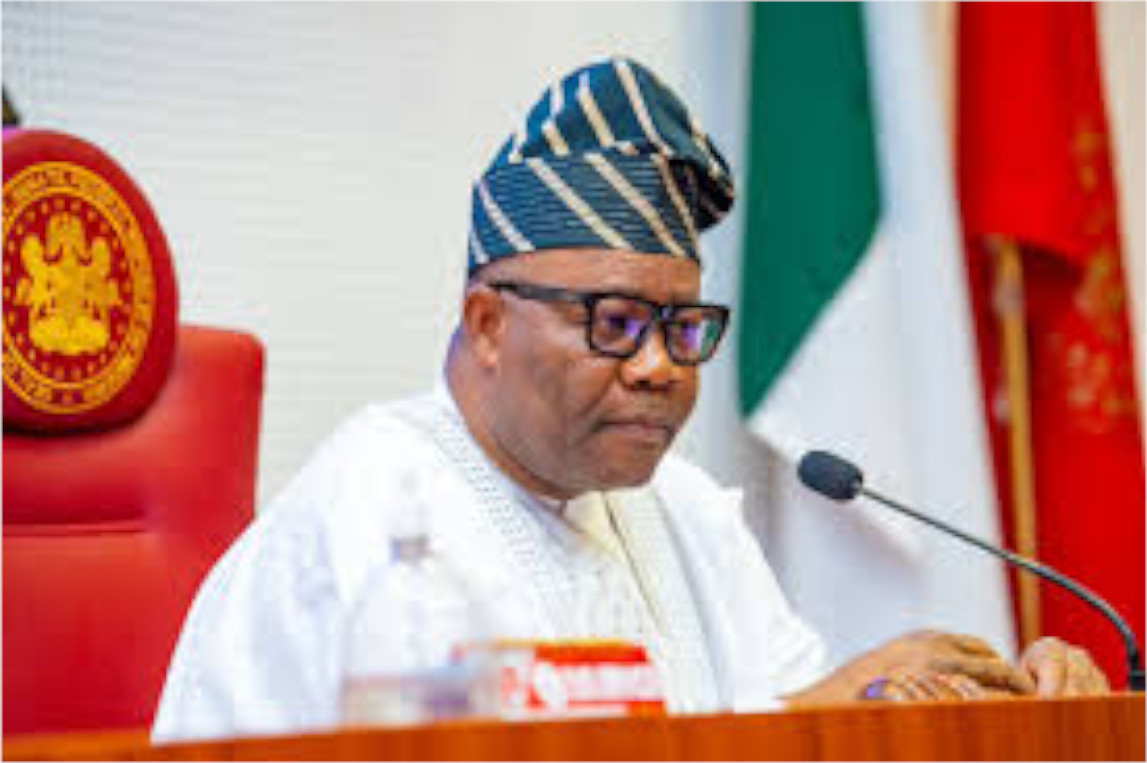
The President of the Senate, Senator Godswill Akpabio, on Tuesday, urged Senators to intensify their efforts in making laws that would boost the country’s socio-economic well-being in the final stretch of the Tenth Senate.
He made the call in his welcome address at the resumed plenary sitting after the Christmas and New Year recess.
The Senate President said in order to achieve socio-economic well-being for the country in the last lap of the Tenth Assembly, the lawmakers should to prioritize laws that drive growth, strengthen institutions and secure the lives and property of the citizens.
Meanwhile, the Senate Leader, Senator Opeyemi Bamidele, had drawn the attention of the lawmakers to the demise of their colleague, the late Senator Godiya Akwashiki, describing his passing as a “profound loss” to the institution and the country.
Recall that Akwashiki, who represented Nasarawa North Senatorial District on the platform of the Social Democratic Party (SDP), died on December 31, 2025 in an Indian hospital, after a protracted illness.
In compliance with the Senate Standing Orders and Rules, a minute of silence was observed in honour of the departed Senator while Akpabio extended condolences to Akwashiki’s family, friends, constituents and the people of Nasarawa State.
The President of the Senate highlighted the nation’s security challenges, commending the military’s collaboration with the United States in the fight against terrorism and assuring Nigerians that the menace of insecurity would soon end.
He extended sympathies to families who lost loved ones to insecurity, stressing that “security is not an abstract concept—it is about lives, homes, and futures that must be protected.”
Akpabio said the sobering reality of the warning by the United Nations that 35 million Nigerians might face hunger this year, demands a doubling of effort from the Senate.
The Senate will focus on passing laws that “unlock growth, strengthen institutions, secure lives and property, and restore confidence in the Nigerian state,” Akpabio said.
Akpabio called on politicians to prioritize Nigeria’s unity and stability as the political season approaches, urging them to be guided by “conscience, civility, and patriotism,” saying Nigeria’s unity must not be a casualty of ambition.
Akpabio called on Nigerians to continue praying for citizens in captivity and to support the Renewed Hope Programme, stressing that the final phase of the Tenth Senate must be “deliberately reform-driven”.
On the 2026 Appropriation Bill, Akpabio said: “The Senate will scrutinize the budget with “decisive action—rigorous scrutiny, responsible passage, and faithful implementation”.
He stressed that the Senate’s legacy was at stake, saying “history will not judge us by volume, but by value; not by noise, but by impact.”
Concluding his speech, the President of the Senate noted said: “Let it be said that when the Tenth Senate reached the final stretch, it did not slow down, it did not look away, and it did not leave the work unfinished.”


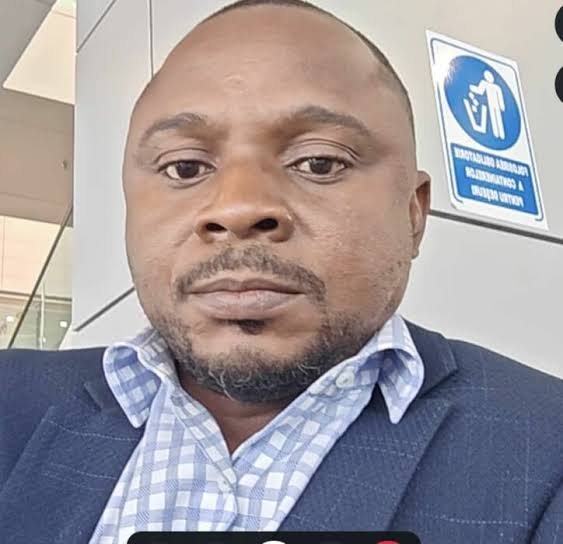
The Group Managing Director of Leadership Newspapers, Muazu Elazeh, has urged Media organisations across Africa to diversify their revenue streams to reduce dependence on digital platforms and algorithms that increasingly influence news distribution.
Elazeh made the call during an interview on LEADERSHIP TV’s Digital Newsroom on Monday, which focused on digital transition and election coverage in Africa.
He argued that excessive dependence on algorithms could leave media organisations vulnerable to the influence of external platforms and individuals who control the flow of information.
He stressed the need for media organisations to develop multiple revenue streams to maintain their independence and retain control over the information they produce and distribute.
In his view, diversifying revenue streams would help news organisations avoid relying heavily on digital platforms’ decisions and algorithms to determine what information reaches their audiences.
He also cautioned against allowing individuals or entities outside the media to dictate the kind of information news organisations publish and distribute.
His position highlights the growing challenges facing African media organisations as they navigate digital transformation, particularly the need to balance technological innovation with financial sustainability and editorial independence.
By Isa Abdul, Abuja
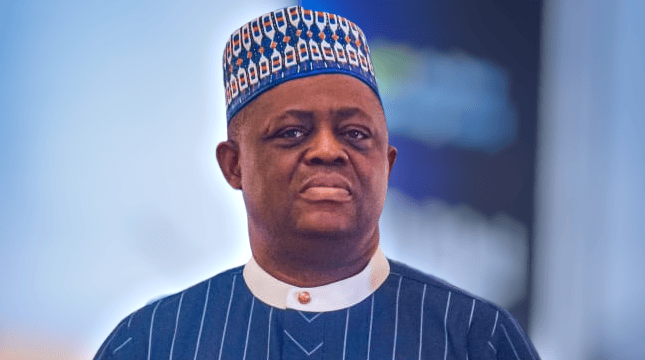
Worries have been raised over unexplained deaths of Nigerians, alleged wrongful conduct of some South African security personnel and recurring anti-Nigerian sentiments, by Femi Fani-Kayode, the Nigerian Ambassador to South Africa, stressing that protecting Nigerians abroad remains a priority of his diplomatic mission and the Foreign Ministry.
This was contained in a statement he issued on Monday, in which he called for stronger bilateral cooperation between Nigeria and South Africa, saying the relations between the two countries was critical to Africa’s economic integration, political stability and development.
This is coming at a time when no fewer than 12 Nigerians have been killed in South Africa in 2026, as a result of Anti-Migrant protests, alleged police brutality and Nigeriaphobic attacks.
Fani-Kayode said Nigerian government remained committed to strengthening diplomatic and economic relations with South Africa, but it would not overlook issues affecting the safety, dignity and welfare of Nigerians living in the country.
“The future of Africa is closely tied to the relationship between Nigeria and South Africa. If these two countries fail to work together, it could have significant implications for the continent’s progress,” he stressed.
He noted that since assuming office, he had consistently advocated dialogue, mutual respect and stronger bilateral ties between both countries.
However, he said the cordial relationship between the two governments should not prevent Nigeria from raising concerns over the treatment of its citizens.
“As ambassador, I would be failing in my responsibility if I did not raise concerns about the treatment of Nigerians in South Africa,” he said.
Among the issues he identified were unresolved cases involving the deaths of Nigerians, reports of misconduct by some security personnel and recurring anti-Nigerian rhetoric by certain groups.
The envoy also faulted attempts to portray Nigerians living in South Africa as criminals, arguing that such generalisations unfairly undermine the contributions of thousands of law-abiding citizens.
“Thousands of Nigerians in South Africa are law-abiding professionals, including doctors, lawyers, academics and entrepreneurs. A small minority engaged in wrongdoing should not be used to define an entire community,” he said.
Fani-Kayode maintained that the anti-Nigerian sentiments expressed by some organisations should not be interpreted as representing the position of the majority of South Africans.
He nevertheless described such rhetoric as troubling, urging both countries to address tensions through sustained engagement, dialogue and mutual understanding.
The ambassador also commended Nigerian community organisations in South Africa for their contributions to protecting the interests and welfare of citizens living in the country.
He said their engagement had helped ensure that the concerns of Nigerians received greater attention and representation.
“Many Nigerians believe that their concerns are finally being heard and represented. I remain committed to speaking on their behalf and standing up for their interests,” he said.
Fani-Kayode further encouraged Nigerian investors and business owners operating in South Africa to sustain their investments and expand their enterprises, while supporting fellow Nigerians facing difficulties.
Reaffirming his commitment to defending Nigeria’s interests, he said: “Wherever Nigeria’s dignity is challenged or undermined, I will not hesitate to speak out and defend the green-white-green.”

By Felix Umande
Two days of intensive peace talks in Abuja have rekindled hope for lasting unity within the Benue State chapter of the All Progressives Congress (APC), as warring leaders sat together to chart a new course for the party.
The breakthrough began on Saturday, November 21, 2026, when the North Central Presidential Reconciliation Committee, chaired by former Katsina State Governor, Senator Ibrahim Shehu Shema, hosted prominent Benue APC stakeholders at the chairman’s private office.
The two-hour session brought together Governor Hyacinth Alia, Secretary to the Government of the Federation, Senator George Akume, former Governor Gabriel Torwua Suswam, Senator Barnabas Gemade, Senator Jack Gyado and Hon. Elder Shango.
The momentum continued on Sunday, when Senator Akume convened another high-level, closed-door meeting with key party leaders as part of renewed efforts to reconcile factions and strengthen cohesion in Benue State.
Governor Alia, Senator Suswam, Senator Gyado, Senator Gemade and other prominent leaders were again in attendance.
Both meetings focused on resolving internal differences, rebuilding trust among party leaders and forging a common front ahead of future political engagements.
Sources at the meetings described the atmosphere as cordial and constructive, with all parties expressing commitment to peace, unity and the collective interest of the APC in Benue State.
The back-to-back engagements may be a major step towards ending lingering divisions within the Benue APC and repositioning the party as a united and formidable force in the state and at the national level.
Stakeholders expressed optimism that the reconciliation efforts would usher in a new era of stability, cooperation and progress for the party in Benue State.


The Imperative of Multiple Media Revenue Sources – Elazeh
Spread the loveThe Group Managing Director of Leadership Newspapers, Muazu Elazeh, has urged Media organisations across Africa to diversify their...

Why Nigeria’s Rice Revolution Falls With 90 Mills Shutdown Across States
Spread the loveNigeria’s much-celebrated rice revolution is facing a major reversal, with more than 90 out of the country’s 260...


FG to Review Electricity Tariff Model Without Cost Hikes
Spread the loveBy Nick Ibe, Abuja Nigeria’s electricity tariff model is being reviewed but the tariff increase ruled out in...
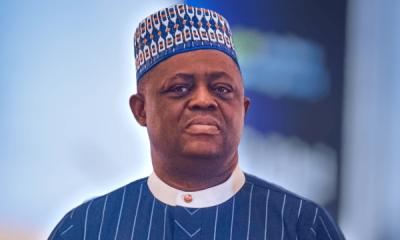

Fani-Kayode Raises the Alarm over Attacks on Nigerians in South Africa
Spread the loveBy Isa Abdul, Abuja Worries have been raised over unexplained deaths of Nigerians, alleged wrongful conduct of some...


Will BENUE APC See Peace At Last, After Two Days Of Peace Talks?
Spread the loveBy Felix Umande Two days of intensive peace talks in Abuja have rekindled hope for lasting unity within...


60 Tertiary Institutions to Benefit from FG’s CNG Facilities
Spread the loveBy Nick Ibe, Abuja 60 tertiary institutions are to benefit from reduced transportation costs for students and improve...
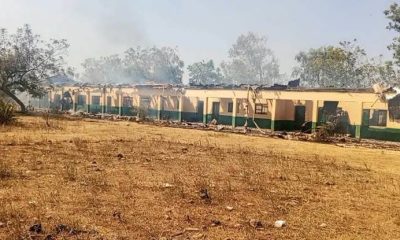

Plateau School Burnt Down By Suspected Bandits
Spread the loveBy Michael Lim, Jos Suspected bandits are alleged to have burnt down the Government Secondary School, Masharkut, in...


Tinubu Commits ₦450bn To Farmers, Approves ₦1.5trn Bank Of Agriculture Recapitalisation
Spread the loveBy Felix Umande President Bola Tinubu’s administration has committed ₦450 billion to agricultural financing programmes to strengthen food...

NAFDAC Destroys ₦100 Billion Worth of Fake, Expired and Other Violative Products in Ogun State
Spread the loveBy Seyi Balogun, Lagos Falsified, expired, banned, substandard and other violative regulated products worth about ₦100 billion have...
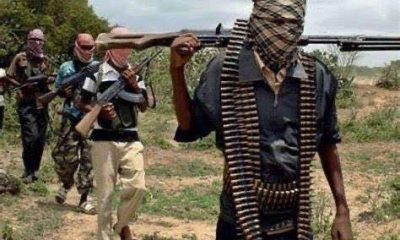

Niger State: Terrorists Kill Village Head, Wife, Worshippers, Burn Down Palace
Spread the loveBy Isa Abdul, Abuja Terrorists have attacked Lumman-Ba’are community, killed the village head, his wife and other Worshippers...