
Health
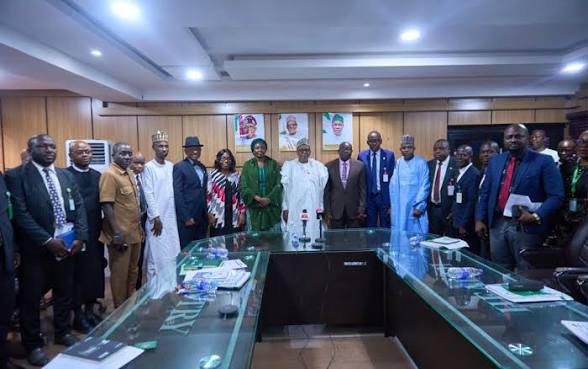
To Protect Health Investments: FG Inaugurates Joint Task Team

–ICPC member
By Son Tertsegha, Abuja
In its bid to enforce preventive controls and protect investments in Nigeria’s health sector, the Federal Government has inaugurated a Joint Task Team comprising staff of the Federal Ministry of Health and Social Welfare and the Independent Corrupt Practices and Other Related Offences Commission (ICPC).
According to Ado Bako Assistant Director, Information and Public Relations, of the Health ministry in a press release on Monday, 17th August, 2026, the Coordinating Minister of Health and Social Welfare, Prof. Muhammad Ali Pate said the initiative is a deliberate shift from the old practice of responding to wrongdoing after it had occurred to one of identifying vulnerabilities early, closing loopholes and strengthening systems before public resources are lost. The statement said:
“Every naira invested in our health system carries an obligation: to reach the facility, the health worker, and the Nigerian whose life depends on it. When those resources are diverted, the cost is not abstract. It is a medicine that never arrives, equipment that is unavailable when needed, or a service that falls short. In this sector, corruption can cost lives.”
Prof. Pate sees the Joint Task Team as “an instrument for institutional change”, whose mandate is centred on identifying institutional vulnerabilities, strengthening preventive controls and improving oversight across the health sector.
Under BHCPF 2.0, the Federal Government has deployed 774 Performance and Financial Management Officers, one to every Local Government Area, to independently verify the receipt and utilisation of funds. Verified National Identification Numbers are also being used to strengthen beneficiary authentication and reduce duplication, while digitalisation is improving transparency and traceability.
The Task Team builds on the Federal Government’s Red Letter of October 2025, which called on communities and ward health committees to track whether BHCPF funds reach their facilities. The Joint Task Team now adds structured institutional oversight to that citizen vigilance.
The Joint Task Team will conduct assessments following each quarterly disbursement of the Basic Health Care Provision Fund, with the BHCPF Secretariat serving as its Secretariat. The Team is co-chaired by the Director of Hospital Services, representing the Ministry, and a Director of the ICPC, with membership drawn from relevant supervising offices and departments. The Memorandum of Understanding runs for two years, subject to renewal.
The Permanent Secretary, Federal Ministry of Health and Social Welfare, Daju Kachollom S. mni, said protecting health-sector resources is fundamental to the Ministry’s mandate to save lives, reduce the physical and financial pain of ill-health, and produce health for all Nigerians. In her words:
“This is a Team designed to be embedded in how the Ministry already works, not to sit outside it.”
The Chairman of the ICPC, Dr. Musa Adamu Aliyu, represented by the Executive Secretary of the Commission, Mr. Clifford Oparaodu, said the partnership strengthens preventive oversight of health-sector resources, particularly the BHCPF.
“Corruption in the health sector is not measured only in financial losses or accounting irregularities. The losses are measured in maternal and infant mortality rates, rates of immunisation, mortality from preventable diseases, easy and affordable access to medical care at all levels.”
The Coordinating Minister, alongside the Chairman of the ICPC, formally inaugurated the Joint Task Team.


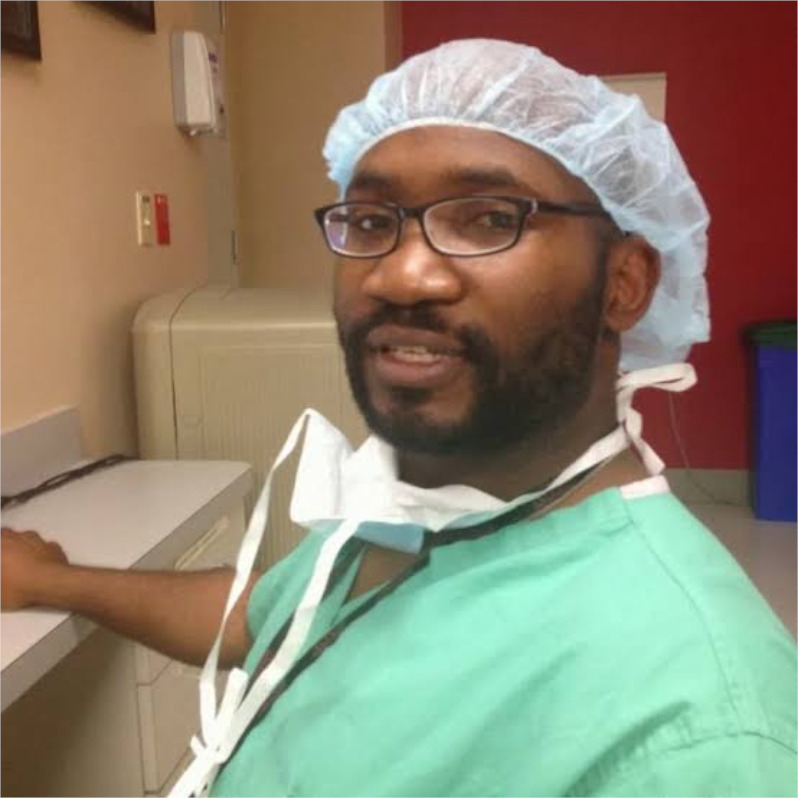
The Professor of urology and transplant surgery has been involved in pioneering robotic surgical programmes in Nigeria and West Africa.
Professor Obi Davies-Ekwenna is the Managing Director of Robo Medics and founder and Chief Executive Officer of RoboMed Global Inc.
Davies-Ekwenna led the team that performed Nigeria’s first tele-robotic surgery, remotely operating on a patient in Abuja from Redeemer’s Health Village in Mowe, Ogun State.
The landmark procedure, announced on Saturday, involved a robot-assisted right radical nephrectomy to remove a kidney affected by a cancerous tumour.
Davies-Ekwenna performed the operation from a Toumai robotic surgical console at Redeemers Health Village, RHV, while the patient remained at Nisa Premier Hospital in Abuja.
The surgical robot at the Abuja hospital was connected to the robotic control system at RHV through an internet connection, allowing the surgeon to operate on the patient remotely.
Robotic surgeon who led the procedure, Prof. Obi Davies-Ekwenna, during Nigeria’s first tele-robotic surgery
The procedure was carried out in real time, with Davies-Ekwenna’s movements transmitted to the robotic system at the Abuja hospital.
Following the surgery, Davies-Ekwenna said the development demonstrated how tele-robotic technology could help overcome geographical barriers to specialist healthcare.
“We were able to operate on a patient in Abuja, 500 kilometres away. We were able to operate on a patient with a kidney tumour, a cancer tumour. And so that was successful,” he said.
He added that the technology could expand access to specialist expertise beyond the location of the surgeon.
“It means access to experts from within and outside the country. Telesurgery can be done from any part of the world with precision, with excellent results,” the robotic surgeon said.
Robotic surgeon who led the procedure, Prof. Obi Davies-Ekwenna, during Nigeria’s first tele-robotic surgery
In a video shared by Redeemer’s Health Village on its Instagram page on Sunday, Davies-Ekwenna was seen thanking members of the medical teams in Abuja, Lagos and Ogun State after the procedure was completed.
He was also cheered by members of the team at the hospital following the successful operation.
Things to know about Obi Davies-Ekwenna
He is a professor and robotic surgeon
Davies-Ekwenna is a Professor of Urology and Transplant Surgery and a robotic surgeon. He is also the founder and Chief Executive Officer of RoboMed Global Inc. and the Managing Director of Robo Medics.
He is a professor at the University of Toledo
He is a Professor and Vice-Chair in the Department of Urology at the University of Toledo in Ohio, United States, where he also serves as Associate Director of the Urology Residency Programme.
Before becoming a professor, Davies-Ekwenna worked as an Assistant Professor of Urology and Transplantation and later as an Associate Professor.
Professor Obi Davies-Ekwenna, the Managing Director of Robo Medics…Photo Credit: YT/ Obi Ekwenna
He has been involved in robotic surgery programmes
Davies-Ekwenna has been involved in the development of robotic surgical programmes in Nigeria and West Africa, including the tele-robotic procedure that connected the medical team in Ogun State with a patient in Abuja.
He trained in urology and transplantation
His professional training includes an abdominal transplantation fellowship at the University of Miami, where he also completed his urology residency.
He obtained his medical degree from the University of Illinois College of Medicine after earning a bachelor’s degree in Biochemistry and Molecular Biology from the University of California, Berkeley.
Professor Obi Davies-Ekwenna, the Managing Director of Robo Medics
He holds professional certifications
Davies-Ekwenna is a Fellow of the American College of Surgeons and a Diplomate of the American Board of Urology.
The surgery
The procedure was a collaboration between Redeemer’s Health Village, RoboMed Global and Nisa Premier Hospital, Abuja.
Tele-robotic surgery, also known as remote surgery, allows a surgeon to operate on a patient from another location using robotic equipment and telecommunications technology.
In the Nigerian procedure, the patient was in Abuja while Davies-Ekwenna controlled the surgical robot from the RHV facility in Ogun State. Medical teams were present at both locations to support the procedure.
The operation marked a new stage in the country’s use of robotic surgery, following the development of RHV’s robotic surgery programme.
Davies-Ekwenna said the achievement was not only about completing one operation but also about developing the capacity to provide advanced surgical care to patients regardless of where they live.
He said the initiative could allow specialists in Nigeria and abroad to provide expertise to patients without requiring them to travel long distances or outside the country.
What next?
Following the successful operation, Davies-Ekwenna said continuous training would be important to sustain the technology.
He disclosed plans for a robotic academy that would train surgeons and other medical professionals, with a target of training at least 150 surgeons within two years.
The procedure brought together medical teams in Ogun and Abuja, with the robotic system enabling Davies-Ekwenna to perform the surgery remotely.
The successful operation could mark a significant development in the use of tele-robotic technology to expand access to specialist surgical care in Nigeria.
Health
Foreign Medical Tourism to Drop as Nigeria Records First Tele-robotic Surgery Success in West Africa
By Son Tertsea
Nigeria’s first tele-robotic surgery on September 20, 2026 at the Redeemer’s Health Village (RHV), in collaboration with RoboMed Global and Nisa Premier Hospital, performed could be the opening of a new chapter in Nigeria’s medical tourism.
The News Agency of Nigeria (NAN) reports that the surgery was performed in real time on Saturday from a Toumai console at RHV on a patient at Nisa Premier Hospital, Abuja.
The procedure was a telesurgery-assisted, robot-assisted right radical nephrectomy performed to remove a kidney affected by a cancerous tumour.
According to specialists, Tele-robotic surgery, also known as remote surgery, is a technique that enables a surgeon to perform an operation on a patient from a completely different physical location.
Speaking after the surgery at RHV, Prof. Obi Ekwenna-Davis, Professor of Urology and Transplantation, who led the surgery, explained the medical condition of the patient.
He said the procedure demonstrated that telesurgery could be safely performed on patients in different parts of Nigeria and the world.
Ekwenna-Davis, Co-Founder of RoboMed Global, said the development was a significant achievement for RHV and its partners.
“Distance should never decide who receives safe surgery; this is what safe and trusted surgery looks like,” he said.
The U.S.-based surgeon said the patient was in good condition and expected to be discharged within 24 hours.
He said the procedure lasted about three hours, with brief stoppages to ensure that the equipment and systems functioned properly.
Ekwenna-Davis said the collaboration was significant as it marked the first time two hospitals in different parts of Nigeria successfully collaborated to provide surgical care to a patient.
He maintained that sustainability of the initiative would depend on continuous training, adding that a robotic academy would soon be established to train surgeons and other medical professionals.
According to him, the academy aims to train at least 150 surgeons within the next two years.
Ekwenna-Davis said the programme had the support of the Minister of Health and other government institutions, while calling for additional support from private and non-governmental organisations.
Dr Adedamola Dada, Chief Executive Officer, RHV, added that the development marked the first telesurgery in West Africa.
Dada said RHV was established to promote innovation and provide world-class healthcare services at affordable costs.
“What has happened today is a demonstration that Nigerians can access modern healthcare without travelling abroad,” he said.
He said the initiative was not primarily profit-driven but aimed at demonstrating what modern healthcare could offer Nigerians, in line with the vision of the General Overseer of the Redeemed Christian Church of God.
Dada said the achievement had positioned the hospital as a gateway through which specialist skills could be applied on patients across Nigeria.
He said the introduction of robotic surgery and telesurgery at RHV was aimed at reducing medical tourism and improving access to complex surgical procedures within the country.
The CEO said measures had been put in place to address possible connectivity challenges through the use of reliable networks.
He explained that weather conditions could sometimes affect connectivity, while the quality of equipment and availability of skilled personnel were also critical to the success of telesurgery.
Dada said the hospital was establishing a robotic academy in collaboration with RoboMed Global to train doctors, surgeons, nurses, biomedical engineers and product specialists.
He urged the government to support and sponsor medical professionals interested in acquiring robotic surgery skills.
“My message to government is to support and sponsor Nigerians, the surgeons, the nurses, the biomedical engineers who would want to come and do this training here.
“They can award scholarships to them so that within two to three years, Nigeria will have a lot of professionals who are capable of performing robotic surgery,” he said.
Dr Ibrahim Wada, Chief Executive Officer and Founder, Nisa Premier Hospital, said the facility had been a centre for robotic surgery in West Africa since November 2025.
“Today, our patient received specialist surgical expertise from across the country without leaving Abuja. This is what becomes possible when Nigerian institutions decide to build together,” Wada said.
Also, Dr Kunle Onakoya, Chairman, Board of RHV, described the development as historic and urged participants to recognise their roles in creating a milestone for Nigeria.
NAN reports that RHV, a faith-based 300-bed multispecialty hospital established by the Redeemed Christian Church of God, played a key role in attaining the medical feat.
Health
Pig kidneys Successfully Transplanted into Humans:Trial in US offers hope for solving organ shortage
Organs grown in animals for use in humans are beginning to build up a record of clinical success after decades of unfulfilled promise, offering hope for the future of transplants.
Five patients at Massachusetts General Hospital in the US have undergone successful transplants with animal organs — a process known as xenotransplantation — since March 2024 after the pig kidneys they received were genetically engineered to avoid rejection, US biotech company eGenesis said. In three of them, the porcine organs worked for more than eight months without rejection or the need for dialysis.
“The organ shortage is the greatest crisis we have right now in transplantation,” said Leonardo Riella, director of kidney transplantation at Mass General, who led the eGenesis clinical trials.
“It’s amazing to see the progress,” said Mike Curtis, chief executive of eGenesis. “Our goal is to make transplantation available to patients when they need it, without being constrained by the limited supply of human donor organs.”
Surgeon Alban Longchamp prepares a pig kidney with the surgical team before transplantation at Massachusetts General Hospital © Kate Flock/Massachusetts General Hospital
The animal organs would initially be used “as a bridge to get patients off dialysis while they wait for a human donor kidney,” said Riella, adding that it could eventually be used “as a destination therapy in its own right” if the trials “establish long-term safety and durability”.
The kidneys were grown in Yucatan miniature pigs whose organs are similar in size to their human counterparts. They were genetically engineered to remove three pig proteins that are most likely to lead to immune rejection and add seven human genes to improve compatibility with the patient. In addition, the porcine DNA was manipulated to inactivate viruses that might infect the recipient.
One patient, Tim Andrews, whose case was described in The Lancet journal on Thursday, lived with a pig kidney, which he received aged 66, for almost nine months without needing dialysis until the transplanted organ began to fail, though there were no signs of immune rejection. He then received a kidney from a deceased human donor.
Subsequent tests showed that living with the pig kidney had not made it harder for the human transplant to work successfully.
Tim Andrews leaves Massachusetts General Hospital a week after his xenotransplant operation © Kate Flock/Massachusetts General Hospital.
Curtis said the US Food and Drug Administration had authorised an expanded clinical trial of eGenesis pig kidneys in 33 patients with renal failure to start early next year in up to 10 US transplant centres, with the aim of achieving marketing approval by the end of 2029. The company is also collaborating with a Japanese partner, PorMedTec, to start kidney xenografts in Japan in 2028, he added.
David Crosby, chief research officer at the renal charity Kidney Research UK, said the breakthrough was “an exciting prospect” but he warned that further research was needed to determine whether the approach was “safer and better” for patients than spending years on dialysis while they waited for a transplant.
Xenotransplantation has been through cycles of hope and disappointment since serious research on the area started in the 1980s. But recent progress in animal cloning, genetic manipulation and immunology now promises to transform the field.
Public squeamishness and ethical objections to breeding animals for organ transplants had also diminished, said Curtis, who argued that the moral arguments against xenotransplants were “hard to sustain . . . when you look at the outcomes for our patients”.
For a long time, xeno research focused on heart transplants, but now kidneys are leading the way to clinical approval. “A big advantage of the kidney is that if the transplant fails we can safely return the patient to dialysis,” said Curtis. “If the transplanted heart fails, there’s not much you can do.”
However, eGenesis and another leading US xenotransplant company, United Therapeutics, are working with hearts as well as kidneys. The FDA has approved a small xenoheart trial led by United Therapeutics.
The Financial Times Limited 2026.



100 Days To 2027 Polls: INEC Vows Neutrality, Says BVAS, Ballots Ready
Spread the loveBy Felix Umande The Independent National Electoral Commission, INEC, has assured Nigerians and the international community of its...


THE LAST TANGO: Tears, Tributes and A Final Goal As Messi Bows Out After 21 Years
Spread the loveBy Felix Umande Emotions ran high at the Estadio Monumental on Tuesday night as Lionel Messi signed off...


Church’s Duty to Empower Individuals, Create Opportunities and Improve Family’s Economic Well-being
Spread the loveBy Seyi Balogun, Lagos The need for the Church’s commitment to empowering its members through employment opportunities, entrepreneurship...
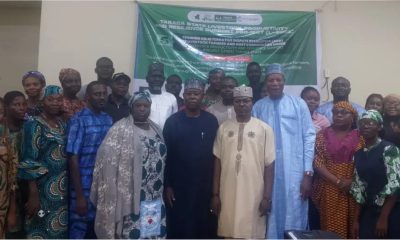

Taraba Explores ADR for Sustainable Peace Between Crop, Livestock Farmers
Spread the loveBy Michael Lim Conflict prevention between livestock farmers and host communities in Taraba State through the promotion of...
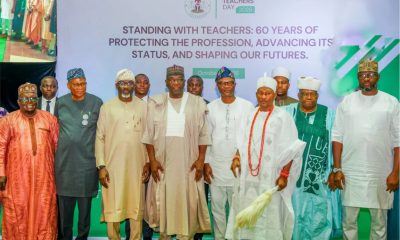

Financial Inclusion: Kwara Buys Dangote Refinery Shares For Female Teachers
Spread the loveBy Michael Lim Kwara State Government has announced plans to buy shares in the Dangote Refinery Initial Public...

Benue Govt Gives 2-Week Ultimatum To Owners Of Illegal Billboards, Threatens Mass Removal
Spread the loveBy Felix Umande The Benue State Government has decried the arbitrary erection of billboards across the state by...


INEC Tracking Illegal Campaign Spending
Spread the love–Tells Editors: “remain primary filter against information disorder.” By Son Tertsea, Abuja The Independent National Electoral Commission (INEC)...
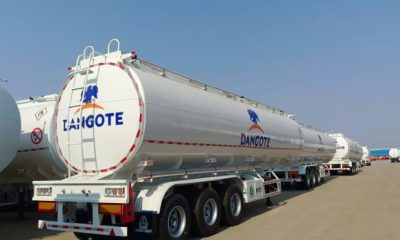

Importers, Petroleum Marketers Kick Against Dangote’s Restriction of Petrol Sales
Spread the loveBy Seyi Balogun Major marketers have kicked against Dangote Petroleum Refinery’s non sale of Premium Motor Spirit (petrol)...
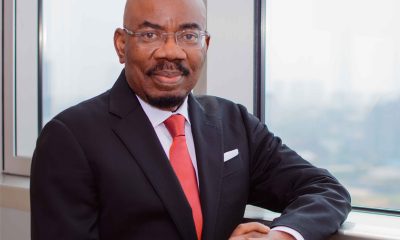

Jim Ovia Counsels: Nigeria must not Sacrifice Quality for Quantity in Tertiary Education
Spread the loveBy Seyi Balogun, Lagos Nigeria must not allow the size and the number of universities to come at...


Unidentified, Mutilated Corpse of Man Found Behind Pankshin Market in Plateau
Spread the loveBy Michael Lim, Jos On Tuesday morning, the corpse of an unidentified man was found behind the Monday...