
Education
Miva University Appoints Cross River-Born EFCC Officer Professor of Practice

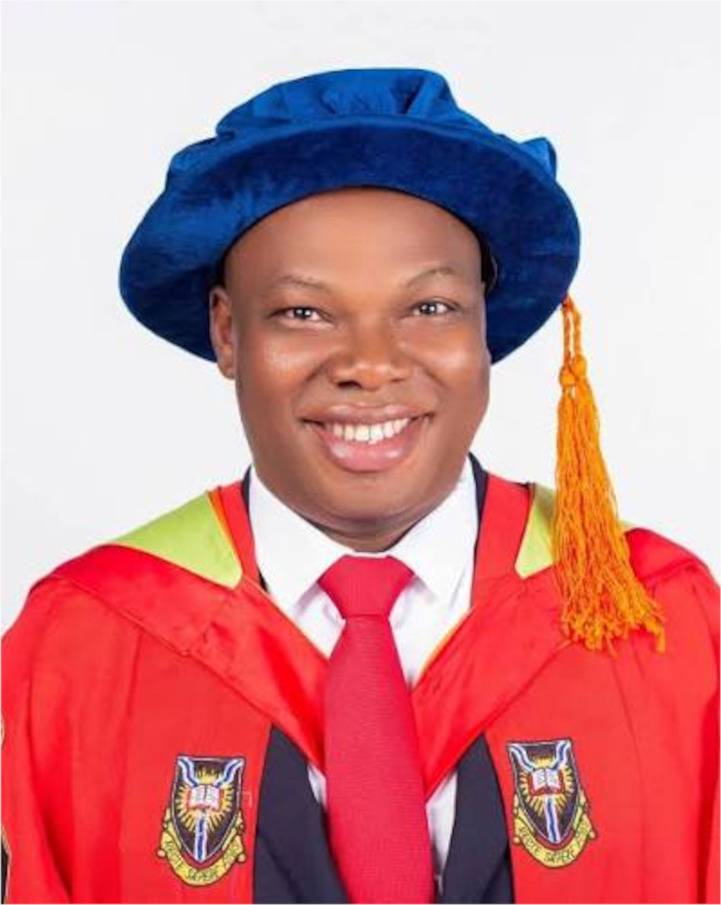
Dr David Olom Nkpe, Assistant Commander of the Economic and Financial Crimes Commission (EFCC), has been appointed as Professor of Practice in Criminology and Security Studies by Miva Open University.
The three-year appointment, effective September 1, 2026, to August 31, 2029, recognises Nkpe’s extensive experience in economic and financial crime investigation, anti-corruption enforcement, law enforcement and security studies.
Nkpe, an accomplished anti-corruption practitioner and criminology scholar, will serve in the university’s School of Management and Social Sciences, bringing years of field experience to the training and mentorship of students and faculty.
Under the appointment, he will participate in guest lectures, masterclasses, workshops, curriculum development and other academic activities designed to expose students to the practical realities of criminology, security and anti-corruption enforcement.
The appointment is also expected to strengthen the link between professional practice and academic scholarship by giving students access to practical knowledge from an experienced law-enforcement practitioner.
Through the appointment, Nkpe is expected to contribute his professional experience to the development of future practitioners and scholars in criminology, security studies and the wider anti-corruption field.
His role will further provide an avenue for aspiring criminologists and security professionals to gain insights into crime investigation, prevention, financial crime control and contemporary security challenges.
The appointment is non-remunerated but comes with institutional recognition and support, including a professorial gown and recognition plaque.
In a further gesture with direct benefits for students, six students are to be nominated for full undergraduate scholarships under the arrangement.
The appointment marks another professional milestone for Nkpe and highlights the growing role of experienced practitioners in enriching university education with practical knowledge and field-based expertise.
Miva Open University, licensed by the National Universities Commission (NUC) in 2023, is an open and distance-learning institution offering university education to students in Nigeria and beyond.
By Son Tertsea, Abuja
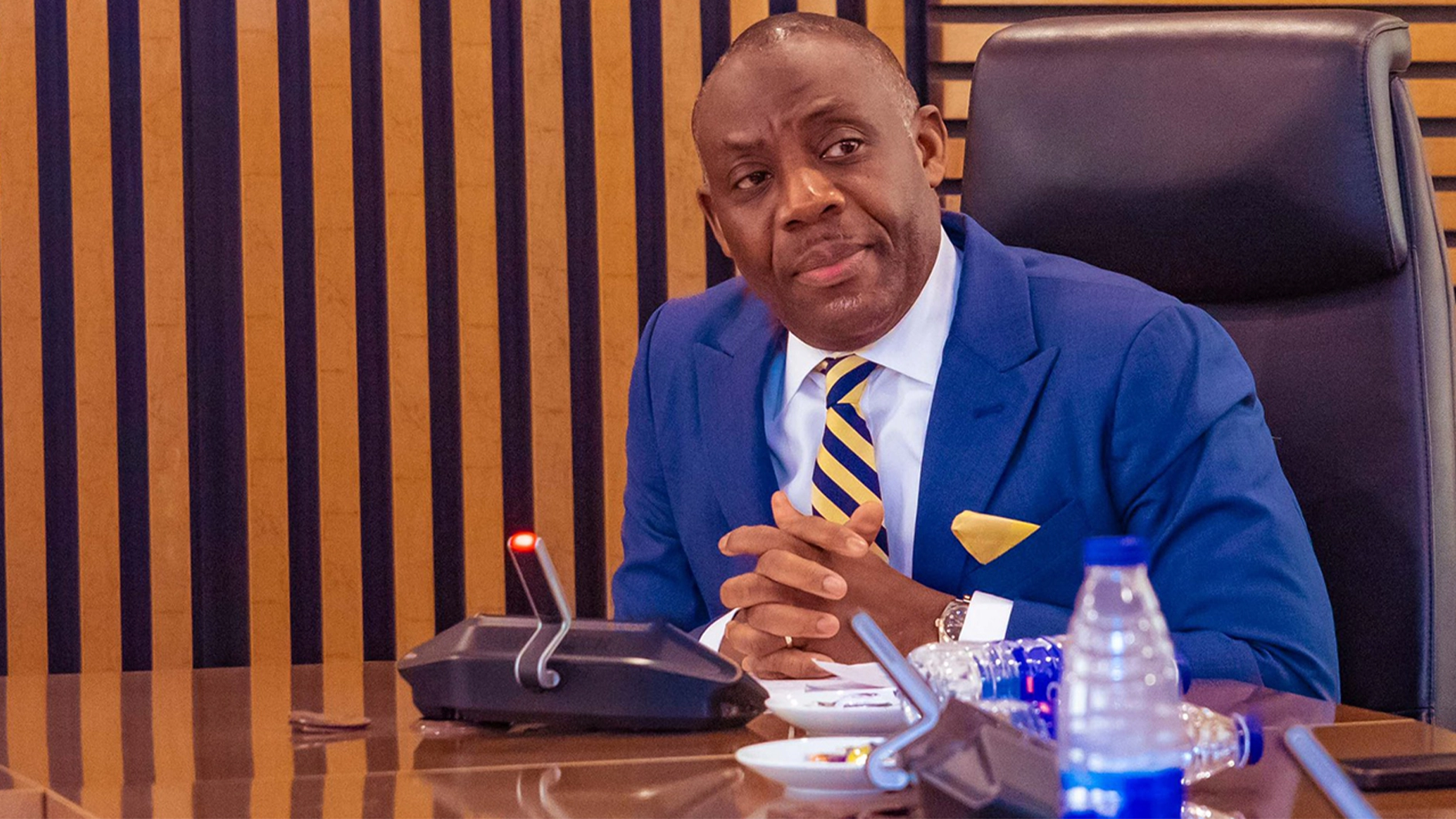
The Federal government has appealed to the National Assembly to halt the passage of bills establishing new federal universities, polytechnics and colleges of education for seven years.
The appeal was contained in a communication to the President of the Senate Godswill Akpabio by the Minister of Education, Dr Tunji Alausa saying the Federal Executive Council approved the moratorium in August 2025 to address the proliferation of tertiary institutions, duplication of programmes and inadequate funding.
Alausa noted that existing federal tertiary institutions are grappling with inadequate lecture halls, overcrowded classrooms, insufficient laboratories, shortage of qualified personnel and deteriorating infrastructure.
He warned that establishing more institutions without addressing these challenges could further weaken academic standards and the quality of education.
He gave reference to the decision of Ekiti and Imo States, which undertook consolidation and restructuring of some tertiary institutions due to financial and administrative challenges.
He further clarified that the moratorium was not intended to permanently restrict access to tertiary education but to allow government consolidate existing investments, improve infrastructure and academic standards, and ensure sustainable funding.

By Son Tertsea, Abuja
The Federal Government has planned spending up to N80 billion of financial support on 40 tertiary institutions to establish commercial farms, in order to boost food production.
The strategic intention is to further create employment opportunities, reduce dependence on government funding by universities and other higher institutions to become self sustaining..
Dr Tunji Alausa, Minister of Education, unveiled this at a meeting with heads of some selected institutions and the management of the Bank of Agriculture. The meeting’s aim was to discuss the implementation of the Renewed Hope Tertiary Agricultural and Entrepreneurship Programme.
According to a statement issued on Tuesday by the Special Adviser on Media and Communications to the minister, Ikharo Attah, “The programme is designed to mobilise more than 500,000 hectares of underutilised land across tertiary institutions for commercial agricultural production, research and enterprise development.”
Alausa said participating universities, polytechnics and colleges of education would be expected to provide approximately 1,000 hectares each, although institutions with smaller landholdings could also qualify based on the viability of their business proposals.
The understanding is for every participating institution to establish a limited liability company, partner with the Bank of Agriculture “which would provide between N1bn and N2bn in financing for agricultural production and related inputs.
“The minister explained that the initiative was aimed at addressing the longstanding under utilisation of agricultural land in tertiary institutions by providing access to financing, machinery, technical expertise and institutional support.”
He said the Federal Government had also made provisions for the initiative through previous interventions by the Tertiary Education Trust Fund, which approved N1bn for some institutions and N2bn for others.
Alausa added that the Federal Ministry of Education had provided N20bn in its capital budget to support 20 tertiary institutions under the agricultural development initiative.
Oarticipating institutions are to receive 10 tractors each at significantly reduced costs through the government’s agricultural mechanisation initiative.
In addition, modern seedlings, farm implements, irrigation equipment, water pumps, fertilisers and technical expertise would be offered to improve productivity.
To guarantee markets for the expected harvests, the minister said arrangements would be made with produce aggregators to purchase crops, while measures would be introduced to minimise post-harvest losses.
He added that the programme would extend beyond primary agricultural production to processing and other agro-allied businesses, creating a sustainable value chain around participating institutions.
Alausa said students, unemployed graduates, alumni, academic and non-academic staff, as well as members of host communities, would be encouraged to participate in the commercial farming activities under the supervision of lecturers and agricultural experts.
Prof. Adamu Ahmed, Vice-Chancellor of Ahmadu Bello University, Zaria, welcomed the programme saying it would help the institution translate its extensive agricultural research capacity into commercial production.
The Rector, Federal Polytechnic Oko, Dr Chioma Awuzie, expressed hope that the initiative would enable the institution to maximise its available land through mechanised farming and improve agricultural production.
The Managing Director of BOA, Ayo Sotinrin, meanwhile has promised the bank’s provision of financing and market linkages to help institutions commercialise agricultural research, improve productivity and generate revenue.
Education
Nigerian Academics Trained in Research Publication in High-impact International Journals –Okebukola
–2026 tertiary institutions ranking ready December 15
By Isa Abdul, Abuja
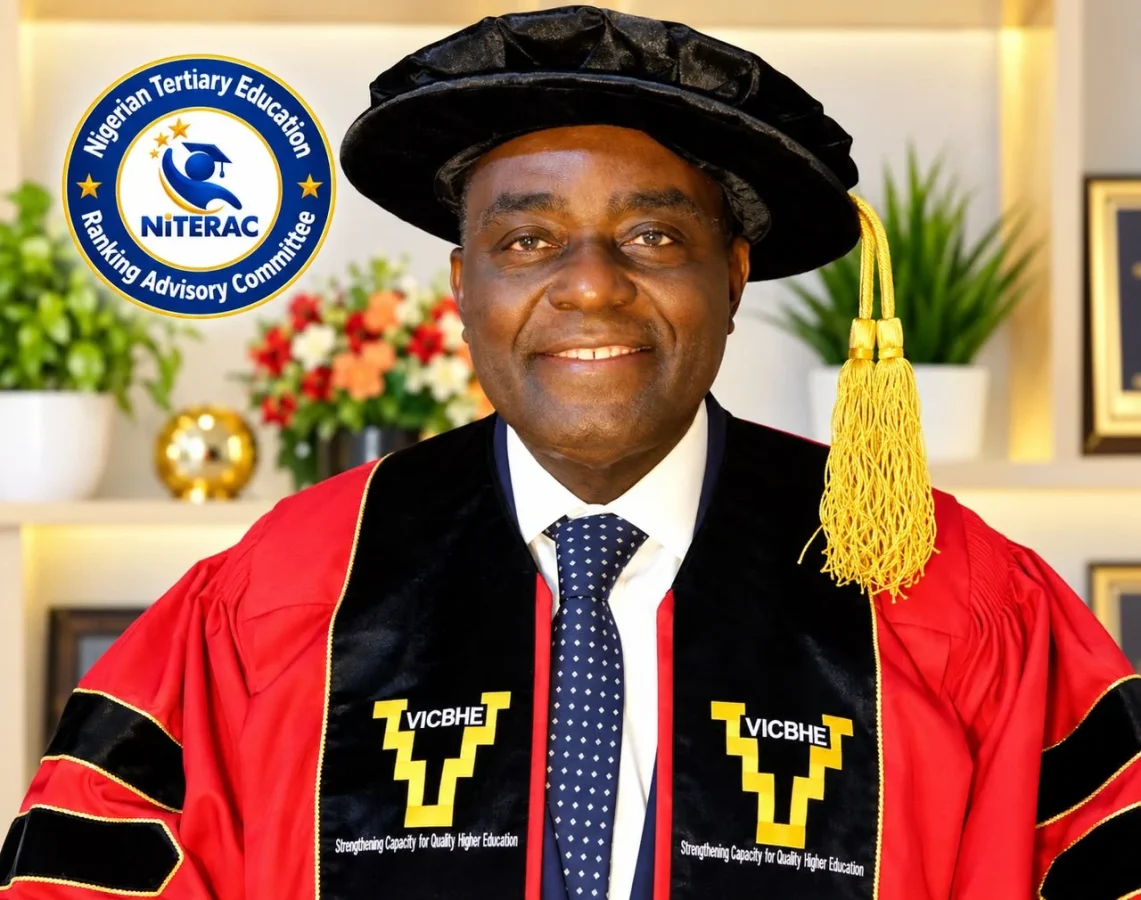
The Nigerian Tertiary Education Ranking Advisory Committee has revealed that 4,203 Nigerian academics have been trained in publishing research in high-impact international journals, as a strategic plan to improve the research output, visibility and global competitiveness of the country’s tertiary institutions.
Also, work on the 2026 national ranking of tertiary institutions is advancing with league tables for universities, polytechnics and colleges of education expected to be released on December 15, according to Prof. Peter Okebukola, Chairman , Nigerian Tertiary Education Ranking Advisory Committee.
The exercise has been progressing as an approved 17-step process guides it, Okebukola disclosed in Abuja, saying that the result would be handed to the Minister of Education, Dr Tunji Alausa, for approval before making it public.
The ranking exercise, mandated by the Federal Ministry of Education, he stressed, was designed not merely to place institutions on league tables but to encourage improvements in teaching, research and institutional performance. In his words:
“The national ranking exercise is not just about positioning institutions on league tables. It is also about stimulating improvements in teaching, research and international competitiveness.”
Okebukola added that Nigerian universities and other tertiary institutions, must produce research that attracts international readership and citations to improve their standing in global university rankings.
The December 15 date, he stressed, remained subject to the minister’s approval of the committee’s recommendations.
The announcement comes amid growing attention to Nigeria’s performance in international university rankings, following the release of the 2027 Times Higher Education World University Rankings, which showed an increase in the country’s representation from 24 universities in 2026 to 29 in 2027.
Nigeria had the highest number of ranked universities in sub-Saharan Africa, accounting for 42 per cent of the 69 institutions from the region included in the global ranking. Other 32 Nigerian universities were listed in the Reporter category, bringing the number of institutions participating in the ranking exercise to 61.
The Federal Ministry of Education had earlier disclosed that the national ranking framework would assess universities using 22 indicators covering different aspects of institutional performance, as part of efforts to promote healthy competition and improve the quality of tertiary education.
The international ranking development has also highlighted areas requiring improvement, particularly teaching quality, research environment, academic reputation, research productivity and international collaboration.
Okebukola said the capacity-building programme was part of the committee’s strategy to address some of these gaps, particularly the ability of Nigerian scholars to publish research in reputable international journals.
The three-day free masterclass, held from October 15 to 17, 2026, was organised by the Virtual Institute for Capacity Building in Higher Education, the training arm of NiTERAC, under the theme, “Publishing in High-Impact Journals: What Editors and Reviewers Look For.”
The programme featured lectures by Prof Olusola Adesope of Washington State University, United States; Prof Jibril Baba of Ahmadu Bello University, Zaria; and Prof Obinna Onwujekwe of the University of Nigeria, Nsukka.
Participants were taken through practical exercises in which they acted as journal editors and reviewers, assessed manuscripts, identified weaknesses and practised responding to reviewers’ comments.
The NiTERAC chairman said the practical sessions were intended to familiarise academics with international publishing standards, reduce avoidable manuscript rejection and improve their chances of getting published in reputable journals.
In the combined test and practical assessment, 23 participants emerged as joint highest scorers, each recording the maximum 3,060 marks.
The scholars were drawn from institutions including the National Open University of Nigeria, Abia State University, Nigerian Defence Academy, Covenant University, Babcock University, Lagos State University, Yaba College of Technology, Rivers State University, University of Benin and Obafemi Awolowo University.
Yaba College of Technology recorded the highest number of successful participants, with 65 scholars, followed by Lagos State University with 43 and Obafemi Awolowo University with 41.
Other institutions with notable participation included Nnamdi Azikiwe University with 39, the National Open University of Nigeria with 38, Michael Okpara University of Agriculture with 25, Olabisi Onabanjo University with 23, and the University of Ilorin and University of Benin with 22 each.
The National Open University of Nigeria and Ladoke Akintola University of Technology also recorded pass rates of 97 per cent and 95 per cent, respectively.
In a related development, the VICBHE management has approved the Dr Tunji Alausa Prize for five vice-chancellors who attained the Distinction Plus classification in the training programme.
The recipients are Prof Elisabeta Smaranda Olarinde of Afe Babalola University, who scored 3,040 marks; Prof Oyedunni Sola Arulogun of Chrisland University, 2,945; Prof Gutti Babagana of Kashim Ibrahim University, 2,900; Prof Ibiyinka Agboola Fuwape of Michael and Cecilia Ibru University, 2,570; and Prof Akan Bassey Williams of Ritman University, 2,500.
Commending the vice-chancellors for participating in the training, Okebukola said their involvement demonstrated the importance of continuous learning and leadership by example in strengthening academic standards.
He said: “Nigerian universities and other tertiary institutions must produce research that attracts international readership and citations if they are to improve their positions in global rankings.”
Okebukola further announced that the institute would organise another free practical masterclass in mid-November, focusing on research visibility and how academics could make their scholarship more discoverable, read and cited.
The forthcoming programme is expected to feature scholars from the African Academy of Sciences, led by its President, Prof Friday Okonofua, and Dr Chika Ezeugwu of Harvard University, alongside Okebukola.
He said the training would equip Nigerian academics with practical skills to increase the visibility, readership and citation impact of their research publications.
The NiTERAC chairman expressed appreciation to Alausa for supporting the national ranking initiative, reaffirming the committee’s commitment to improving the quality, visibility and international competitiveness of Nigerian tertiary institutions.



PERSPECTIVE: Tiv Leaders Must Hear This: While Akwa Ibom Asked For A Future, Tiv Leaders Fight Over A Man
Spread the loveBy Edward Tion I watched the presidential campaign in Akwa Ibom today with a bleeding heart. Not because...

Pursue Unity, Peace, Play Active Role in Nigerian Politics, Deputy Speaker, Kalu Urges Igbo Elites, Leaders
Spread the loveBy Saint Mugaga Deputy Speaker of the House of Representatives, Rt. Hon. Benjamin Kalu has called on Igbo...

2027: Amupitan Seeks Royal Support, Partnership to Discharge Mandate Peacefully, Effectively
Spread the loveBy Isa Abdul The National Chairman of the Independent National Electoral Commission (INEC), Professor Joash Amupitan, has said...


Place 7-Year Ban On Establishment Of New Tertiary Institutions– Edu Minister Begs NASS
Spread the loveBy Son Tertsea, Abuja The Federal government has appealed to the National Assembly to halt the passage of...

Gov Sule to Security Agencies: Fish Out Sponsors of VP Shettima’s Attackers in Lafia
Spread the loveSDP: attackers APC members against Wadada’s candidacy By Isa Abdul, Abuja Prominent personalities in the state planned and...
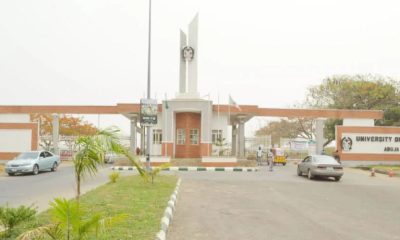

Wike’s Entry, Allocation of UniAbuja Land a Breach of Court Order– ASUU
Spread the loveBy Nick Ibe, Abuja The Federal Capital Territory Administration’s (FCTA) allocation of some hectares of land belonging to...


Alleged 4 Herbal Concoction Consumers Die in Benue
Spread the loveBy Vincent Tyosuugh After consuming a suspected poisonous herbal concoction allegedly sold to residents of Oju Local Government...

BENUE APC Split Deepens As SGF, Stakeholders Shun Alia Campaign Flag-off, Disown Campaign List
Spread the loveBy Felix Umande The crisis rocking the Benue State chapter of the All Progressives Congress (APC) deepened on...


Defence Minister Invites Cybersecurity, Drone, DefenceTech Experts for Collaboration with DICN
Spread the loveBy Nick Ibe, Abuja Minister of Defence, General Christopher Musa (rtd) has called on Nigerians with expertise in...


Wike’s Rainbow Coalition Faces Storm Over Alleged Split Voting: VP Shettima, SDP, Ondo APC Reject Coalition
Spread the loveBy Son Tertsea, Abuja Nyesom Wike’s Rainbow Coalition has been identified as a split voting device according to...