
Education
Reps seek end to discrimination against nursing, physiology graduates

By Saint Mugaga
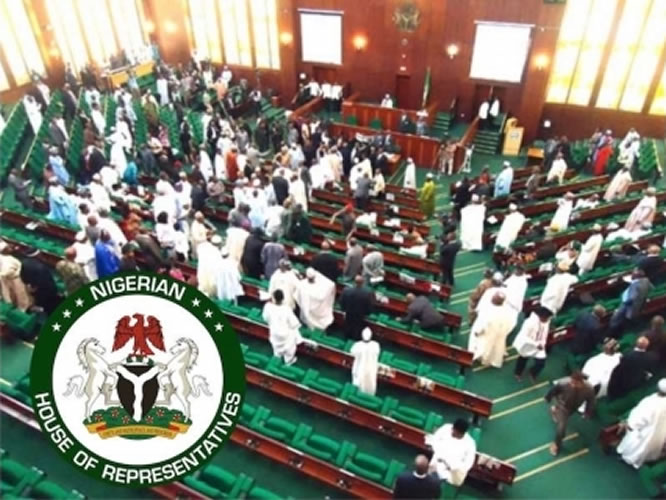
The House of Representatives Tuesday urged the federal government to enhance Internship programme opportunities for graduates of Nursing and Midwifery, Medical Laboratory Science, Pharmacy, Optometry, Physiology, Radiography and Allied Medical discipline in Nigeria.
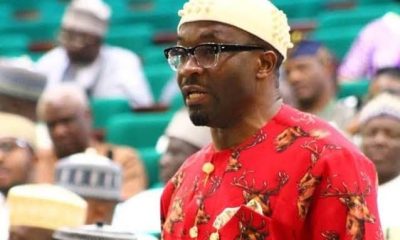
The resolution was passed sequel to the adoption of a motion sponsored by Hon. Harrison Nwadike.
In his lead debate, Hon. Nwadike observed that all the Nigerian Graduates who studied Nursing and Midwifery, Medical Laboratory Science, Pharmacy, Optometry, Physiology, Radiography, and other allied medical disciplines are mandated under the enabling Acts of their regulatory bodies to undergo a compulsory one-year supervised internship in accredited Health Institutions as a prerequisite for professional certification and licensure.
“The House also notes that while Medical Doctors secure internship placement through the Medical and Dental Council of Nigeria (MDCN), Graduates from other Health and Allied disciplines are left to source their own placements thereby creating inequality and inconsistencies.
“The House is aware that annually thousands of Nursing and Midwifery, Medical Laboratory Science, Pharmacy, Optometry, Physiology, Radiography, and other allied medical discipline graduates apply for internship placements on personally in various health institutions, but only few are absorbed due to the limited slots,
leaving over ten to fifteen thousand graduates stranded without placement.
“The House is concerned that the limited availability of internship opportunities, can lead to financial, emotional, and even sexual exploitation of graduates seeking placements, compromising ethics and professionalism in a sector which deals with human life.
“The House is also concerned that most unlicensed graduates are exposed to social vices, such as internet fraud, violent crimes, and prostitution, contributing losses in public health and societal well-being.
“The House is cognisant that public Health Institutions are largely underfunded and experienced a shortfall in the number of admitted graduates’ interns’ programs, a Federal Government Health Institution domiciled in the FCT recently conducted examinations for over 640 eligible nursing interns but only about 35 available
placement slots – leaving over 600 graduates without internship opportunities.
Further notes that a significant number of graduates in these disciplines who fail to obtain internship positions are left stranded and cannot go for the mandatory one-year National Youth Service Corps (NYSC) program, as they are ineligible for professional license.
“The House is worried that these structural deficiencies may compel Nigerian graduates to seek training, research and development opportunities abroad, thereby deepening the national brain drain malaise and undermining the country’s investment in human capital development,” he noted.
In the bid to address the concerns raised by the lawmaker, the House tasked all regulatory bodies in the health sector such as: Nursing and Midwifery Council of Nigeria
(NMCN), Pharmacists Council of Nigeria (PCN), Medical Laboratory Science Council of Nigeria (MLSCN), Medical Rehabilitation Therapist Board of Nigeria (MRBT), Radiographers Registration Board of Nigeria (RRBN) and others to adopt the model as operationalized by the Medical and Dental Council of Nigeria for their prospective interns by direct posting to medical institutions for their internship program.
The House also urge the Federal Ministry of Health and Social Welfare to increase the internship budgetary subhead for health institutions to accommodate the number of graduates annually and collaborate with the regulatory councils, to develop a National Internship Matching Portal to automate and harmonize graduate placements, ensure transparency, prevent exploitation, and eliminate delays.
In the same vein, the lawmakers urged Federal Ministry of Budget and Planning to increase the budgetary envelope to tertiary health institutions across the country to enable them increase funding for this internship programs to accommodate all graduates eligible for internship annually.
To this end, the House mandated the joint Committees on Health Institutions, Health Services, and Legislative Compliance to
ensure compliance and report within four weeks for further legislative action.






By Nick Ibe, Abuja
Without urgently resolving all the pending salary and welfare issues, by the Federal Government and state governments issues, affecting lecturers’ welfare and the implementation of the 2025 agreement, the Academic Staff Union of Universities (ASUU) will shut down public universities again.
ASUU warned that it may activate its suspended strike “without any further notice.”
The threat followed an emergency meeting of its National Executive Council (NEC) held on September 5, 2026, at its Festus Iyayi National Secretariat Complex, University of Abuja.
ASUU National President, Prof. Christopher Piwuna, released the statement to journalists in Abuja on Friday, saying the failure of the government to fully implement the December 2025 agreement, pay outstanding withheld salaries and remit billions of naira deducted from workers’ pay had pushed the university system towards another industrial crisis.
The union said it could no longer guarantee uninterrupted academic activities while the economic and professional wellbeing of its members remained under threat.
ASUU said lecturers are still owed three-and-a-half months out of the seven-and-a-half months’ salaries withheld during the administration of former President Muhammadu Buhari, despite the payment of four months by the present administration.
It said the outstanding salaries had lost more than 50 per cent of their value since 2022 due to the devaluation of the naira and rising inflation. It said:
“We state for the umpteenth time that the lecturers have done the work for which they are being punished. They did it at huge cost to their physical and psycho-social well-being.
“Some lost their lives in the process and many are now managing life-threatening ailments. For healing and restoration in the Nigerian University System, we think the withheld salaries of lecturers should be released without further delay.”
ASUU also accused the government of failing to remit deductions from lecturers’ salaries for pension contributions, staff cooperative societies and ASUU check-off dues, alleging that the outstanding third-party deductions run into billions of naira.
The union described the non-remittance of the deductions as a double financial loss to its members, arguing that workers were not only denied access to the funds but also deprived of potential investment returns.
It alleged that the continued withholding of the deductions could be linked to lecturers’ rejection of the Integrated Personnel and Payroll Information System (IPPIS).
“ASUU-NEC is fully prepared to call out its members if nothing concrete is done to address this lingering problem without further delay,” the union warned.
The union also expressed frustration over what it described as the “non- or haphazard implementation” of the 2025 FGN-ASUU Agreement by federal and state governments.
While commending the Federal Ministry of Education for recent efforts to clear outstanding salaries owed workers in federal universities of agriculture, ASUU said the interventions had not addressed the broader challenges confronting academics.
It said lecturers were being subjected to uncertainty over when and how much of their salaries would be paid, with some allegedly having to engage their vice-chancellors over salary delays.
ASUU, however, singled out Abia State Governor, Dr Alex Otti, for commendation, saying he had publicly announced the full adoption of the 2025 FGN-ASUU agreement and apologised to the union over bureaucratic bottlenecks that caused delays and distortions.
The union also commended Bauchi, Ekiti, Ogun, Benue, Yobe, Adamawa, Kebbi, Katsina and Borno states, where it said implementation of the agreement had commenced.
It said Kano, Edo, Plateau, Taraba, Gombe and Bayelsa states had pledged to commence implementation in September or October.
ASUU, however, warned governors yet to act that failure to implement the agreement could plunge their universities into what it described as an “industrial crisis of monumental proportions.”
The union said authorities of affected universities had already been notified of the commencement of strike action in their respective institutions unless satisfactory progress was recorded.
ASUU also opened another front of confrontation with Osun State Governor, Ademola Adeleke, over the two-year extension granted to the Vice-Chancellor of Osun State University (UNIOSUN), Prof. Clement Adegbooye.
Governor Adeleke had, on September 1, announced the extension of Adegbooye’s tenure from January 2027 to January 2029 during the inauguration of the university’s reconstituted Governing Council.
ASUU described the decision as unacceptable, arguing that the law under which the vice-chancellor was appointed provides for a single five-year tenure without extension.
The union accused the governor of hurriedly amending the law to accommodate the extension, warning that the development could undermine university autonomy and set a dangerous precedent for other state universities.
It also criticised Adegbooye for accepting the extension, noting that he had previously served as a branch secretary of ASUU at Obafemi Awolowo University, Ile-Ife.
The union urged him to reconsider the decision before January 2027, when it said his legally valid tenure would expire.
ASUU warned that it would challenge the development if efforts to reverse the decision failed.
ASUU Faults Government’s Economic Claims
Beyond university-specific grievances, ASUU accused the Federal and state governments of increasingly shifting their attention from governance and workers’ welfare to the 2027 general elections following the lifting of the ban on electioneering campaigns on August 19.
The union rejected government claims of macroeconomic growth, arguing that the figures had not translated into improved living conditions for ordinary Nigerians.
It cited declining purchasing power, rising living costs and inadequate access to healthcare, education, electricity, potable water and roads as evidence of what it described as “growth without development.”
ASUU also endorsed the call by Nigeria Labour Congress (NLC) President, Joe Ajaero, for an immediate review of the national minimum wage, saying workers’ salaries could no longer cope with inflation.
The union advocated indexing the minimum wage to inflation to protect workers’ purchasing power and provide an automatic mechanism for adjusting wages as the cost of living rises.
‘Don’t Blame Us If Universities Shut Down’
ASUU said its latest warning should not be interpreted as an attempt to deliberately disrupt the academic calendar, insisting that the welfare of its members had reached an existential point.
It appealed to students, parents, labour leaders, media practitioners and other Nigerians to prevail on the government to address the brewing crisis before it escalates.
“In no mistaken terms, ASUU posits that the non- or haphazard implementation of the 2025 FGN-ASUU Agreement by federal and state governments is a recipe for industrial crisis in Nigeria’s public universities,” it said.
“In the same vein, withholding the three-and-half months’ salaries and third-party deductions by the government is an ill-wind for lasting peace on our campuses.”
The union added: “ASUU-NEC resolved to notify all concerned that the Union may activate its suspended strike action without any further notice if the critical issues raised in this release are not speedily addressed.”
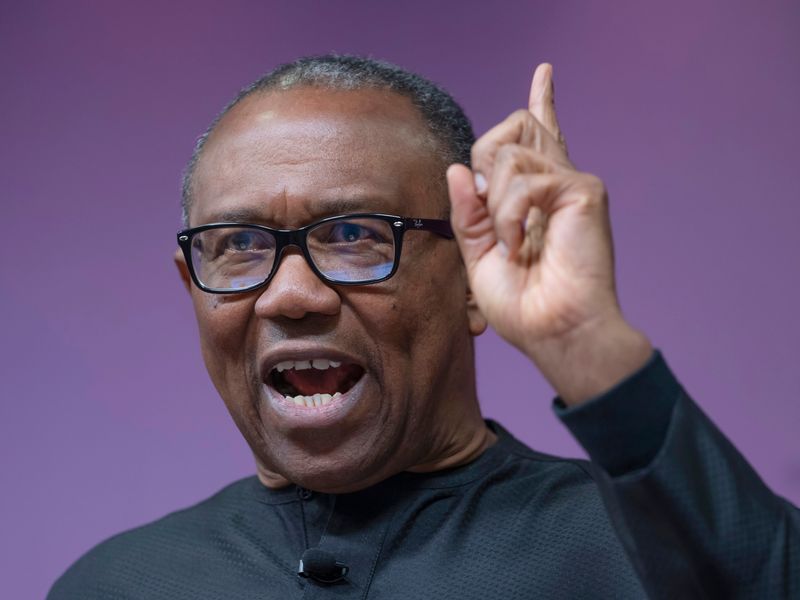
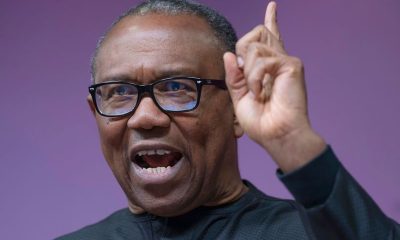
After returning to Abuja on 8th September 2026, following our visits to Benue and Plateau States, I travelled to Europe, first to Germany and then to the United Kingdom. There, I participated in a series of high-level meetings addressing issues of fundamental importance to Nigeria’s future.
Our conversations addressed democracy and electoral integrity, the escalating challenge of poverty, education, corruption, healthcare, and, above all, practical ways to improve the lives and preserve the dignity of our people.
I was especially encouraged by the sincere readiness of our international partners to support Nigeria, particularly in the critically important area of education. I have consistently emphasised that education is the most valuable investment we can make in our people, because no nation can create a prosperous and sustainable future without developing the knowledge, skills, and capabilities of its citizens.
We must intentionally transition Nigeria from consumption to production, from dependence to productivity, from wasteful practices to responsible resource management, and from division to a common national purpose.
Together, we can create a Nigeria in which every child receives a quality education, democracy genuinely embodies the people’s will, healthcare is within reach, public resources are administered responsibly, and every Nigerian enjoys a fair chance to lead a dignified and productive life.
A New Nigeria Is POssible. -PO
From X
Education
To Boost Sch Enrollment: Nasarawa Plans Mobile Courts To Arrest, Prosecute Parents Of Out Of School Children
By Michael Lim, Jos
As part of measures to tackle the growing number of out-of-school children in Nasarawa State, the Government is considering the establishment of mobile courts to prosecute parents who fail to send their school-age children to school.
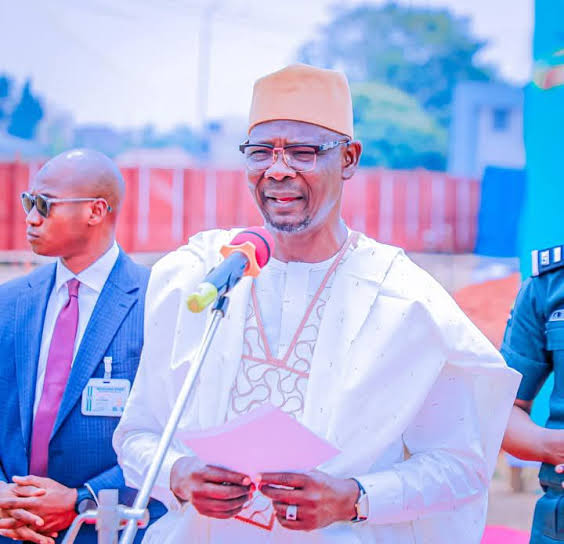
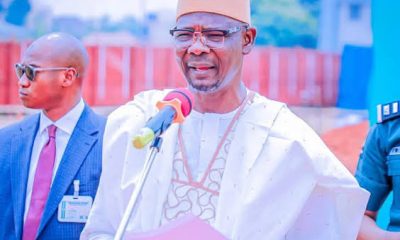
Peter Ahemba, the Senior Special Assistant to Governor Abdullahi Sule on Public Affairs, revealed this during his bi-monthly media briefing in Lafia.
Ahemba said the government had directed the State Universal Basic Education Board (SUBEB) to begin an advocacy campaign across the state to ensure that children of school age who are currently out of school return to the classroom.
SUBEB and the state Ministry of Justice, he said, were exploring the establishment of mobile courts to handle cases involving parents who fail to ensure that their children attend school.
According to him, the government would first embark on advocacy and sensitisation before beginning full enforcement of the policy.
Ahemba added that a task force would subsequently be established to monitor the streets during school hours and identify school-age children found outside school.
He explained that the task force would trace the parents of such children, who could then be arrested and handed over for prosecution for failing to send them to school. In his words:
“Because at the end of that advocacy tour by the State Universal Basic Education Board to ensure that our children of school age who are not in school are back to school, after that grace period of advocacy, government will now commence full enforcement.
“There will be a task force that will be charged with the responsibility to go around the streets. When such children are identified during school hours, they will be held to identify their parents.
“By the time they identify their parents, those parents will now be arrested and handed over for prosecution for failure to send their children to school.”
The initiative, according to him, was aimed at ensuring that no child in Nasarawa State was denied the opportunity to acquire education, adding that the government was also providing educational materials to support families and encourage school enrolment.
He disclosed that SUBEB had procured more than 10,000 exercise books, school uniforms and sandals, among other learning materials, for distribution to pupils in public schools across the state.
Meanwhile, Ahemba said the state government had concluded the recruitment of 1,000 primary school teachers through SUBEB to strengthen manpower in public schools, particularly in rural areas.
He said Governor Sule had directed that the 1,000 successful candidates be released for immediate employment.
According to him, more than 10,000 applications were received for the recruitment, but the board selected the 1,000 successful candidates based on merit.



Mother Subjects Daughter to Abuse, Admits: “I made $300 from my 8-yr-old daughter’s pornographic video’
Spread the loveBy Nick Ibe The viral video on the social media involving an 8-year old girl whose ordeal was...

Lawyer Assaulted by Police: NBA Gboko Branch Secures N500 Million General and Exemplary Damages in Makurdi Court
Spread the loveBy Our Reporter In the pursuit of justice for a colleague, B. B. Iliamkondo, Esq., who was recently...


Alia Denounces Ayilamo Attack, Commiserated With Victims as DSS Arrests 3 Suspects
Spread the loveBy Felix Umande Governor Hyacinth Alia of Benue State has strongly condemned the deadly attack on Ayilamo Community...

Alia Condemns Ayilamo Attack, Commiserates With Victims, As DSS Arrests 3 Suspects
Spread the loveBy Felix Umande Governor Hyacinth Alia of Benue State has strongly condemned the deadly attack on Ayilamo Community...

FG, States, Be warned We Will Strike, Without Warning –ASUU
Spread the loveBy Nick Ibe, Abuja Without urgently resolving all the pending salary and welfare issues, by the Federal Government...
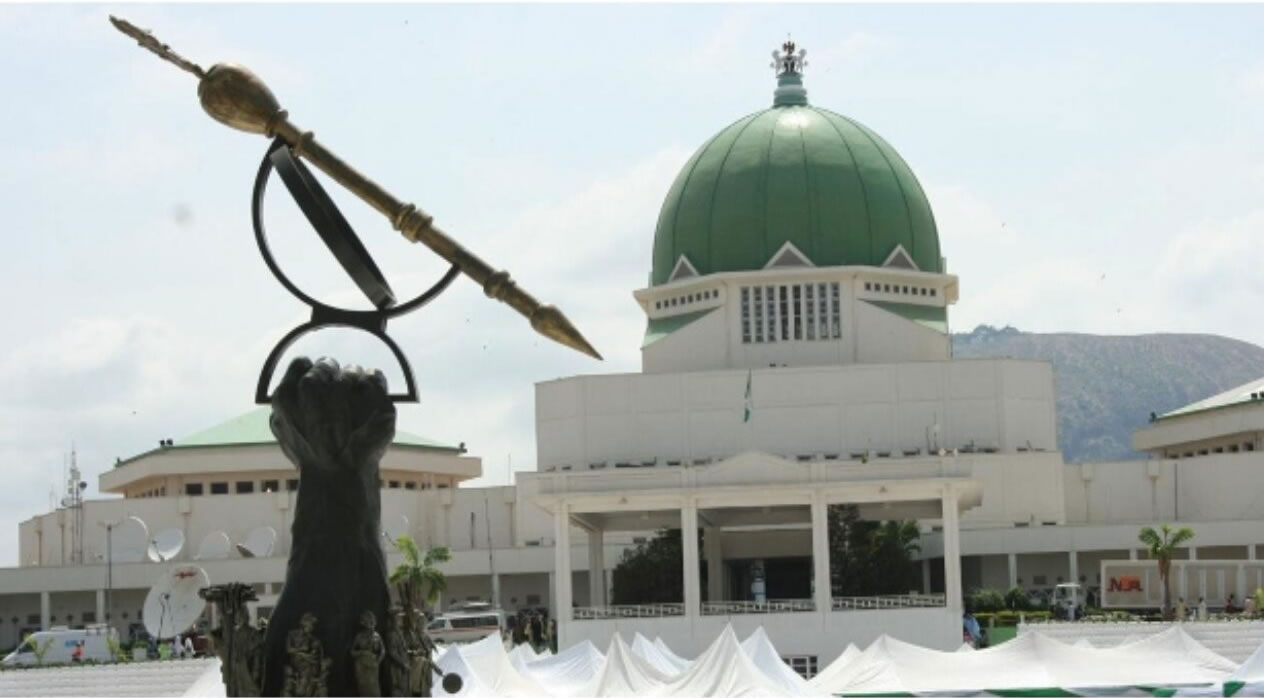
Protest Against Xenophobia: NASS Orders Boycott of South African Organised, Hosted Legislative activities
Spread the love–Calls on State Assemblies to join By Isa Abdul, Abuja In a bold move against South Africa’s xenophobic...

Why Education is Dear to Me – By Peter Obi
Spread the loveAfter returning to Abuja on 8th September 2026, following our visits to Benue and Plateau States, I travelled...

After Two Decades: FG Pays 2,700 ex-Nigeria Airways Staff N18bn
Spread the loveBy Son Tertsegha, Abuja Over two decades after the national carrier, Nigeria Airways, was liquidated, the Federal Government...

To Boost Sch Enrollment: Nasarawa Plans Mobile Courts To Arrest, Prosecute Parents Of Out Of School Children
Spread the loveBy Michael Lim, Jos As part of measures to tackle the growing number of out-of-school children in Nasarawa...

Akume to Religioud Leaders Make Peacebuilding Part OF National Security Ahead of 2027
Spread the loveBy Felix Umande The Secretary to the Government of the Federation, Senator Dr. George Akume, CON, on Wednesday...