
General News
To Ease Workers’ Mobility Needs: Fed Govt Delivers Electric Vehicles

By Isa Abdul, Abuja
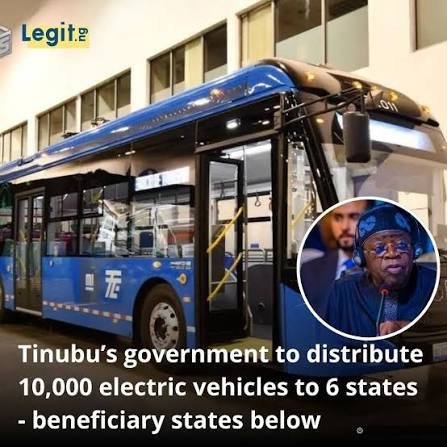
The Federal Government has taken practical steps to solve federal workers’ transportation challenges by initially deploying 100 electric mass transit buses.
It also delivered the first batch of electric vehicles (EVs) promised to workers, as part of a broader move to cut transportation costs amid promoting cleaner energy use across the country.
On Wednesday, the first batch of 37 buses was commissioned at the Eagle Square, Abuja, by the Head of the Civil Service of the Federation, Mrs Didi Esther Walson-Jack, under the Federal Civil Service Electric Mass Transit Programme.
The initiative, approved by the Federal Executive Council (FEC) under the Renewed Hope Mass Transit Scheme, is meant to provide federal workers with safer, more affordable and reliable transportation along designated routes within the Federal Capital Territory (FCT).
In another development, the Director-General, National Automotive Design and Development Council (NADDC), Oluwemimo Joseph Osanipin, who disclosed that the government had taken delivery of the first batch of EVs promised to civil servants, described it as the beginning of a wider rollout under the administration’s clean energy transportation drive.
He spoke while briefing journalists after meeting President Bola Ahmed Tinubu at the State House.
Speaking at the bus inauguration, Walson-Jack, described the intervention as central to workers’ welfare and productivity.
“For many civil servants, the daily commute shapes their finances, their safety, their punctuality and ultimately their productivity,” she said.
The retiring HoCSF said the launching was a fitting close to her tenure. In her words:
“This commissioning is providentially my parting gift to my dearly beloved federal servants. In a little under 24 hours, my time as Head of the Civil Service of the Federation comes to an end.”
Walson-Jack said the buses were acquired through the Renewed Hope Infrastructure Development Fund and linked the programme to other government interventions, including the minimum wage review, the wage award following the fuel subsidy removal, digitalisation of the public service, and reforms in pensions, promotions and health insurance. “Each is a thread in the same commitment that reform must be felt, not merely announced,” she said.
The Minister of State for Industry, Senator John Owan Enoh, said the buses programme was an investment in workers’ welfare and local industrial development. He said each bus could carry up to 200 passengers and travel a minimum of 200 kilometres on a full charge, and that the scheme would ease pressure on workers’ household incomes while supporting Nigeria’s automotive sector.
The buses, approved by NADDC, are expected to run on designated routes linking residential corridors with the Federal Secretariat and other government offices in the FCT, with the first deployment serving as a testing phase ahead of a wider rollout.
On the electric vehicle scheme, Osanipin said the government had also deployed EV-related infrastructure in about 16 universities to build the ecosystem needed to support the transition to alternative energy vehicles. He said policies promoting EVs and Compressed Natural Gas required complementary investment in filling stations, mobile refilling units and gas production before their benefits could be fully felt.
He disclosed that the number of companies licensed to retail gas had risen to about 81, from the previous four.




By Son Tertsea, Abuja
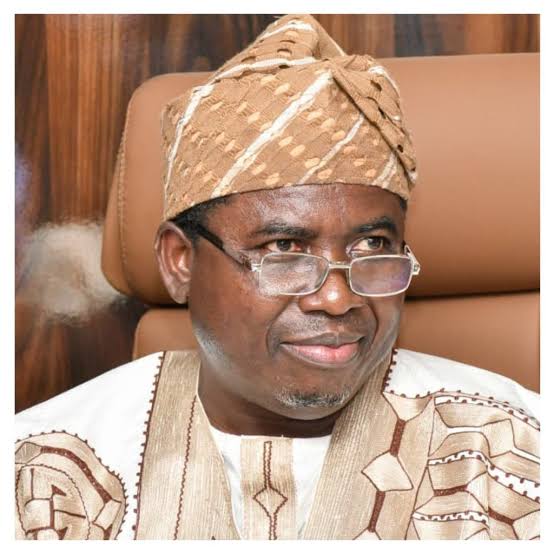
The outcome of the 2027 General Elections, will be decided by the sovereign will of the Nigerian people, not by algorithms, according to the Chairman of the Independent National Electoral Commission (INEC), Prof. Joash O. Amupitan, SAN.
He said this while speaking at the Artificial Intelligence and Democracy Forum 2026 in Abuja, with the theme “Safeguarding the 2027 General Elections in the Age of Artificial Intelligence.” Amupitan emphasised that technology, however sophisticated, must remain only an instrument for serving human agency, institutional efficiency, and administrative transparency.
“Algorithms will not, and must never, decide the 2027 vote,” adding that:
“The choice of who leads Nigeria belongs exclusively to the Nigerian people. Algorithms may predict patterns; they may optimise routes, and they may even suggest preferences. But they do not have a conscience, they do not have a country, and they do not have a vote.”
The forum, co-convened by INEC and Yiaga Africa, brought together the Chairperson of the ECOWAS Network of Electoral Commissions and Chairman of Senegal’s Electoral Commission, Mr Abdoulaye Sylla; members of the diplomatic corps; National Commissioners and Resident Electoral Commissioners; heads of sister election management bodies across Africa; international development partners; political party leaders; civil society organisations; media executives; security agencies; technology companies; and members of the academic community.
With exactly 92 days to the 2027 General Elections, the INEC Chairman acknowledged that AI will undeniably shape the information environment, influence electoral logistics, and alter the tactics of both democratic actors and anti-democratic disruptors.
“While algorithms will not decide the vote, AI will undeniably shape the information environment in which citizens form their choices, influence the speed and security of electoral logistics, and alter the tactics of both democratic actors and anti-democratic disruptors,” he said.
Prof. Amupitan described the 2027 General Election as the largest democratic exercise on the African continent and one of the most complex administrative undertakings in the world, with over 103 million registered voters, 176,846 polling units across 774 Local Government Areas, and multi-tiered balloting spanning presidential, national assembly, governorship, and state assembly elections.
He noted that INEC has already executed ten of the fourteen major operational milestones stipulated by the Electoral Act 2026, procured additional BVAS units, digitised candidate nominations through the INEC Candidates Nomination Portal (ICNP), processing over 15,000 nominations across 22 political parties, and introduced online voter registration for the first time in Nigeria.
Rather than defaulting to alarmism, the INEC Chairman outlined opportunities for AI to optimise election administration, including predictive logistics and route optimisation, automated result audit assistance, biometric database hygiene, multilingual voter engagement through Natural Language Processing, and AI-driven cybersecurity defence.
He, however, affirmed the Commission’s commitment to the Human Oversight Principle, stressing that no critical electoral decision, result collation, voter accreditation, or candidate qualification will ever be fully automated or delegated to an autonomous system.
“Human accountability, statutory oversight, and judicial review will remain paramount at every stage of the electoral chain,” he said.
By Isa Abdul, Abuja
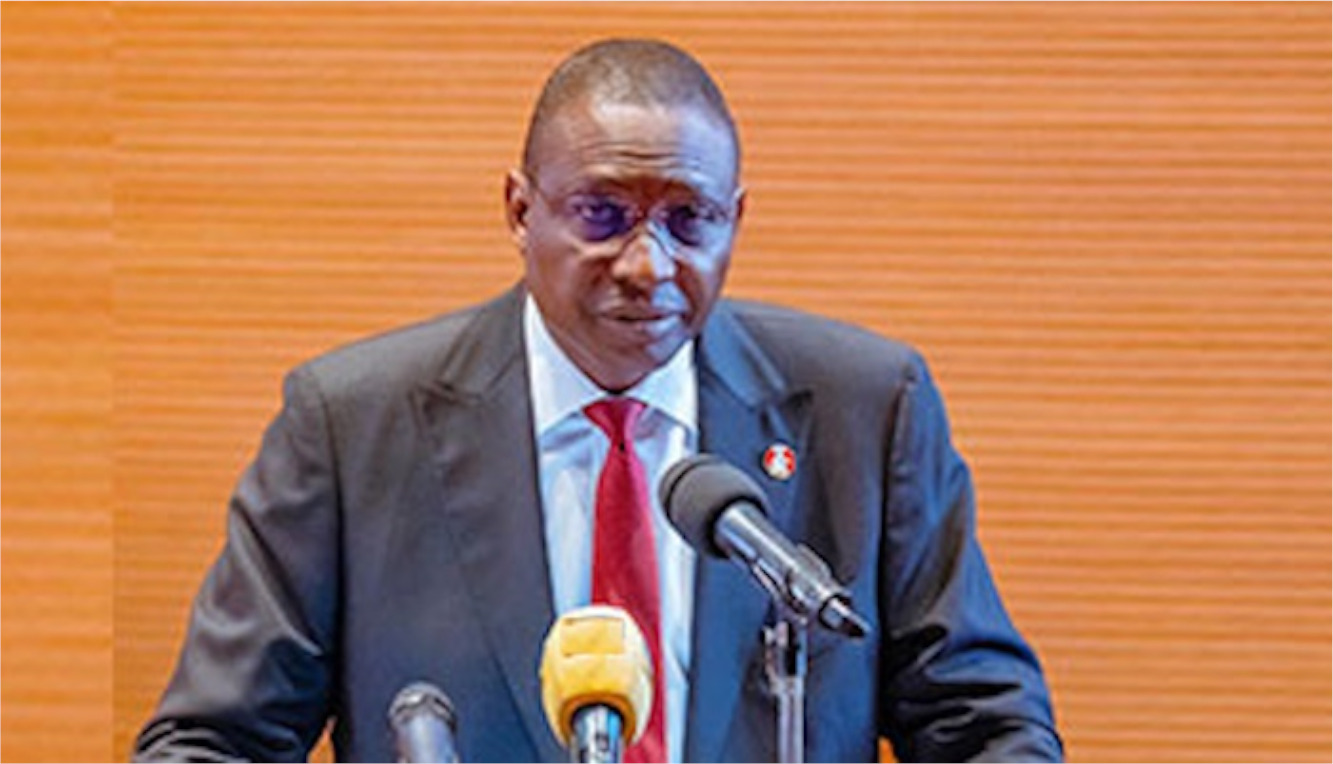
Young girls across the country have been warned against joining the growing sextortion trend in the country by the Chairman of the Economic and Financial Crimes, Ola Olukoyede.
The chairman gave the warning in Abuja on Monday, October 12, 2026 at an event to mark the International Girl-Child Day, organized by the African Girl Guild, AGG, with the theme: “Invest in her, Empower her and Let her Lead.”
While noting that incidents of sextortion are on the rise in the country, Olukoyede disclosed that the criminal elements involved in the crime take advantage of the vulnerable moments of the female gender to extort money from them and urged the girls to choose integrity in their relationship with the opposite sex.
“Girls need to be careful about relationships and not fall into the antics of criminals and sextortionists. Integrity in a relationship will safeguard you against such villains. A girl with integrity will always outlast a girl with only make-up. Your integrity is your crown. Do not sell it cheap,” he said.
Olukoyede, who was represented by the Head of the EFCC’s Enlightenment and Re-orientation Unit, Assistant Commander of the EFCC, ACE I Aisha Muhammed, further warned young girls in the country to stay away from cybercrime. “If you engage in cybercrime; if you become an account mule for Yahoo boys; if you blackmail people online, you are not just committing a crime, you are destroying Nigeria’s image, the same Nigeria you will need for a lot of things.”
He spoke on the need for girls to be responsible citizens, to shun cybercrime as it often makes them the tools of online blackmail by fraudsters.
“A responsible girl child reports wrongdoing, she volunteers, she respects the law, she knows that she is a stakeholder in Project Nigeria. As young girls, you must learn how to earn legally. Learn a skill, tech, tailoring, baking, content creation, coding. Not everything you earn is for squandering, save at least a certain percentage like 20%, know your needs and wants. Financial awareness is self-defence. Don’t let anyone use your account to commit fraud. That account in your name can take you to prison.”
Self-reliance, he said, brings empowerment, which the girl child can leverage to attain a glorious height in the future. “An empowered girl is not waiting for someone to rescue her, she is educated; she is skilled; financially independent and because she is independent, nobody can buy her conscience. That is why the EFCC has established Integrity Clubs and Zero Tolerance Clubs in schools across Nigeria. We want you to become ambassadors of integrity in your schools and communities.
Speaking on the need to invest in the girl child, Denen Petronella, Executive Assistant to Jindu Peter, founder of African Girl Guide, stated that investing in the girl-child means giving her confidence, knowledge, skills, protection, mentorship and opportunities to be able to discover her potential.
“At African Girl Guide, we believe a girl should not only be prepared for her future; she should be given the confidence, support and opportunities to help shape it. She learns; she leads; she thrives. Our responsibility therefore is not simply to tell girls they can succeed. It is to help create the support systems that make that success possible.”
As part of African Girl Guide commitment in ensuring the empowerment of the girl child, the launch of the AGG Camp Amani School Club was announced.
According to Petronella, Camp Amani School Club will give girls a continued platform “to learn, build leadership and life skills, develop confidence and explore opportunities throughout the school year.”
Participants at the events include representatives from ministries, agencies, departments, institutions and students from different secondary schools within Abuja.
By Nick Ibe, Abuja
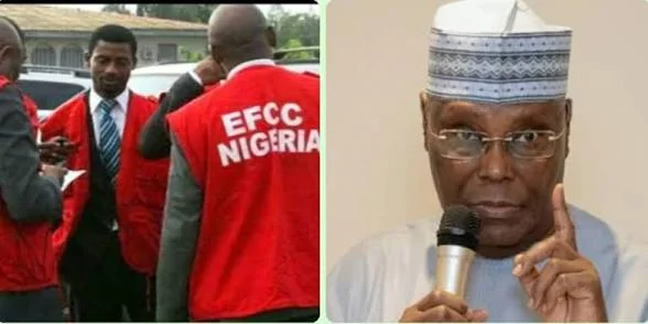
A fresh petition aimed at prosecuting former Vice-President, Atiku Abubakar, over alleged financial crimes, dating back to 2006 has been submitted to the Economic and Financial Crimes Commission (EFCC)
Filed by a former member of the House of Representatives, Hon. Ehiozuwa Johnson Agbonayinma, he is urging the anti-graft agency to revisit its earlier investigation into the allegations and consider a subsequent report by a United States Senate subcommittee.
Agbonayinma said the EFCC acknowledged his petition, dated August 27, 2026, and received on September 1. The petition, submitted through his lawyer, Chief Hannibal Egbe Uwaifo, SAN, called on the commission to reactivate its previous findings and take appropriate action.
The former lawmaker appeared at the EFCC headquarters in Jabi, Abuja, where he formally adopted the petition and responded to questions from investigators.
Speaking on the development, Agbonayinma insisted that the matter should not be left unresolved, stressing that the law should apply equally to all Nigerians, regardless of their social or political status.
“I want to thank Nigerians, the EFCC, and those praying for me in this struggle. The laws are meant for both the rich and the poor. After the EFCC has done a fantastic job, it should not be kept under the table.”
In the petition, Agbonayinma asked the commission to revisit its September 2006 report on Atiku and a February 4, 2010, report by the United States Senate Permanent Subcommittee on Investigations.
He argued that the two documents should provide a basis for renewed scrutiny of the allegations and further action by the anti-graft agency.
The petition further alleged that the EFCC had previously indicated that Atiku could be prosecuted after leaving office as vice-president, when his constitutional immunity no longer applied, but that no prosecution subsequently followed.
Agbonayinma said the alleged failure to pursue the matter as a dereliction of duty, arguing that revisiting the case would demonstrate the commission’s commitment to holding politically influential individuals accountable under the law.
He also disclosed that he had petitioned United States President Donald Trump over the allegations.
Meanwhile, EFCC spokesman, Dele Oyewale, had yet to respond to messages seeking clarification on the status of the investigation as of the time of filing this report.



Pope Leo XIV Undergoes Lung Surgery At 71 As Vatican Confirms Early Cancer
Spread the loveBy Felix Umande Pope Leo XIV has had part of his lung removed after doctors found early-stage cancer,...

INEC Chairman Assures: “Algorithms Will Not Decide the 2027 Vote”
Spread the loveBy Son Tertsea, Abuja The outcome of the 2027 General Elections, will be decided by the sovereign will...

Shun Sextortion: EFCC Chairman Warns Nigerian Girls
Spread the loveBy Isa Abdul, Abuja Young girls across the country have been warned against joining the growing sextortion trend in...


Former Lawmaker Petitions EFCC to Open Atiku’s 2006 Financial Crime Case
Spread the loveBy Nick Ibe, Abuja A fresh petition aimed at prosecuting former Vice-President, Atiku Abubakar, over alleged financial crimes,...

Benue Bishop Shuts Schs, Hospital, Parish In Alia’s Community Says “Church Cannot … Expose Priests, Students To Danger”
Spread the loveBy Felix Umande The Catholic Bishop of Gboko, Most Rev. William Avenya, has ordered the indefinite closure of...

President Tinubu Receives NNPC’s 2025 Audited Financial StatementBy Aliyu Musa
Spread the loveGroup Chief Executive Officer, NNPC Limited, Engr. Bashir Bayo Ojulari, today at the Presidential Villa in Abuja, presented...


NIMENA chair, Sylvanus receives tech leadership awardBy Philip NyamAbuja
Spread the loveThe National Chairman of the Nigerian Institution of Marine Engineers and Naval Architects (NIMENA), Dr. Eferebo Sylvanus has...


SDP crises: Court strikes out criminal case against Shehu Gabam
Spread the loveBy Saint Mugaga A Magistrate Court in the Federal Capital Territory (FCT), Abuja, has struck out a criminal...


Wike Orders Removal of Illegal Structures, Stops Unauthorised Commercial operations
Spread the loveBy Isa Abdul, Abuja Wike has ordered the immediate enforcement of operations against unauthorised commercial activities and illegally...


Benue Govt Closes Two Schools in Makurdi Over Textbook Sales Violation
Spread the loveBy Vincent Tyosuugh Two academic institutions, Orenda Opal Schools have been closed by the Benue State Government over...