
Health
Reps investigates $4.6bn grants from Global Fund, USAID


By Saint Mugaga
The House of Representatives Tuesday mandated its Committee on HIV/AIDS, Tuberculosis and Malaria Control to investigate the utilisation of the $1.8bn and $2.8 bn, totalling $4.6bn grants received by Nigeria from 2021 to 2025 for the fight against HIV, Tuberculosis and Malaria from the Global Fund and USAID.
The committee is to report back to the House within four weeks for further legislative action.
The resolution followed the adoption of a motion sponsored by deputy spokesperson of the House, Hon. Philip Agbese (APC, Benue) at plenary.
In adopting the motion, the House mandated the Coordinating Minister of Heath and Social Welfare to provide the implementation plan and approvals granted by the National Assembly for the utilisation and expenditure of the grants.
Presenting the motion, Hon. Agbese noted that Nigeria has received an estimated $1.8 billion dollars in grants from Global Fund from 2021 to 2025 for the fight against HIV, TB and Malaria, in addition to over $2.8 billion received from USAID to cover health threats such as HIV, malaria, polio, and tuberculosis between 2022 and 2024.
He said the Global Fund to fight AIDS, Tuberculosis and Malaria, founded in January 22, 2002 as an independent, multilateral financing entity designed to raise a significant resource and accelerate efforts to end the HIV, TB, and malaria epidemics in the world, particularly in sub-Saharan Africa.
“Aware that Nigeria also received over $6 billion dollars in health assistance from the US President’s Emergency Plan for AIDS Relief from 2021 to 2025 to fight HIV/AIDS and build capacity of Health and community Systems.
“Also notes that the Federal Ministry of Health and Social welfare is responsible for the utilisation of the grants from USAID while the Country Coordinating Mechanism Nigeria is responsible for utilising and implementing the Global Fund grants in Nigeria.
“Concerned that with this huge investment in the nation’s response to HIV, TB and Malaria, Nigeria still bears great burden in all these public health threats. In 2023 approximately 15,000 AIDS-related deaths occurred among Nigerian children aged 0-14years, while 51,000 AIDS-related deaths were recorded in the country with Nigeria ranking third globally in HIV deaths, and also with the highest number of HIV cases in West and Central Africa.
“In the area of TB Nigeria ranks first in Africa and sixth in the world accounting for 4.6% global TB burden, while Nigeria bears the highest malaria burden globally, accounting for an estimated 26.6% of global cases and 31% of malaria deaths.
“Also aware that the UN Sustainable Development Goal has established a target of 2030 for all nations to ensure the elimination of HIV, TB and Malaria in their Countries, for which if the status quo continues, Nigeria may likely not meet this target”, he stated.
The lawmaker said he was concerned that there has not been a coordinated and robust oversight of the implementers of the grants received by the country by the National Assembly.
“Also aware that pursuant to Section 88 and 89 of the 1999 Constitution (as amended), the National Assembly or its committees has inherent powers to summon or request for documents from any government ministry, agency, parastatal or Non-governmental Agency for effective discharge of its mandate.
“Worried that if something drastic is not done to reassess and reevaluate the utilization and implementation of these grants with the 8th replenishment in view, Nigeria may continue to suffer huge burdens and continue to lose our population to these diseases, thereby failing in the elimination of HIV, TB, and Malaria by year 2030”.
The motion was unanimously adopted at the plenary presided over by Deputy Speaker Benjamin Kalu.





By Isa Abdul, Abuja
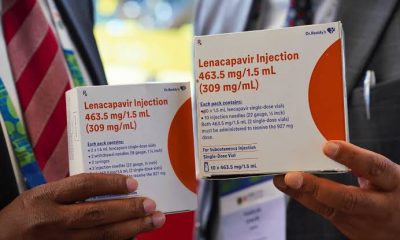
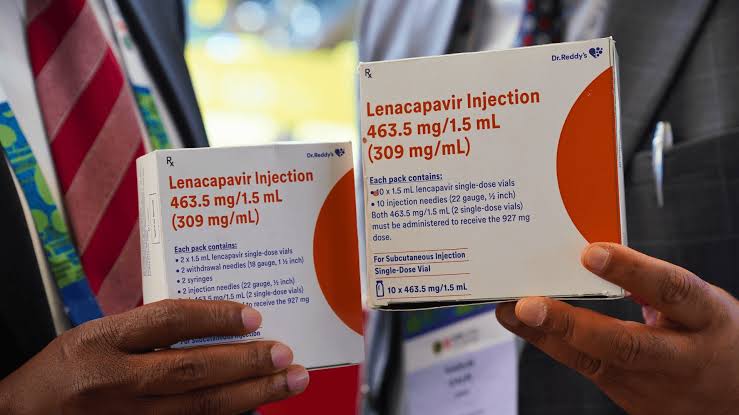
The first generic version of lenacapavir, a twice-yearly injection used to prevent HIV infection, has been given tentative approval by the U.S. Food and Drug Administration (FDA), in a major development for global HIV prevention.
The generic drug which has been developed by India’s Dr Reddy’s Laboratories, and is expected to cost about $40 per person annually, will be made available across 120 low- and middle-income countries, including Nigeria.
The injection has demonstrated near-total effectiveness in clinical trials, offering an alternative to daily HIV prevention pills. The approval is expected to accelerate access to affordable prevention options, although local regulatory processes, funding and distribution remain key to its rollout.
By Michael Lim
The Nigeria Centre for Disease Control (NCDC) has disclosed that the two suspected Ebola cases reported in Yola, Adamawa State, have tested negative following two rounds of laboratory testing.
The Agency noted in a statement that it is working with the Adamawa State Government to investigate the cases, which were isolated and tested.
The NCDC clarified that the index case previously confirmed in the Federal Capital Territory remains the only confirmed Ebola case reported in Nigeria.
It urged Nigerians to remain calm and rely on official government and public health channels for accurate information.
The Agency further advised anyone experiencing symptoms such as fever, severe weakness, headache, muscle pain, vomiting, diarrhoea or unexplained bleeding, particularly after possible exposure, to seek immediate medical attention and provide healthcare workers with relevant travel and contact history.
By Michael Lim
Two individuals have been isolated by health authorities following suspicion that they may be infected by Ebola disease in Nigeria’s North-East region as they are being subjected to investigations and lab tests.
An update on the disease situation by the Nigeria Centre for Disease Control and Prevention (NCDC), said contact identification and listing were ongoing, while samples from the suspected cases were being subjected to laboratory testing.
It clarified that the classification of the individuals as suspected cases did not mean they had tested positive for Ebola, noting that confirmation would depend on laboratory results.
The public was advised to maintain proper hand hygiene, practise enhanced sanitation and follow preventive guidance issued by public health authorities.
The update added that further information would be provided as verified details become available.


PERSPECTIVE: Tiv Leaders Must Hear This: While Akwa Ibom Asked For A Future, Tiv Leaders Fight Over A Man
Spread the loveBy Edward Tion I watched the presidential campaign in Akwa Ibom today with a bleeding heart. Not because...

Pursue Unity, Peace, Play Active Role in Nigerian Politics, Deputy Speaker, Kalu Urges Igbo Elites, Leaders
Spread the loveBy Saint Mugaga Deputy Speaker of the House of Representatives, Rt. Hon. Benjamin Kalu has called on Igbo...

2027: Amupitan Seeks Royal Support, Partnership to Discharge Mandate Peacefully, Effectively
Spread the loveBy Isa Abdul The National Chairman of the Independent National Electoral Commission (INEC), Professor Joash Amupitan, has said...


Place 7-Year Ban On Establishment Of New Tertiary Institutions– Edu Minister Begs NASS
Spread the loveBy Son Tertsea, Abuja The Federal government has appealed to the National Assembly to halt the passage of...

Gov Sule to Security Agencies: Fish Out Sponsors of VP Shettima’s Attackers in Lafia
Spread the loveSDP: attackers APC members against Wadada’s candidacy By Isa Abdul, Abuja Prominent personalities in the state planned and...


Wike’s Entry, Allocation of UniAbuja Land a Breach of Court Order– ASUU
Spread the loveBy Nick Ibe, Abuja The Federal Capital Territory Administration’s (FCTA) allocation of some hectares of land belonging to...


Alleged 4 Herbal Concoction Consumers Die in Benue
Spread the loveBy Vincent Tyosuugh After consuming a suspected poisonous herbal concoction allegedly sold to residents of Oju Local Government...


BENUE APC Split Deepens As SGF, Stakeholders Shun Alia Campaign Flag-off, Disown Campaign List
Spread the loveBy Felix Umande The crisis rocking the Benue State chapter of the All Progressives Congress (APC) deepened on...


Defence Minister Invites Cybersecurity, Drone, DefenceTech Experts for Collaboration with DICN
Spread the loveBy Nick Ibe, Abuja Minister of Defence, General Christopher Musa (rtd) has called on Nigerians with expertise in...


Wike’s Rainbow Coalition Faces Storm Over Alleged Split Voting: VP Shettima, SDP, Ondo APC Reject Coalition
Spread the loveBy Son Tertsea, Abuja Nyesom Wike’s Rainbow Coalition has been identified as a split voting device according to...