
Health
16,000 cases of TB annually confirmed in FCT

….as treatment success rates 94%
By Wumi Tewogbade,Abuja
The Federal Capital Territory (FCT) revealed at the weekend that Abuja has over 16,000 annual burden of Tuberculosis (TB) cases.
FCT Director Public Health, Dr Dan Gasama , stated this at the community outreach in commemoration of 2026 World Tuberculosis Day, organized by the Federal Capital Territory Health Services and Environment Secretariat (FCT-HSES), Stop TB Partnership Nigeria, National Tuberculosis and Leprosy Control Programme (NTBLCP),and other partners, in Abuja.
Gasama added that, the treatment success rate for Tuberculosis (TB) in Nigeria is now 94 percent when detected early.
The theme for 2026 celebrations ‘Yes, we can. We can end TB’.
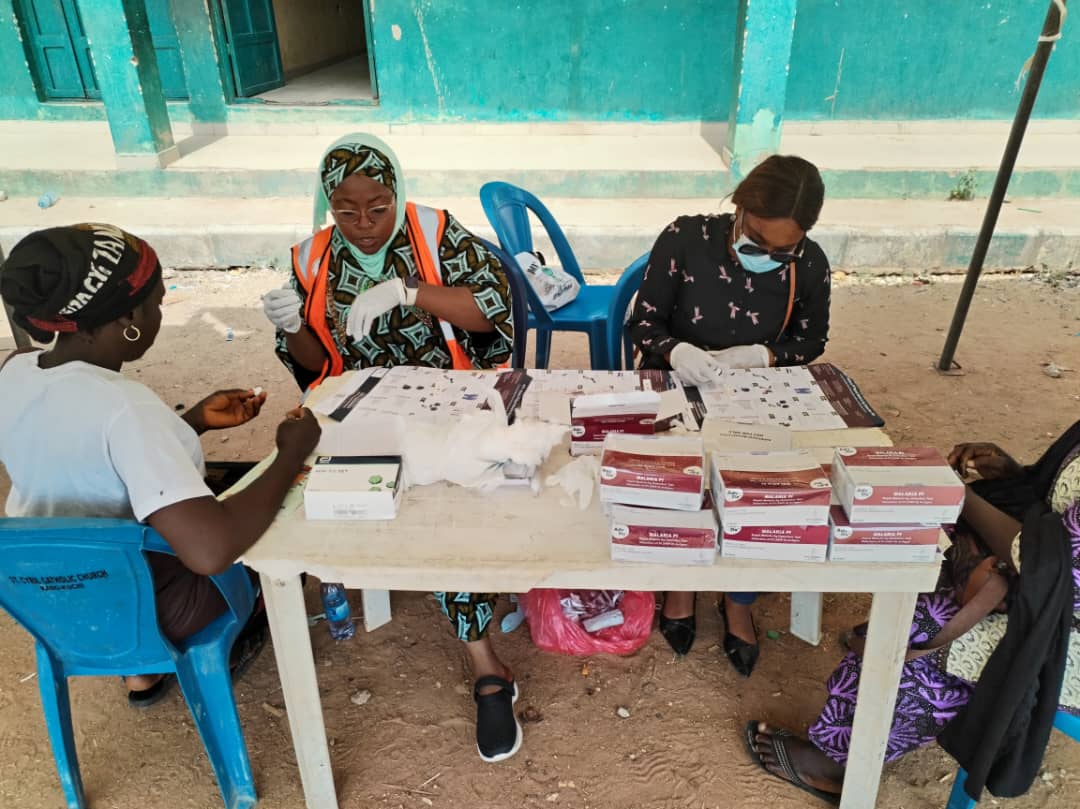
People trooped out in their hundreds from Mabushi community and they were screened and tested for TB, Malaria, etc, and people were given free medications for malaria and some other minor ailments, some were refered to bigger hospitals.
Gasama said, TB remain one of the world’s oldest infectious diseases, and a public health concern globally and nationally, despite being preventable and curable, it continues to claim lives and disrupt families and communities.
He noted, “An estimated 10.7 million people fell ill with TB in 2014, with1.23 million deaths including 150,000 deaths among people with HIV.
“With prevalence of 219/100,000, Nigeria remain one of the countries with high TB burden , and FCT also has estimated annual burden of 16,000 cases.
“The country notified over 467,000in 2025 , the highest ever in our history. Treatment success rate have reached an impressive 94%, demonstrating that when TB is detected early and treated properly, it can be cured .
Additionally TB mortality has been reduced by 63% between 2015 -2024″, Dr. Dan said.
He said in FCT in 2025, FCT-TBLCP recorded it highest achievement to date, over 40,171 presumptive TB clients were identified and screened while 3,679 TB cases were notified the highest in history.
He noted that one of the unique commemorations of this year is the dedication to high-burden communities, where they take the message to their doorsteps.
The in her goodwill message, Dr. Jenny Momoh, who represented Dr. Jibrin Alkasim, the FCT state coordinator for World Health Organisation (WHO), said reiterated the commitment of the world body to eradicating TB completely. Which according to her is visible when countries, communities, and partners unite with purpose and determination.
WHO commended all the health workers and partners for their determination, supports and commitment, that has helped to save lives.
“Despite the challenges, we have seen remarkable advances in diagnostics, treatment options, digital tools, and community‑centered care. Yet millions still face barriers to timely diagnosis and quality treatment. This is why our collective action remains essential. Ending TB requires sustained investment, innovation, and a strong multisectoral response that leaves no one behind”, she noted .
Teresa Jatau, who spoke on behalf of National Coordinator TB network, in her goodwill message said, she is very happy with the turnout of people for the programme.
She reiterated the need for all hands to be on desk in order to completely eradicate TB on Nigeria.
She also remind Nigerians that TB affect children as well, “By collectively working together and collectively amplifying the voices of the community, amplifying the voices of even children. Oftentimes we have conversations about TB, but we neglect the children. But here, we should be reminded that children too are often affected by TB. And so they should be at the center of our conversation”.
She said TB network is committed to continue to do the work at the community level to ensure that everyone gets the information, the correct information, knows where to go to and seek care in case they are tested positive.






By Nick Ibe, Abuja
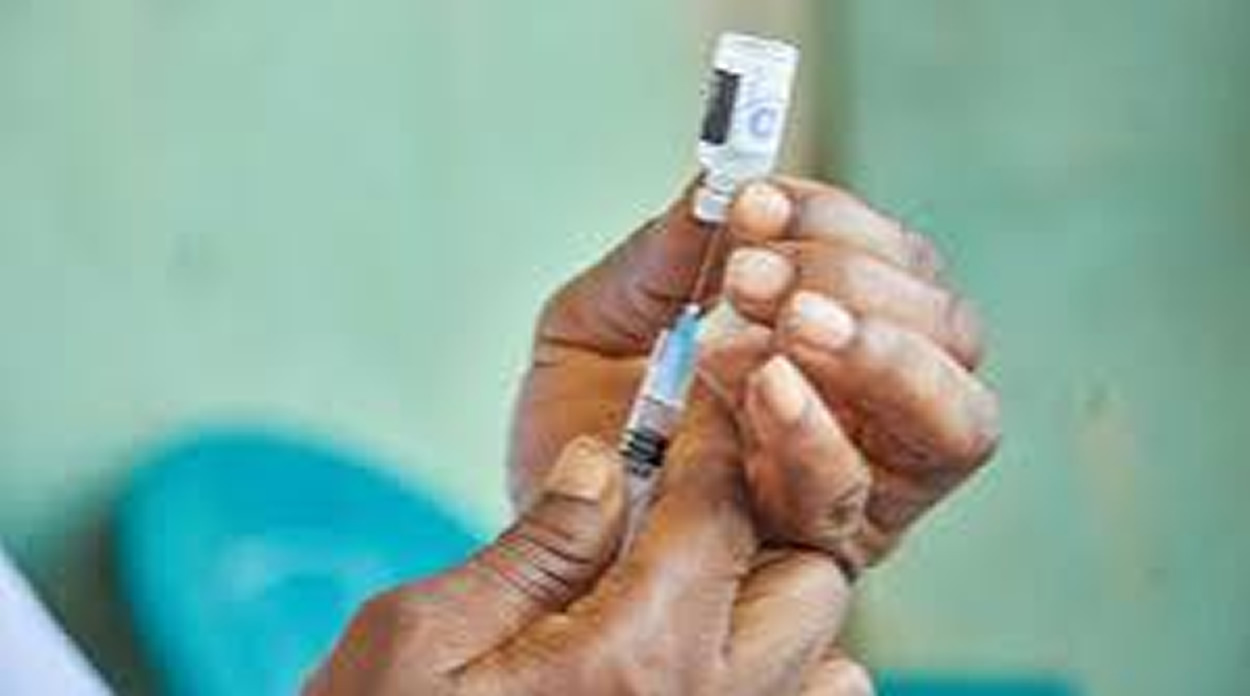
In its intensified efforts to eliminate cervical cancer in Nigeria, the Federal Government said it has vaccinated more than 18 million adolescent girls against the Human Papillomavirus, representing about 76 per cent of its target population, .
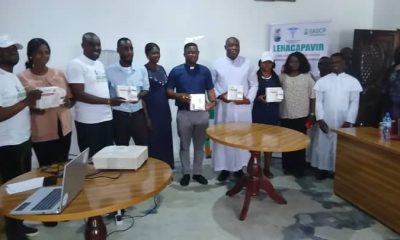
Dr Rufai Garba, the Director of Disease Control and Immunisation at the National Primary Health Care Development Agency, disclosed this on recently at a strategic policy roundtable organised by MSD in partnership with Africa Health Business in Abuja.
The meeting with the theme: “Accelerating Cervical Cancer Elimination in Nigeria: Uniting Public and Private Sectors for Equitable Access,” focused on expanding HPV vaccination, improving access to screening and treatment, and strengthening collaboration between the public and private sectors.
According to Garba, Nigeria has recorded significant progress since introducing the HPV vaccine into its national immunisation programme in October 2023, but stressed that vaccination alone would not be sufficient to eliminate cervical cancer. In her words:
“Today, we are around 76 per cent coverage of our target, but in terms of numbers, we have crossed 18 million adolescent girls, which is equivalent to three countries in Africa.”
Nigeria introduced HPV vaccination into routine immunisation in October 2023, initially targeting 7.7 million girls aged nine to 14 in the first phase. The rollout was supported by Gavi, UNICEF, WHO and other partners, with vaccination subsequently expanded nationwide.
HPV infection is the primary cause of cervical cancer, while vaccination and regular screening are among the key interventions for preventing the disease. WHO’s global elimination strategy sets a 90-70-90 target: 90 per cent of girls fully vaccinated against HPV by age 15, 70 per cent of women screened by ages 35 and 45, and 90 per cent of women with pre-cancer or invasive cancer receiving appropriate treatment.
Recent international estimates indicate Nigeria still carries a substantial cervical cancer burden. The International Agency for Research on Cancer estimated 13,676 new cervical cancer cases and 7,093 deaths in Nigeria in 2023.
Garba explained that the HPV vaccine was available free of charge to eligible nine-year-old girls at public health facilities, while private facilities could provide vaccination to people outside the routine target age.
He said Nigeria recorded about 12,000 new cervical cancer cases annually, with nearly 8,000 women dying from the disease each year.
“We see around 12,000 new cases every year in Nigeria, and we lose close to 8,000 women on a yearly basis. So, that’s how serious it is,” he said.
He added that efforts must extend beyond vaccination to screening, early diagnosis, treatment and follow-up.
“It is not just the vaccination, which NPHCDA does, but also how we are able to get women to screen them, to catch them early, treat them and follow them up till they actually get better,” he said.
The NPHCDA director identified the difficulty of getting healthy nine-year-old girls into health facilities for preventive vaccination as one of the challenges facing the programme.
He said the agency had adopted school-based vaccination, outreach campaigns and other public health initiatives to improve access and coverage.
Garba also called for stronger adolescent-friendly health services, including safe spaces where young people could access preventive healthcare without fear of judgment.
On concerns about vaccine shortages in some states, he said the agency monitored stock levels and consumption through a logistics dashboard, allowing vaccines to be redistributed to states with higher demand.
He said Nigeria’s cold-chain system was strong, noting that solar-powered equipment had been deployed to some primary healthcare centres, although efforts were ongoing to extend the facilities to more locations.
Garba also urged journalists to investigate reports of private health facilities charging patients for HPV vaccines supplied free of charge by the government.
“All of the health facilities that conduct routine immunisation have HPV vaccines. We give them,” he said.
He explained that although the agency lacked enforcement powers, it could withdraw supplies from facilities found to be selling government-provided vaccines.
“We will need you guys to bust that story. Unfortunately, NPHCDA does not have enforcement powers, but what we can do is we can stop giving them vaccines when we find out that they’re selling vaccines that are supposed to be free,” he added.
Meanwhile, the Director of External Affairs for Sub-Saharan Africa at MSD, Vuyo Mjekula, has called for stronger private-sector participation in Nigeria’s efforts to eliminate cervical cancer, saying an integrated approach was needed to sustain gains in vaccination and expand access to screening and treatment.
Mjekula said the policy roundtable was designed to identify practical opportunities for investment, partnerships and coordinated action among government agencies, healthcare providers, civil society organisations and private companies.
She said Nigeria’s HPV vaccination programme had made substantial progress since its introduction, but gaps remained across the wider cancer-care continuum.
“The main thing was, how do we build upon that foundation and even the work of these various task groups? And one of the areas which we believe was a gap or is a gap is we see that there’s a great opportunity for the increased involvement of the private sector,” she said.
Mjekula said private-sector involvement could help mobilise additional resources, improve service delivery and reduce fragmentation across existing programmes.
She advocated integrating preventive healthcare into routine maternal and reproductive health services so women could access screening and other interventions during regular healthcare visits.
“We don’t look at women in a siloed way,” she said.
She also called for private-sector representatives to be included in relevant national cervical cancer task forces, partnerships and technical working groups to strengthen coordination.
Mjekula disclosed that MSD had supported catch-up HPV vaccination for girls up to age 20 who were not covered when Nigeria introduced its national programme.
She also said the company was working with Gavi and UNICEF to promote access to higher-valency HPV vaccines in Africa.
According to her, MSD had invested more than $44m in Nigeria over the past decade through its MSD for Mothers initiative, supporting civil society organisations working in maternal healthcare.
She added that the company was collaborating with City Cancer Challenge in Abuja to identify gaps and develop solutions to improve oncology services.
Also speaking, the Director of Cancer Prevention and Control at the National Institute for Cancer Research and Treatment, Dr Usman Muhammad Waziri, said inadequate awareness, affordability and access to quality healthcare continued to affect cancer prevention and treatment in Nigeria.
Waziri, who represented the institute’s Director-General, Professor Usman Malami Aliyu, said NICRAT was working with government agencies, international partners and other stakeholders to strengthen cancer prevention, research, screening, treatment and palliative care.
He said financial constraints often prevented patients from seeking medical attention early, increasing the likelihood of presenting at advanced stages of the disease.
“Affordability, because when people decide late, even if they go to the best of facilities, the disease will be late-stage,” he said.
Waziri disclosed that the institute was collaborating with the American Association for Cancer Research and other organisations to develop a community cancer communication strategy aimed at improving public understanding of the disease.
He said the initiative would address misconceptions and beliefs that discourage people from seeking appropriate medical care.
“We need to come together, streamline our efforts and standardise the information that goes out. Because most often, it’s not just the information that goes out, but appropriate information that is population- or community-centred,” he said.
On efforts to improve access to early diagnosis, Waziri disclosed that NICRAT had introduced the National Initiative for Cancer Early Detection, Screening and Coordinated Access to Network of Care, known as NISCAN.
According to him, the initiative seeks to make cancer screening more routine for people at risk through standardised national guidelines and a coordinated referral system.
He said the programme was being piloted in the Federal Capital Territory, with suspected cervical cancer cases referred to the Federal Medical Centre, Jabi, for further evaluation and diagnosis.
“Every woman with a suspected cervical lesion will get there and get evaluated to the point of histological diagnosis under one roof. If it is cancerous, she gets connected to treatment. If it is not cancerous, she gets counselled, continuing with follow-up based on national guidelines,” he said.
Waziri said Nigeria was working towards the WHO’s 90-70-90 targets for eliminating cervical cancer as a public health problem by 2030.
He also disclosed that government-led cervical cancer screening had commenced in Imo State, with Niger State next in line for expansion.
“We want to have this cervical cancer rollout reach all the nooks and crannies of the country,” he said.
Waziri further said the Cancer Health Fund, which supports indigent Nigerians seeking cancer treatment, was being implemented in six facilities and covered breast, cervical and prostate cancers.
However, he identified inadequate funding as a major constraint to expanding the programme and reaching more vulnerable patients.
“The funding allocated to the programme is not yet optimal enough to go round and assist the bulk of the populace that is affected, especially the indigent,” he said.
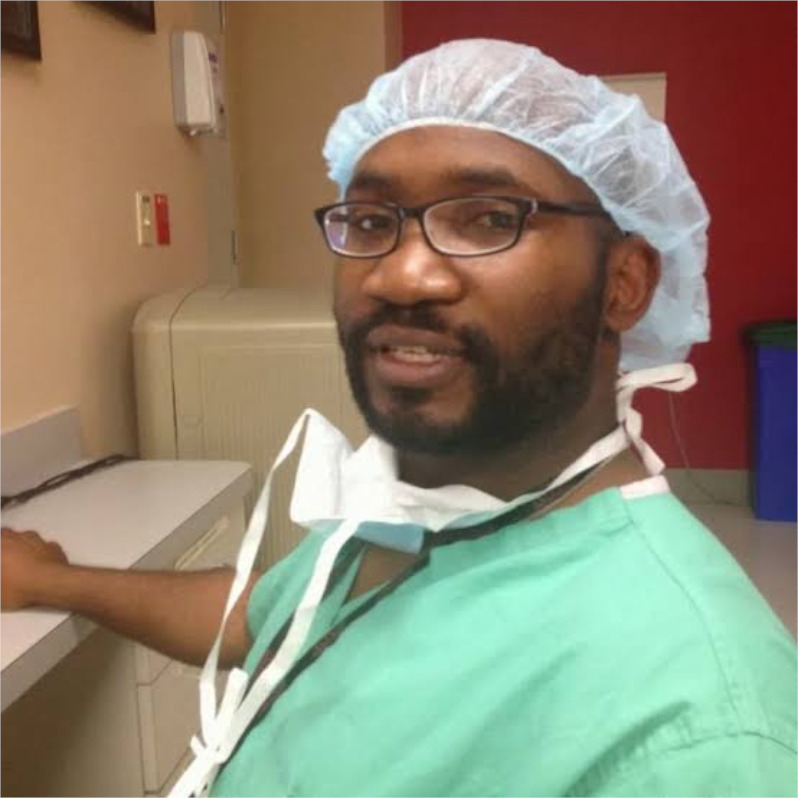
The Professor of urology and transplant surgery has been involved in pioneering robotic surgical programmes in Nigeria and West Africa.
Professor Obi Davies-Ekwenna is the Managing Director of Robo Medics and founder and Chief Executive Officer of RoboMed Global Inc.
Davies-Ekwenna led the team that performed Nigeria’s first tele-robotic surgery, remotely operating on a patient in Abuja from Redeemer’s Health Village in Mowe, Ogun State.
The landmark procedure, announced on Saturday, involved a robot-assisted right radical nephrectomy to remove a kidney affected by a cancerous tumour.
Davies-Ekwenna performed the operation from a Toumai robotic surgical console at Redeemers Health Village, RHV, while the patient remained at Nisa Premier Hospital in Abuja.
The surgical robot at the Abuja hospital was connected to the robotic control system at RHV through an internet connection, allowing the surgeon to operate on the patient remotely.
Robotic surgeon who led the procedure, Prof. Obi Davies-Ekwenna, during Nigeria’s first tele-robotic surgery
The procedure was carried out in real time, with Davies-Ekwenna’s movements transmitted to the robotic system at the Abuja hospital.
Following the surgery, Davies-Ekwenna said the development demonstrated how tele-robotic technology could help overcome geographical barriers to specialist healthcare.
“We were able to operate on a patient in Abuja, 500 kilometres away. We were able to operate on a patient with a kidney tumour, a cancer tumour. And so that was successful,” he said.
He added that the technology could expand access to specialist expertise beyond the location of the surgeon.
“It means access to experts from within and outside the country. Telesurgery can be done from any part of the world with precision, with excellent results,” the robotic surgeon said.
Robotic surgeon who led the procedure, Prof. Obi Davies-Ekwenna, during Nigeria’s first tele-robotic surgery
In a video shared by Redeemer’s Health Village on its Instagram page on Sunday, Davies-Ekwenna was seen thanking members of the medical teams in Abuja, Lagos and Ogun State after the procedure was completed.
He was also cheered by members of the team at the hospital following the successful operation.
Things to know about Obi Davies-Ekwenna
He is a professor and robotic surgeon
Davies-Ekwenna is a Professor of Urology and Transplant Surgery and a robotic surgeon. He is also the founder and Chief Executive Officer of RoboMed Global Inc. and the Managing Director of Robo Medics.
He is a professor at the University of Toledo
He is a Professor and Vice-Chair in the Department of Urology at the University of Toledo in Ohio, United States, where he also serves as Associate Director of the Urology Residency Programme.
Before becoming a professor, Davies-Ekwenna worked as an Assistant Professor of Urology and Transplantation and later as an Associate Professor.
Professor Obi Davies-Ekwenna, the Managing Director of Robo Medics…Photo Credit: YT/ Obi Ekwenna
He has been involved in robotic surgery programmes
Davies-Ekwenna has been involved in the development of robotic surgical programmes in Nigeria and West Africa, including the tele-robotic procedure that connected the medical team in Ogun State with a patient in Abuja.
He trained in urology and transplantation
His professional training includes an abdominal transplantation fellowship at the University of Miami, where he also completed his urology residency.
He obtained his medical degree from the University of Illinois College of Medicine after earning a bachelor’s degree in Biochemistry and Molecular Biology from the University of California, Berkeley.
Professor Obi Davies-Ekwenna, the Managing Director of Robo Medics
He holds professional certifications
Davies-Ekwenna is a Fellow of the American College of Surgeons and a Diplomate of the American Board of Urology.
The surgery
The procedure was a collaboration between Redeemer’s Health Village, RoboMed Global and Nisa Premier Hospital, Abuja.
Tele-robotic surgery, also known as remote surgery, allows a surgeon to operate on a patient from another location using robotic equipment and telecommunications technology.
In the Nigerian procedure, the patient was in Abuja while Davies-Ekwenna controlled the surgical robot from the RHV facility in Ogun State. Medical teams were present at both locations to support the procedure.
The operation marked a new stage in the country’s use of robotic surgery, following the development of RHV’s robotic surgery programme.
Davies-Ekwenna said the achievement was not only about completing one operation but also about developing the capacity to provide advanced surgical care to patients regardless of where they live.
He said the initiative could allow specialists in Nigeria and abroad to provide expertise to patients without requiring them to travel long distances or outside the country.
What next?
Following the successful operation, Davies-Ekwenna said continuous training would be important to sustain the technology.
He disclosed plans for a robotic academy that would train surgeons and other medical professionals, with a target of training at least 150 surgeons within two years.
The procedure brought together medical teams in Ogun and Abuja, with the robotic system enabling Davies-Ekwenna to perform the surgery remotely.
The successful operation could mark a significant development in the use of tele-robotic technology to expand access to specialist surgical care in Nigeria.
Health
Foreign Medical Tourism to Drop as Nigeria Records First Tele-robotic Surgery Success in West Africa
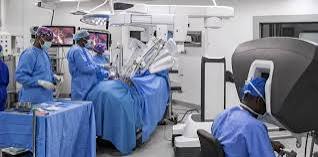
By Son Tertsea
Nigeria’s first tele-robotic surgery on September 20, 2026 at the Redeemer’s Health Village (RHV), in collaboration with RoboMed Global and Nisa Premier Hospital, performed could be the opening of a new chapter in Nigeria’s medical tourism.
The News Agency of Nigeria (NAN) reports that the surgery was performed in real time on Saturday from a Toumai console at RHV on a patient at Nisa Premier Hospital, Abuja.
The procedure was a telesurgery-assisted, robot-assisted right radical nephrectomy performed to remove a kidney affected by a cancerous tumour.
According to specialists, Tele-robotic surgery, also known as remote surgery, is a technique that enables a surgeon to perform an operation on a patient from a completely different physical location.
Speaking after the surgery at RHV, Prof. Obi Ekwenna-Davis, Professor of Urology and Transplantation, who led the surgery, explained the medical condition of the patient.
He said the procedure demonstrated that telesurgery could be safely performed on patients in different parts of Nigeria and the world.
Ekwenna-Davis, Co-Founder of RoboMed Global, said the development was a significant achievement for RHV and its partners.
“Distance should never decide who receives safe surgery; this is what safe and trusted surgery looks like,” he said.
The U.S.-based surgeon said the patient was in good condition and expected to be discharged within 24 hours.
He said the procedure lasted about three hours, with brief stoppages to ensure that the equipment and systems functioned properly.
Ekwenna-Davis said the collaboration was significant as it marked the first time two hospitals in different parts of Nigeria successfully collaborated to provide surgical care to a patient.
He maintained that sustainability of the initiative would depend on continuous training, adding that a robotic academy would soon be established to train surgeons and other medical professionals.
According to him, the academy aims to train at least 150 surgeons within the next two years.
Ekwenna-Davis said the programme had the support of the Minister of Health and other government institutions, while calling for additional support from private and non-governmental organisations.
Dr Adedamola Dada, Chief Executive Officer, RHV, added that the development marked the first telesurgery in West Africa.
Dada said RHV was established to promote innovation and provide world-class healthcare services at affordable costs.
“What has happened today is a demonstration that Nigerians can access modern healthcare without travelling abroad,” he said.
He said the initiative was not primarily profit-driven but aimed at demonstrating what modern healthcare could offer Nigerians, in line with the vision of the General Overseer of the Redeemed Christian Church of God.
Dada said the achievement had positioned the hospital as a gateway through which specialist skills could be applied on patients across Nigeria.
He said the introduction of robotic surgery and telesurgery at RHV was aimed at reducing medical tourism and improving access to complex surgical procedures within the country.
The CEO said measures had been put in place to address possible connectivity challenges through the use of reliable networks.
He explained that weather conditions could sometimes affect connectivity, while the quality of equipment and availability of skilled personnel were also critical to the success of telesurgery.
Dada said the hospital was establishing a robotic academy in collaboration with RoboMed Global to train doctors, surgeons, nurses, biomedical engineers and product specialists.
He urged the government to support and sponsor medical professionals interested in acquiring robotic surgery skills.
“My message to government is to support and sponsor Nigerians, the surgeons, the nurses, the biomedical engineers who would want to come and do this training here.
“They can award scholarships to them so that within two to three years, Nigeria will have a lot of professionals who are capable of performing robotic surgery,” he said.
Dr Ibrahim Wada, Chief Executive Officer and Founder, Nisa Premier Hospital, said the facility had been a centre for robotic surgery in West Africa since November 2025.
“Today, our patient received specialist surgical expertise from across the country without leaving Abuja. This is what becomes possible when Nigerian institutions decide to build together,” Wada said.
Also, Dr Kunle Onakoya, Chairman, Board of RHV, described the development as historic and urged participants to recognise their roles in creating a milestone for Nigeria.
NAN reports that RHV, a faith-based 300-bed multispecialty hospital established by the Redeemed Christian Church of God, played a key role in attaining the medical feat.


Only Deaf, Dumb, and Blind Can Tell Us He’s not Hearing the Truth About Nigerians’ Suffering –Cardinal Onaiyekan
Spread the loveBy Son Tertsea, Abuja Cardinal John Onaiyekan has explained why the reactions to his interview with Arise TV’s...

Nigeria Fighting Cervica Cancer: 18 Million Girls Vaccinated
Spread the loveBy Nick Ibe, Abuja In its intensified efforts to eliminate cervical cancer in Nigeria, the Federal Government said...

Bauchi Govt: Minimum Pension Now N32,000, Pays Gratuities To 2012, 2013 Retirees
Spread the loveBy Michael Lim As part of effort to reduce the huge backlog of gratuities, the Bauchi State government...

Nigeria’s Overall Best Teacher From Ogun Shows: Where You Start in Life Does Not Matter
Spread the loveBy Seyi Balogun, Lagos The emergence of Nigeria’s Overall Best Teacher for 2026 at the Federal Government’s President’s...

Wike Orders: Remove Illegal Structures, Stop Unauthorised Commercial operations
Spread the loveBy Isa Abdul, Abuja Wike has ordered the immediate enforcement of operations against unauthorised commercial activities and illegally...


Three Nigerian Sisters Commit Suicide in UK to Mark Their Mom’s Death?
Spread the loveBy Son Tertsea That question may never be fully answered as three British-Nigerian sisters who drowned off Brighton...

Bleaching: How Nigerians Risk Their Liver, Kidney for Fair Skin
Spread the loveIn this report, VICTOR AYENI, examines how the pursuit of lighter skin drives some Nigerians to swallow handfuls...

Nasarawa Tiv Chieftaincy: Alago Says No, What Says Gov Sule?
Spread the loveBy DOOIOR PETER Governor Abdullahi Sule has finally told the Tiv people why, after years of promises, a...


Again, El Rufai Loses Bail Bid: Appeal Court Says Lower Court Acted Within its Judicial Discretion
Spread the loveBy Isa Abdul, Abuja Former Kaduna State Governor, Nasir El-Rufai, has lost his appeal challenging the refusal of...

Benue’s Mbatan Community: Child Night Crawlers Get Cane Strokes; Hemp Dealers Fined N50k, N200k, Face Banishment
Spread the loveBy Felix Umande The Mbatan Traditional Council in Gboko Local Government Area of Benue State has banned children...