
Politics
Obi dumps LP, joins ADC, calls for national unity

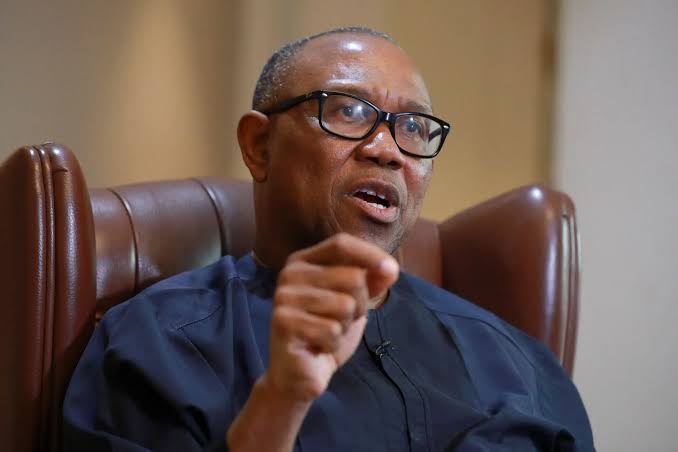
Former Labour Party presidential candidate, Peter Obi, Wednesday denounced his membership of the LP and reaffirmed his membership of the national coalition under the African Democratic Congress (ADC).
He urged Nigerians to unite across political, ethnic, and religious lines to rescue the country from worsening socio-economic hardship and democratic decline.
Obi made the declaration at a gathering at Nike Lake Hotel, Enugu, which drew prominent leaders, former governors, legislators, youth, and women leaders.
The event was anchored by sen. Victor Umeh who masterfully explained the purpose and import of the gathering, with Chief Simeon Okeke serving as chairman. Chief Okeke highlighted Enugu’s historical significance as the capital of the old Eastern Region, calling on Igbos to ensure that the message of unity and progress was carried forward.
Obi told the gathering that Nigeria had reached a defining moment that required clarity of purpose, courage, and decisive collective action. He said that as 2025 comes to a close, the country must embark on a new struggle for true independence, founded on self-determination, human equality, and national reunification. He criticized a small political elite for capturing state institutions and diverting them from serving the Nigerian people, noting that many former beneficiaries of democratic governance had become complicit in electoral injustice and the erosion of democratic norms.
He warned that any attempts to manipulate or rig future elections would be resisted through lawful and legitimate means, stressing that the will of the Nigerian people is sacrosanct and non-negotiable. Obi called for urgent reforms of the electoral process, including strengthening the Independent National Electoral Commission (INEC), strict adherence to electoral laws, transparent transmission of results, and credible elections in 2027 as critical steps toward restoring public trust and responsive governance.
Describing Nigeria as a nation in grave distress, Obi cited widespread poverty, youth unemployment, insecurity, and deepening disunity as evidence of governance failure. He noted that over 130 million Nigerians live in multidimensional poverty, while millions of young people remain unemployed, fueling frustration and despair. Despite these challenges, he remained optimistic that Nigeria could be transformed into a functional, productive, and inclusive nation.
Obi argued that Nigeria’s fundamental problem is not a lack of human or natural resources but a failure of leadership and unity. He condemned a political class that thrives on division, rewards mediocrity, and feeds on corruption, stressing that ordinary Nigerians are neither lazy nor incompetent but constrained by a system rigged against merit and hard work. Drawing comparisons with Rwanda and Indonesia, he highlighted how nations with fewer resources had achieved remarkable socio-economic progress through honest leadership, national consensus, and effective resource management.
Obi also criticized current fiscal policies, particularly ongoing controversies surrounding tax laws, arguing that taxation should enrich citizens rather than deepen poverty. He warned that taxing poverty undermines national unity and fails to create wealth for the people.
The gathering witnessed a strong show of support from political and community leaders. High Chief Ben Obi emphasized that extensive consultations across the country had revealed the urgent need for credible leadership, describing the formation of a new Igbo political block as a patriotic mission to rescue the nation from callous leaders.
Victor Umeh announced that all Labour Party members, including Obi, had formally resigned to join the ADC. Emeka Ihedioha moved a motion for all National Assembly members present to follow Obi into the ADC, seconded unanimously by Prof. Osita Ogbu.
Sen. Enyinnaya Abaribe there and then announced his resignation from APGA, pledging loyalty to Obi, while Aisha Yusuf declared her intention to become a card-carrying member of the ADC for the first time, inspired by Obi’s leadership.
Chief Onyema Ugochukwu, who was present, expressed his desire that Mr. Peter Obi become the presidential candidate of the ADC. “I am one of the old men who feel it is time to give room to younger people,” he said.
Many people representing various groups also spoke. The youth leader, Chinonso Obasi, added: “Today is a day that the Lord has made. With the youth actively involved, the movement will be essentially driven by young Nigerians.”
Speaking on behalf of women, Josephine Anineh emphasized that leadership vacancies in Aso Rock would soon open and that Peter Obi was best placed to occupy them.
Former Senate President H.E. Sen. David Mark, and Chairman of the ADC, highlighted the party’s founding principles of equality, justice, and progressiveness, praising the South-East’s support and pledging that the party would uphold internal democracy, respect its members, create jobs, and provide productive and inclusive leadership.
The event marked a decisive step toward national unity and transformation, with all speakers referring to Obi as their leader. Former governors, legislators, and community leaders publicly pledged their support, signaling a unified front to rescue Nigeria from ineffective governance and promote credible, youth-driven leadership.
The event also attracted a wide array of prominent political leaders, statesmen, and movement representatives. Among those present were former Senate President David Mark; Chief Simeon Okeke; Peter Obi; former governors Achike Udenwa and Sam Egwu; Okwesilieze Nwodo; Senator Aminu Tambuwal; High Chief Ben Obi; Emeka Ihedioha; Senator Enyinnaya Abaribe; Professor Oserheimen Osunbor; Sen. Victor Umeh; Chief Ralph Nwosu; Dr. Josephine Anineh; Sen. Tony Nwoye; Hon. Afam Ogene; Sen. Gilbert Nnaji; Chief Onyema Ugochukwu; Hon. Idu Emeka; Hon. Peter Aniekwe; Hon. Oby Orogbu; Hon. Nonso Smart; Barrister Chinedu Idigo; Prof Chinyere stella Okunna, Chief Fidel Okafor, Hon. Barr. Joe-Martins Uzodike, Prof. Patrick Obi, Hon. Onyeanwuna Ezeani and Prof. Pat Utomi, as well as representatives of the Obidient Movement, led by Dr. Yunusa Tanko, among many others that spilled outside the hall. Their presence underscored the broad-based nature of the coalition and the growing national consensus around Peter Obi’s leadership and the ADC-led movement for democratic renewal.




NDC Accuses APC of Political Intimidation, Govt Says Allegations Are “Unfounded”
By Felix Umande
The convoy of Nigeria Democratic Congress (NDC) Presidential Candidate, Mr. Peter Obi, was attacked in Makurdi on Tuesday, September 8, 2026, as he visited Benue State to commiserate with victims of the 2025 attacks in Yelewata, Guma Local Government Area.
The Benue State Government has, however, denied any involvement, describing the allegations as “unfounded.”
According to the NDC Benue State Chapter, “a handful of thugs attacked his convoy, throwing stones and chanting slogans including ‘Obi should go back,’ ‘Tinubu must stay,’ and ‘No Alia, No Benue.’”
The party said the incident occurred while Obi was in the state capital to identify with victims of recent attacks. It also claimed that relief materials worth “billions of naira” brought by Obi were looted by hoodlums during the incident.
The NDC condemned the attack as “senseless, unacceptable, and a disturbing indication of the growing intolerance toward opposition voices in the State.” The party linked it to what it called the government’s failure to adequately address security challenges, including persistent attacks by armed groups suspected to be Fulani militias.
Reacting to the incident, Peter Obi said he was not in Benue “to cause chaos but to sympathize with victims of the attacks and identify with their pain.” He described the attack as an infringement on his fundamental human rights, especially with political campaigns now declared open by INEC.
Obi appealed to supporters to remain calm and shun reprisals. He described the action as “a sign of nervousness” by the APC ahead of elections, and expressed confidence that the NDC would prevail.
NDC Governorship Candidate, Prof. Terhemba Shija, also condemned the attack and warned against acts capable of provoking tension.
NDC State Chairman, Mr. Ohini Ojegbe, urged Benue people to reject political intimidation, reaffirming that the NDC is anchored on “rule of law, justice, accountability, inclusion, and service to the people.”
The party has called on security agencies to investigate and bring those responsible, as well as any sponsors, to justice.
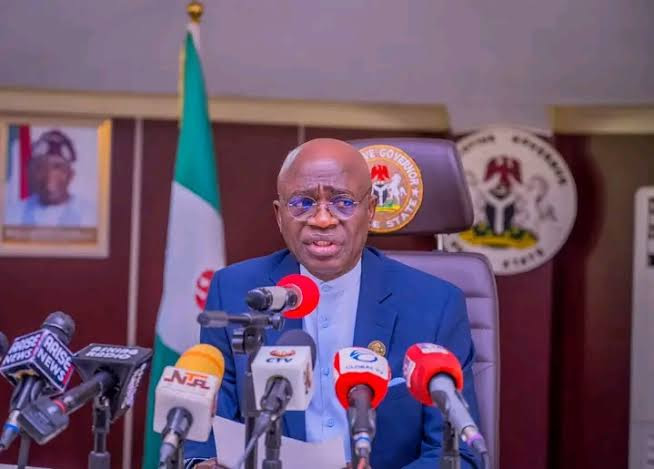
In a swift response, the Benue State Government, through Chief Press Secretary Sir Tersoo Kula, rejected the claims “in the strongest terms.”
“We wish to emphatically deny that the government of Rev. Fr. Hyacinth Alia has an idea of what Mr. Obi is talking about,” the statement said. It described the allegations as “a desperate attempt to drag Governor Hyacinth Alia and the Benue people into what may be an internal political matter within the NDC.”
The government said Governor Alia “is averse to the promotion of thuggery” and does not “engage, patronize, or deploy thugs.” It added that security agencies, not thugs, are responsible for handling threats.
The statement also questioned Obi’s visit, saying it was “curious that an individual presenting himself as a presidential candidate could arrive in a state without the relevant security authorities being formally informed.”
“We therefore urge the public to disregard the allegations linking the State Government to any incident that happened around the NDC Presidential candidate, Mr. Peter Obi,” Kula stated. “Benue remains open to legitimate visitors, political actors and all Nigerians who come in peace.”

Ortom, Aondoakaa Rally Zone C for PDP, Accuse Alia Govt of Neglect
By Felix Umande
Otukpo, the capital of Benue South Senatorial District, came to a standstill on Saturday as the Peoples Democratic Party (PDP) officially flagged off the campaign of Senate Minority Leader, Senator Patrick Abba Moro, for the 2027 senatorial election.
The event at St. Andrew’s Primary School Field drew an overwhelming crowd of supporters, party leaders, and defectors from other parties, which the PDP described as a “powerful expression of unity, hope, and determination.”
In a statement, the Benue PDP commended the turnout, saying it reflected the people’s desire for “purposeful representation, responsive leadership, accountability, and meaningful development.”
State Chairman, Rt. Hon. Ezekiel Awulu Adaji, who presented party flags to Senator Moro, four National Assembly candidates and eleven State Assembly candidates, commended party leaders including former Governor Chief Samuel Ortom, Governorship Candidate Chief Michael Kaase Aondoakaa, SAN, and other stakeholders for strengthening the party’s resolve for an “issue-based, peaceful, and inclusive” campaign.
Senator Moro said his re-election bid was a “renewed commitment to the people” and not just a quest for another term. He accused the Alia-led administration of failing Zone C despite receiving over ₦35 billion monthly from the Federation Account in the last three years.
“The Alia-led administration has completely failed the people of Benue South Senatorial District,” Moro said, challenging the government to provide factual evidence of its achievements.
He listed his record in the Senate, including sponsoring about 16 bills, moving 16 motions, and attracting projects to all nine local government areas in Zone C.
Former Governor Chief Samuel Ortom urged voters to unite behind Senator Moro and all PDP candidates.
“This election is an opportunity to choose credible leadership, progress, accountability, and meaningful development. Let us stand united, support our candidates, and cast our votes for the party that represents our collective hopes and aspirations,” Ortom said.
PDP Governorship Candidate, Chief Michael Kaase Aondoakaa, SAN, who appeared with running mate Dr. Oyije Ochaekiti Ogbenjuwa, described the PDP as the team committed to good governance and development. He lamented the neglect of Zone C under the current administration despite “unprecedented resources” and assured that a PDP government would address the zone’s needs in 2027.
A major highlight of the rally was the defection of members of the All Progressives Congress (APC) and other parties to the PDP. They unanimously adopted Senator Moro as their consensus candidate for 2027.
Prominent APC chieftain in Zone C, Barrister John Ochoga, also defected to the PDP with his supporters.
Other dignitaries present included PDP Senatorial Candidates for Benue North-West, Dr. (Mrs.) Eunice Ortom, and Benue North-East, Hon. Thomas Tyolumun Unongo, as well as members of the State Executive Committee.
The PDP said the massive turnout “has sent a strong message that the PDP is ready, the movement is growing, and the journey to victory has begun.”
Politics
‘Exclusion of Tiv on Tinubu’s Campaign Council’ Deliberate, Says Hembe, Benue ADC Gov Candidate
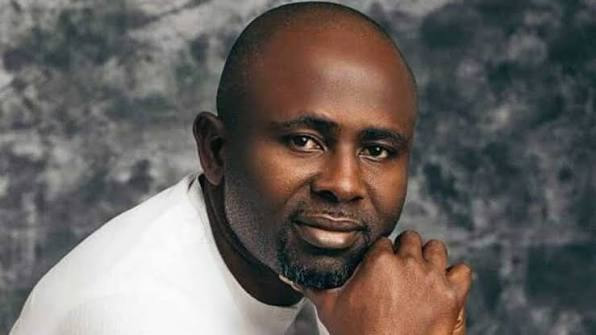
By Vincent Tyosuugh
African Democratic Congress (ADC) 2027 governorship candidate in Benue State, Rt. Hon. Herman Hembe, has kicked against the exclusion of the Tiv ethnic group from the presidential campaign council of the All Progressives Congress (APC).
This reaction trails the All Progressives Congress, Saturday release of the complete membership list of its 2027 Presidential Campaign Council without any member of the Tiv race, the highest in the Middle and the fourth most populated ethnic group in Nigeria.
Only three people from Benue State made the list. The three are former President of the Senate, Ameh Ebute; former Deputy Governor of the state, Steven Lawani; and Comrade Okpokwu Ogenyi.
According to a statement issued by the Hembe/Abba Gubernatorial Campaign Organisation, signed by Sir Peter Vande, which was made available to newsmen on Sunday night, said the development was a deliberate political decision.
The statement read in part:
“The recent release of the presidential campaign council list by the Tinubu APC has exposed a deliberate and calculated exclusion of the Tiv people from national reckoning.
“This is not an oversight. This is a message, and every Tiv person, every Benue son and daughter, must read it correctly. There will be no room for the Tiv if, God forbid, Tinubu is declared winner.”
The organisation said the Tiv people had contributed significantly to Nigeria’s unity and development and should not be treated as an afterthought in national political calculations.
“We are the fourth-largest tribe in Nigeria. We have shed blood for the unity of this country. We are, and have always been, a beautiful tribe that deserves to be courted diligently, not a bystander invited only when convenient.”
The statement, however, said the Tiv people should not be likened to someone seeking attention where none existed, stressing that the Tiv as one of Nigeria’s major ethnic groups deserved to be deliberately courted in the nation’s political process.
It further argued that the exclusion of Tiv APC members from the presidential campaign council should concern every serious-minded Tiv person and questioned whether the Tiv people could expect adequate representation in government if President Bola Tinubu wins the 2027 election.
The organisation said its governorship candidate, Herman Hembe, remained committed to the welfare, security and political interests of the people of Benue, adding that fair representation should be a major consideration in determining political loyalty and electoral support.
Hembe used the opportunity to urge the people of Benue to back the African Democratic Congress’ presidential candidate, Alhaji Atiku Abubakar, who he described as a politician familiar with the concerns of the Tiv people.
The organisation said an Atiku/Amaechi administration would restore the Tiv and Benue people to what it described as their rightful position in Nigeria’s political affairs, while also claiming that Atiku had better plans for improving the lives of Nigerians.
Similarly, the All Progressives Congress in the state has decried the exclusion of the Tiv ethnic group from the party’s presidential campaign council.
Daniel Ihomun, the state publicity secretary of the Agada-led faction loyal to the Secretary to the Government of the Federation, Senator George Akume, who spoke to our correspondent on Monday, argued that the majority of members who made the list, especially those from the North-Central, were Muslims.
He said, “We, the party in the state, are not happy with the list released in the President Bola Tinubu Campaign Council because Tiv people are excluded from the list.
“There are so many Muslims on the list, especially in North-Central. The former Director-General of the Tinubu campaign in 2023 was not on the list. We Christians are not happy; we have been shortchanged.
“With the Tiv population in Nigeria, you cannot neglect us like that. We contributed to Tinubu’s victory in 2023; it’s like we have been neglected.
“With what has happened, the President is making the job (campaign) difficult for us.”



Mother Subjects Daughter to Abuse, Admits: “I made $300 from my 8-yr-old daughter’s pornographic video’
Spread the loveBy Nick Ibe The viral video on the social media involving an 8-year old girl whose ordeal was...
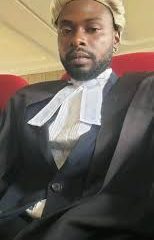

Lawyer Assaulted by Police: NBA Gboko Branch Secures N500 Million General and Exemplary Damages in Makurdi Court
Spread the loveBy Our Reporter In the pursuit of justice for a colleague, B. B. Iliamkondo, Esq., who was recently...
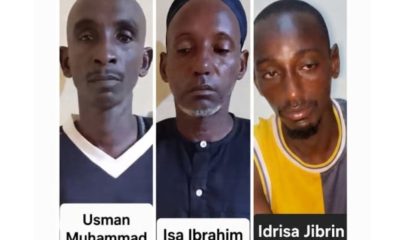

Alia Denounces Ayilamo Attack, Commiserated With Victims as DSS Arrests 3 Suspects
Spread the loveBy Felix Umande Governor Hyacinth Alia of Benue State has strongly condemned the deadly attack on Ayilamo Community...

Alia Condemns Ayilamo Attack, Commiserates With Victims, As DSS Arrests 3 Suspects
Spread the loveBy Felix Umande Governor Hyacinth Alia of Benue State has strongly condemned the deadly attack on Ayilamo Community...


FG, States, Be warned We Will Strike, Without Warning –ASUU
Spread the loveBy Nick Ibe, Abuja Without urgently resolving all the pending salary and welfare issues, by the Federal Government...
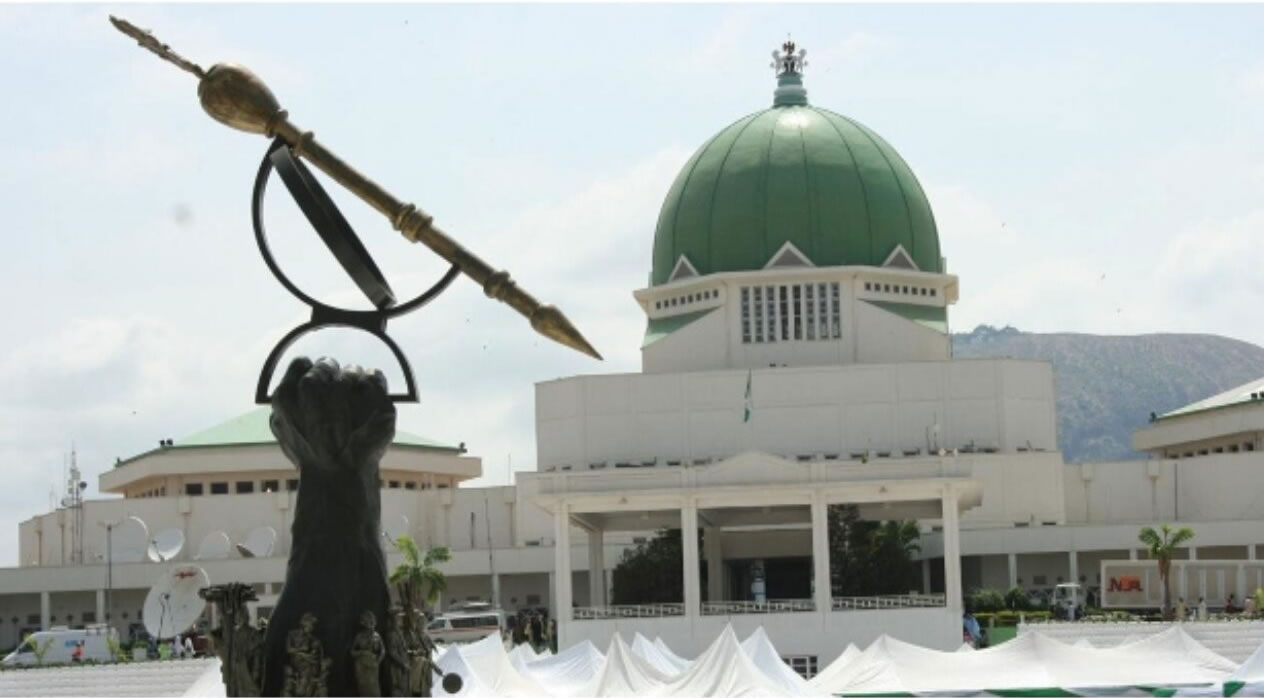
Protest Against Xenophobia: NASS Orders Boycott of South African Organised, Hosted Legislative activities
Spread the love–Calls on State Assemblies to join By Isa Abdul, Abuja In a bold move against South Africa’s xenophobic...
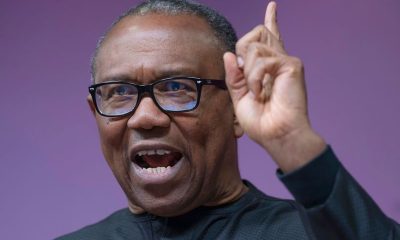

Why Education is Dear to Me – By Peter Obi
Spread the loveAfter returning to Abuja on 8th September 2026, following our visits to Benue and Plateau States, I travelled...
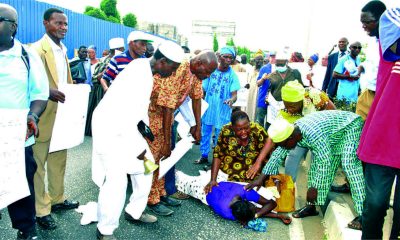

After Two Decades: FG Pays 2,700 ex-Nigeria Airways Staff N18bn
Spread the loveBy Son Tertsegha, Abuja Over two decades after the national carrier, Nigeria Airways, was liquidated, the Federal Government...

To Boost Sch Enrollment: Nasarawa Plans Mobile Courts To Arrest, Prosecute Parents Of Out Of School Children
Spread the loveBy Michael Lim, Jos As part of measures to tackle the growing number of out-of-school children in Nasarawa...

Akume to Religioud Leaders Make Peacebuilding Part OF National Security Ahead of 2027
Spread the loveBy Felix Umande The Secretary to the Government of the Federation, Senator Dr. George Akume, CON, on Wednesday...