
Health
FG To Equip Ebola Treatment Centres Nationwide As Contacts Rise To 53, Approves N100,000 Weekly Support.

By Felix Umande
The Federal Government is planning to identify and equip Ebola treatment centres in states with designated ports of entry as the number of contacts linked to Nigeria’s confirmed case rises to 53.
The measure is part of efforts to strengthen preparedness against possible spread, with government assessing isolation capacity at the University of Abuja Teaching Hospital, UATH, and planning infection prevention and control, IPC, assessment at Karu General Hospital.
According to an Ebola situation report obtained on Sunday, authorities are also working to establish referral mechanisms for suspected cases, strengthen surveillance at ports of entry and improve capacity of healthcare facilities to manage infections.
The report stated that UATH had undergone needs assessment and optimisation for isolation and treatment, while IPC assessment was planned for Karu General Hospital to determine capacity for possible surge.
“The measures are aimed at ensuring that suspected Ebola cases can be identified, isolated and referred promptly, including in states that may need to respond to infections detected at international entry points,” the document stated, listing “identification and optimisation of treatment centres in states with designated POEs” and referral from point of detection to treatment centres as priorities.
The development comes as the Nigeria Centre for Disease Control and Prevention, NCDC, approved emergency payment of N100,000 per person weekly to support people in isolation or quarantine.
NCDC Director-General, Dr. Jide Idris, disclosed this during a press briefing on Sunday, saying the payment was introduced after complaints about cost of feeding, accommodation and family upkeep.
“We are paying for their accommodation; we are paying for their feeding. Some of them are asking for a stipend to maintain their families. We are providing N100,000 per person per week just to maintain their comfort and feeding, because they were complaining,” he said, noting it was not initially planned but necessary as emergency response.
Idris stressed that responsibility should not rest on FCT alone, urging states to prepare resources for contact tracing, isolation and surveillance.
According to the situation report, 53 contacts have been identified, line-listed and categorised, up from 44 initially announced. Of the 53, 44 are associated with the health facility where the patient was treated, while nine include household members and those who attended to her during earlier emergency visit.
NCDC is also tracking secondary contacts and monitoring daily, with anyone symptomatic to be assessed promptly. One contact who felt unwell tested negative.
The agency said genomic sequencing of the confirmed case has been completed by the NCDC National Reference Laboratory and African Centre of Excellence for Genomics of Infectious Diseases, with plans to share report and position additional reagents across national laboratory network.
IPC capacity assessments have been conducted across states, with plans to implement IPC ring strategy across concentric perimeters to strengthen screening and isolation. The national stockpile of personal protective equipment has been increased, with 500 donated testing kits incorporated.
Port Health Services has conducted in-depth investigation with aviation stakeholders, while enhanced surveillance at all ports of entry continues.
The confirmed case involves a woman who travelled to Nigeria after visiting Uganda, following a trip to Democratic Republic of Congo. She developed symptoms on October 7, sought care in Abuja on October 11 and tested positive for Bundibugyo strain on October 20.
The World Health Organisation said investigations continue to establish likely source of infection. NCDC urged Nigerians to remain calm, observe preventive measures and avoid stigmatising contacts.


By Nick Ibe, Abuja
Dr Mohamed Janabi, the World Health Organisation’s (WHO) Regional Director for Africa, says Nigeria currently has no Ebola case following the medical evacuation of the patient and her husband to Switzerland.
Janabi said this in a statement on his official X handle on Monday, adding that Nigeria would continue monitoring the 52 contacts, while Switzerland would manage the patient and follow up with her husband.
He said the lone patient and her husband are Swiss and their evacuation took place Monday morning.
The patient was clinically stable enough for the journey after Nigerian medical teams successfully managed her through the acute phase of the illness.
Janabi added that the development was a remarkable achievement by the Federal Government, health workers, clinicians, emergency responders and other partners involved in the Ebola response.
He congratulated Nigeria for the successful management of the patient which was a demonstration of Africa’s expertise, resilience and leadership in public health, particularly when countries worked together to respond to health emergencies.
The WHO regional director however warned that vigilance remained critical despite the evacuation, urging continued attention to contact monitoring and other response measures.
He said while Nigeria would maintain close follow-up of the 52 contacts, Switzerland would assume responsibility for the continued management of the patient and monitoring of contact number 53, her husband.

By Philip Nyam
The House of Representatives at plenary on Wednesday passed through second reading a bill seeking for an Act to establish a comprehensive framework for deceased organ and tissue donation and transplantation in Nigeria, while protecting donors, recipients, families and the integrity of the transplantation system.
The proposed legislation titled, “Bill for an Act to Establish a National Deceased Organ and Tissue Donation Program for the Federal Republic of Nigeria; to Provide for the Identification, Referral, Authorisation, Recovery, Preservation, Allocation and Transplantation of Organs and Tissues From Deceased Persons; to Establish the National Organ Donation and Transplantation Authority; to Provide for the Determination of Death for the Purposes of Deceased Donation; to Promote Equitable Access to Transplantation; to Prohibit Organ Trafficking, Transplant Tourism and Commercial Dealings in Human Organs and Tissues; and for Related Matters,” was sponsored by the Deputy Speaker, Rt. Hon. Benjamin Kalu and six other lawmakers.
Leading the debate on its general principles, one of the co-sponsors Hon. Patrick Umoh noted that organ and tissue donation represents one of medicine’s most profound possibilities, that the end of one life may offer the chance of renewed life to another.
He said this possibility carries significant legal, ethical and medical responsibilities, hence Nigeria’s transplantation system requires a clear and coordinated legal framework governing consent, death determination, organ recovery, allocation, transplantation, tissue banking, safety and oversight.
According to him, in the absence of such a framework, vulnerable persons may be exposed to exploitation, while public confidence in donation may be undermined.
He therefore said that the Bill provides that framework by establishing appropriate regulatory structures, ensuring equitable access, strengthening patient safety and expressly prohibiting the commercialisation and trafficking of human organs and tissues.
He explained that recovered organs are to be allocated through a National Organ Allocation and matching system and the national waiting list, stressing that allocation cannot be based on wealth, political influence or other non-medical considerations; inability to pay alone cannot remove a person from the waiting list.
The lawmaker said, “This Bill which seeks to establish a national framework for deceased organ and tissue donation and transplantation that is ethical, equitable, safe and transparent, while preventing organ trafficking and commercialisation contains 172 Clauses divided into 16 Parts and 3 Schedules. Creates a nationwide legal and regulatory structure covering the full deceased-donation pathway—from donor identification through transplantation.
Dedicated Authority: Establishes a National Deceased Donation and Transplantation Authority as the principal national regulator and coordinator, with headquarters in Abuja and progressive zonal structures.
“Explicit consent: Donation is voluntary and requires lawful authorization. The Bill expressly rejects presumed consent/opt-out donation. First-person choice: An adult with legal capacity may authorize donation, and a valid First-Person Authorization remains effective despite family objection.
Binding refusal: A valid refusal is legally binding and must prevent recovery contrary to that refusal. Donation cannot be the reason for declaring death. Death determination is independent of transplantation, with independent confirmation requirements.
“The Bill provides for accreditation, licencing, donor audits, biovigilance, adverse-event reporting, traceability and safety alerts. Organ trafficking, transplant tourism, brokerage and commercial dealings are expressly prohibited and subject to enforcement. Donor families are to receive information, counselling and appropriate bereavement, psychological and requested spiritual/religious support. The Authority must publish annual reports and national performance indicators while protecting confidentiality and personal data.”
The Bill was voted on, passed and referred to relevant committee for further legislative action.
By Felix Umande
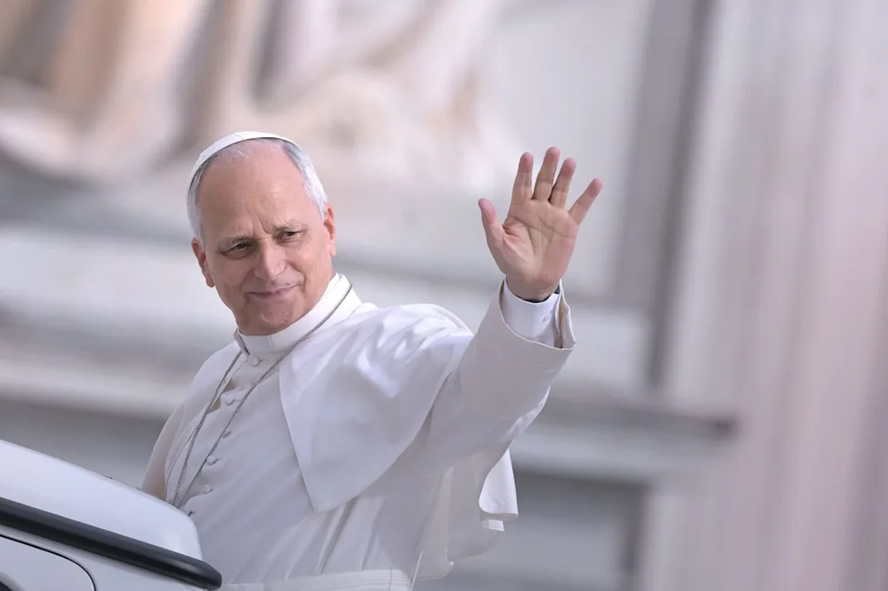
Pope Leo XIV has had part of his lung removed after doctors found early-stage cancer, in his first hospitalisation since becoming pontiff in May 2025.
The 71-year-old pontiff was diagnosed with lung adenocarcinoma, the Vatican confirmed, after surgeons removed the lower lobe of his right lung during a planned procedure at Rome’s Gemelli Hospital on October 13.
The operation lasted about 90 minutes, with Leo spending roughly three hours in total in the operating theatre. Doctors reported no complications, saying the pope woke normally before being returned to his room on the hospital’s 10th floor.
Two days earlier, the pontiff had hinted at the health scare during his weekly blessing at St. Peter’s Square, disclosing a “very early-stage and well-localised” nodule found during routine tests.
Oncologists had said before surgery that even if cancerous, the prognosis would be “excellent” given how early it was detected. The diagnosis was confirmed through tissue examination during the operation.
The Vatican said all audiences have been cancelled through October 20, with the pope expected to spend about a week recovering in hospital. His treatment plan has not yet been announced.
While the cause of the nodule remains unclear, doctors are cautiously optimistic following the early detection and removal.


Kogi Authorities Probe Why Police Corporal Killed female Colleague, Self
Spread the loveBy Michael Lim The Kogi State Police Command has begun to probe why a police corporal, Amos Yusuf,...

WHO Declares Nigeria Ebola-Free After Evacuation of Patient to Switzerland
Spread the loveBy Nick Ibe, Abuja Dr Mohamed Janabi, the World Health Organisation’s (WHO) Regional Director for Africa, says Nigeria...

Fake Letter Lands Atiku Supporter in Court
Spread the loveBy Isa Abdul, Abuja For circulating a fake document purportedly written by President Bola Ahmed Tinubu to the...


Harry Kane Ends England’s 25-Year Wait As Alexia Putellas Clinches Third Ballon d’Or In Historic London Ceremony
Spread the loveBy Felix Umande England captain Harry Kane and Spain midfielder Alexia Putellas have been crowned winners of the...

Benue: Troops Foil Kidnap on Highway, Rescue Woman Hacked With Machete,
Spread the loveBy Felix Umande Troops of the Joint Task Force, Operation WHIRL STROKE, rescued two would-be kidnap victims, during...

EFCC Arrests 14 Chinese, Nigerian in Ogun at Four Illegal Lithium Processing Plants,
Spread the loveBy Seyi Balogun, Lagos 14 Chinese and one Nigerian have been arrested at four illegal lithium processing plants in...

FG To Equip Ebola Treatment Centres Nationwide As Contacts Rise To 53, Approves N100,000 Weekly Support.
Spread the loveBy Felix Umande The Federal Government is planning to identify and equip Ebola treatment centres in states with...


Donald Trump Learns New Lesson about Fighting The Press: Drags Self Into His Own Trap.
Spread the loveTrump sued the BBC for $10 BILLION — a shakedown lawsuit meant to bully the press over a...

Burkina Faso Seals Food Self-sufficiency Gap with Bagré Mill
Spread the loveBy Son Tertsea, Abuja To achieve the strategic food security quest for citizens, Burkina Faso inaugurated its first...


JPMorgan Alters Banking in Nigeria, Gets CBN Approval, As Esther Alade Joins Merchant Bank
Spread the loveBy Seyi Balogun, Lagos The Central Bank of Nigeria (CBN) has approved plans by global financial services giant...