
Health
House urges FG to take proactive actions to tackle Ebola

By Saint Mugaga
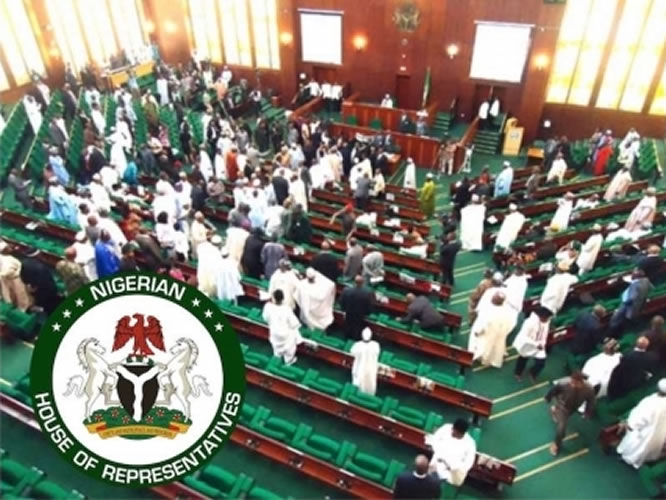
The House of Representatives has urged the executive to provide the Nigeria Centre for Disease Control (NCDC) with adequate releases as contained in the budget to enable it contain ebola and other diseases.
The House made the appeal after adopting a motion of urgent national importance sponsored by Hon. Amobi Ogah (NDC, Imo).
In adopting the motion, the House also urged the Port Health Authorities to intensify cross-border surveillance and checks to prevent infiltration of infected persons.
While presenting the motion, Ogah disclosed that on 15th May 2026, the Africa Centres for Disease Control and Prevention (Africa CDC) reported an outbreak of Ebola
disease in the Ituri Province of the Democratic Republic of Congo (just two steps
from Nigeria).
He said this rare and distinct strain of Ebola virus, the Bundibugyo Strain, is causing a major public health emergency in Central Africa and may spread to other parts of Africa soon because of the porous nature of our borders and lack of strict cross-border checks.
He expressed concerns that this version of the virus currently does not have any licensed vaccines or targeted medical therapies to mitigate it.
“The House should equally note that, on 25th May 2026, the Nigeria Centre for Disease Control (NCDC) placed Nigeria at high risk of Ebola importation.
“In the public health advisory issued by the Director General of NCDC, Dr. Jide Idris, ironically stated that the NCDC is intensifying national coordination activities to
strengthen Ebola preparedness and rapid response capacity across the country, and
that the National Emergency Operations Centre (EOC) is on alert mode for emergency preparedness.
“However, it is known that the NCDC received no operational funding in 2025, with no capital releases made to date against the approved 2026 allocation.
“Furthermore, the overhead releases are highly epileptic and grossly inadequate, which is in direct violation of basic international standards and constitutes an abuse of the
Appropriations Acts. How then can the preparedness of the Centre for emergencies
be guaranteed?
“It is worrisome to note that, due to lack of adequate funding, coupled with uncertainty regarding the quantum that will be released this year, the capacity to
fulfill critical health security obligations has significantly weakened.
“We should also bear in mind that this situation is compounded by a marked reduction in external donor support, which previously complemented government financing for outbreak preparedness and response activities.
It is essential to note that, presently, the Centre is experiencing critical challenges, including but not limited to the following: Vendors have not been paid for critical goods and services for over one year.
“If urgent, appropriate funding for the Centre is not immediately met, the strength
and capacity of the NCDC to adequately respond to the resurfacing Ebola threat
and other epidemic-prone diseases cannot be assured, which is extremely
disastrous to Nigeria as a nation”.




By Nick Ibe, Abuja
Dr Mohamed Janabi, the World Health Organisation’s (WHO) Regional Director for Africa, says Nigeria currently has no Ebola case following the medical evacuation of the patient and her husband to Switzerland.
Janabi said this in a statement on his official X handle on Monday, adding that Nigeria would continue monitoring the 52 contacts, while Switzerland would manage the patient and follow up with her husband.
He said the lone patient and her husband are Swiss and their evacuation took place Monday morning.
The patient was clinically stable enough for the journey after Nigerian medical teams successfully managed her through the acute phase of the illness.
Janabi added that the development was a remarkable achievement by the Federal Government, health workers, clinicians, emergency responders and other partners involved in the Ebola response.
He congratulated Nigeria for the successful management of the patient which was a demonstration of Africa’s expertise, resilience and leadership in public health, particularly when countries worked together to respond to health emergencies.
The WHO regional director however warned that vigilance remained critical despite the evacuation, urging continued attention to contact monitoring and other response measures.
He said while Nigeria would maintain close follow-up of the 52 contacts, Switzerland would assume responsibility for the continued management of the patient and monitoring of contact number 53, her husband.
Health
FG To Equip Ebola Treatment Centres Nationwide As Contacts Rise To 53, Approves N100,000 Weekly Support.
By Felix Umande
The Federal Government is planning to identify and equip Ebola treatment centres in states with designated ports of entry as the number of contacts linked to Nigeria’s confirmed case rises to 53.
The measure is part of efforts to strengthen preparedness against possible spread, with government assessing isolation capacity at the University of Abuja Teaching Hospital, UATH, and planning infection prevention and control, IPC, assessment at Karu General Hospital.
According to an Ebola situation report obtained on Sunday, authorities are also working to establish referral mechanisms for suspected cases, strengthen surveillance at ports of entry and improve capacity of healthcare facilities to manage infections.
The report stated that UATH had undergone needs assessment and optimisation for isolation and treatment, while IPC assessment was planned for Karu General Hospital to determine capacity for possible surge.
“The measures are aimed at ensuring that suspected Ebola cases can be identified, isolated and referred promptly, including in states that may need to respond to infections detected at international entry points,” the document stated, listing “identification and optimisation of treatment centres in states with designated POEs” and referral from point of detection to treatment centres as priorities.
The development comes as the Nigeria Centre for Disease Control and Prevention, NCDC, approved emergency payment of N100,000 per person weekly to support people in isolation or quarantine.
NCDC Director-General, Dr. Jide Idris, disclosed this during a press briefing on Sunday, saying the payment was introduced after complaints about cost of feeding, accommodation and family upkeep.
“We are paying for their accommodation; we are paying for their feeding. Some of them are asking for a stipend to maintain their families. We are providing N100,000 per person per week just to maintain their comfort and feeding, because they were complaining,” he said, noting it was not initially planned but necessary as emergency response.
Idris stressed that responsibility should not rest on FCT alone, urging states to prepare resources for contact tracing, isolation and surveillance.
According to the situation report, 53 contacts have been identified, line-listed and categorised, up from 44 initially announced. Of the 53, 44 are associated with the health facility where the patient was treated, while nine include household members and those who attended to her during earlier emergency visit.
NCDC is also tracking secondary contacts and monitoring daily, with anyone symptomatic to be assessed promptly. One contact who felt unwell tested negative.
The agency said genomic sequencing of the confirmed case has been completed by the NCDC National Reference Laboratory and African Centre of Excellence for Genomics of Infectious Diseases, with plans to share report and position additional reagents across national laboratory network.
IPC capacity assessments have been conducted across states, with plans to implement IPC ring strategy across concentric perimeters to strengthen screening and isolation. The national stockpile of personal protective equipment has been increased, with 500 donated testing kits incorporated.
Port Health Services has conducted in-depth investigation with aviation stakeholders, while enhanced surveillance at all ports of entry continues.
The confirmed case involves a woman who travelled to Nigeria after visiting Uganda, following a trip to Democratic Republic of Congo. She developed symptoms on October 7, sought care in Abuja on October 11 and tested positive for Bundibugyo strain on October 20.
The World Health Organisation said investigations continue to establish likely source of infection. NCDC urged Nigerians to remain calm, observe preventive measures and avoid stigmatising contacts.

By Philip Nyam
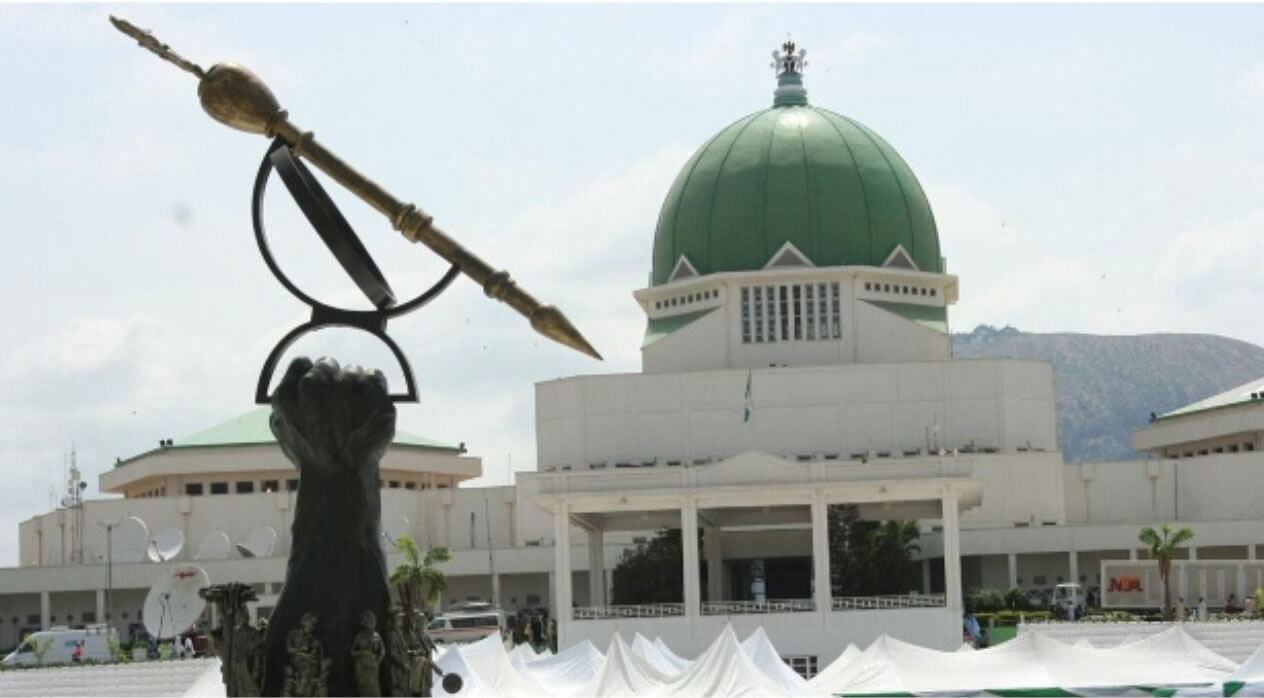
The House of Representatives at plenary on Wednesday passed through second reading a bill seeking for an Act to establish a comprehensive framework for deceased organ and tissue donation and transplantation in Nigeria, while protecting donors, recipients, families and the integrity of the transplantation system.
The proposed legislation titled, “Bill for an Act to Establish a National Deceased Organ and Tissue Donation Program for the Federal Republic of Nigeria; to Provide for the Identification, Referral, Authorisation, Recovery, Preservation, Allocation and Transplantation of Organs and Tissues From Deceased Persons; to Establish the National Organ Donation and Transplantation Authority; to Provide for the Determination of Death for the Purposes of Deceased Donation; to Promote Equitable Access to Transplantation; to Prohibit Organ Trafficking, Transplant Tourism and Commercial Dealings in Human Organs and Tissues; and for Related Matters,” was sponsored by the Deputy Speaker, Rt. Hon. Benjamin Kalu and six other lawmakers.
Leading the debate on its general principles, one of the co-sponsors Hon. Patrick Umoh noted that organ and tissue donation represents one of medicine’s most profound possibilities, that the end of one life may offer the chance of renewed life to another.
He said this possibility carries significant legal, ethical and medical responsibilities, hence Nigeria’s transplantation system requires a clear and coordinated legal framework governing consent, death determination, organ recovery, allocation, transplantation, tissue banking, safety and oversight.
According to him, in the absence of such a framework, vulnerable persons may be exposed to exploitation, while public confidence in donation may be undermined.
He therefore said that the Bill provides that framework by establishing appropriate regulatory structures, ensuring equitable access, strengthening patient safety and expressly prohibiting the commercialisation and trafficking of human organs and tissues.
He explained that recovered organs are to be allocated through a National Organ Allocation and matching system and the national waiting list, stressing that allocation cannot be based on wealth, political influence or other non-medical considerations; inability to pay alone cannot remove a person from the waiting list.
The lawmaker said, “This Bill which seeks to establish a national framework for deceased organ and tissue donation and transplantation that is ethical, equitable, safe and transparent, while preventing organ trafficking and commercialisation contains 172 Clauses divided into 16 Parts and 3 Schedules. Creates a nationwide legal and regulatory structure covering the full deceased-donation pathway—from donor identification through transplantation.
Dedicated Authority: Establishes a National Deceased Donation and Transplantation Authority as the principal national regulator and coordinator, with headquarters in Abuja and progressive zonal structures.
“Explicit consent: Donation is voluntary and requires lawful authorization. The Bill expressly rejects presumed consent/opt-out donation. First-person choice: An adult with legal capacity may authorize donation, and a valid First-Person Authorization remains effective despite family objection.
Binding refusal: A valid refusal is legally binding and must prevent recovery contrary to that refusal. Donation cannot be the reason for declaring death. Death determination is independent of transplantation, with independent confirmation requirements.
“The Bill provides for accreditation, licencing, donor audits, biovigilance, adverse-event reporting, traceability and safety alerts. Organ trafficking, transplant tourism, brokerage and commercial dealings are expressly prohibited and subject to enforcement. Donor families are to receive information, counselling and appropriate bereavement, psychological and requested spiritual/religious support. The Authority must publish annual reports and national performance indicators while protecting confidentiality and personal data.”
The Bill was voted on, passed and referred to relevant committee for further legislative action.


FG Gives Workers N70,000 Monthly Transport Support for Six Months
Spread the loveBy Nick Ibe, Abuja To cushion the harsh impact of rising living costs, the Federal Government has approved...


Trump and the 95-year Mother: Government That Cares for All Citizens
Spread the love“Trump… Please bring my son back to me. I am begging you for mercy.” And what Trump did...


Probe Panel Says Heat, Dehydration Killed 33 Detained Niger Miners
Spread the love–Calls for NSCDC reforms, compensation for victims By Son Tertsea, Abuja Dehydration was cause of the death of...


Tinubu Seeks Law To Bring Back Nigerians Jailed Abroad
Spread the loveBy Felix Umande President Bola Ahmed Tinubu has transmitted a bill to the Senate seeking to empower the...

Senate Says: Travel Agencies, Short-let Apartments Need Closer Scrutiny in Human Trafficking Probe
Spread the loveBy Isa Abdul, Abuja As part of efforts to dismantle trafficking networks and protect Nigerians from exploitation abroad,...

El Niño: Its Meaning, Effects and How Nigerians Should Prepare for It
Spread the loveBy Son Tertsea, Abuja Nigerians have been alerted that El Niño event would raise concerns that potentially affect...


Accusations of Data Theft: MTN Explains How Nigerians Consume Data Fast
Spread the loveBy Nick Ibe, Abuja: Engaging in high-resolution video streaming, automatic downloads, background applications, cloud backups and increased internet...


Kogi Authorities Probe Why Police Corporal Killed female Colleague, Self
Spread the loveBy Michael Lim The Kogi State Police Command has begun to probe why a police corporal, Amos Yusuf,...

WHO Declares Nigeria Ebola-Free After Evacuation of Patient to Switzerland
Spread the loveBy Nick Ibe, Abuja Dr Mohamed Janabi, the World Health Organisation’s (WHO) Regional Director for Africa, says Nigeria...


Fake Letter Lands Atiku Supporter in Court
Spread the loveBy Isa Abdul, Abuja For circulating a fake document purportedly written by President Bola Ahmed Tinubu to the...