
Environment
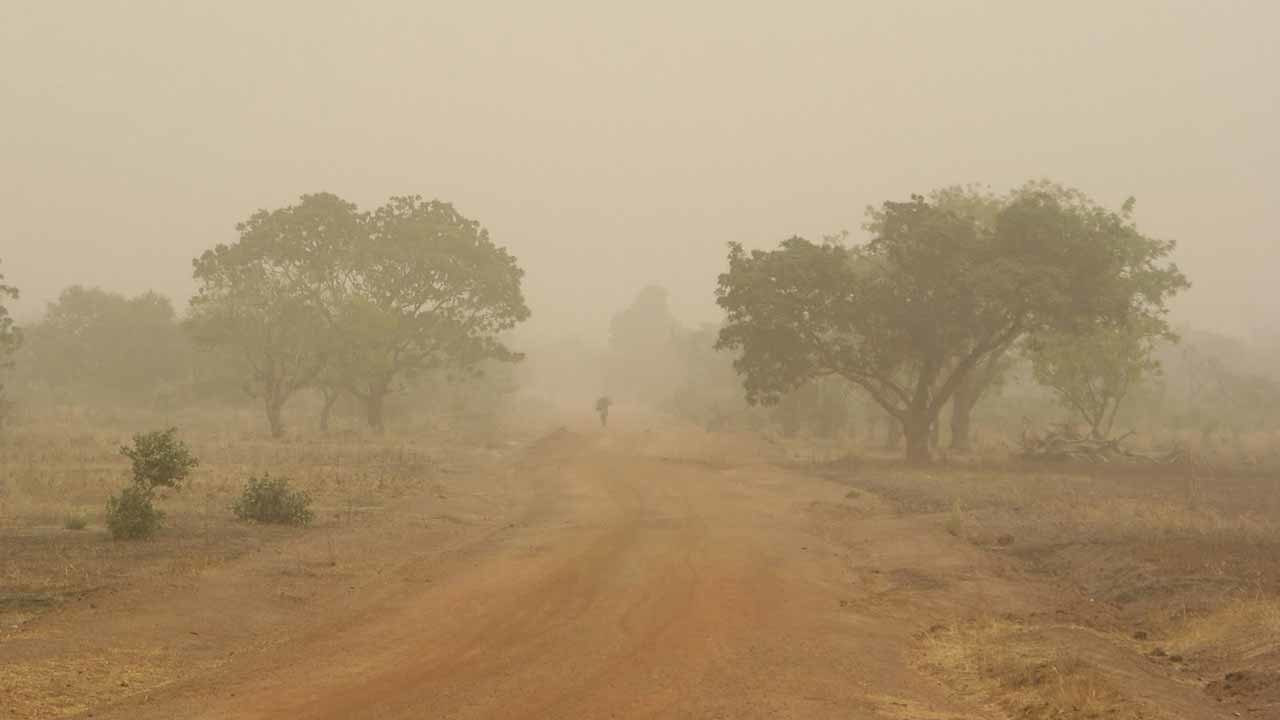
Harmattan Delay Sparks Concern AS Benue Experiences Unprecedented Weather Pattern

By Felix Umande, Makurdi
The unusual absence of harmattan in Nigeria till the new year has left residents bewildered, describing the experience as strange and unprecedented.
Experts attribute this anomaly to climate change, which is disrupting traditional weather patterns. Rising global temperatures, sustained warm ocean temperatures, and delayed shifts in atmospheric pressure zones are contributing to the delay.
According to climatologists, the Intertropical Discontinuity (ITD) has remained further north than usual, allowing moisture-laden winds to persist and prevent the dry harmattan from setting in. Unusually warm Atlantic Ocean temperatures are releasing significant moisture, counteracting the dry conditions needed for harmattan.
Makurdi residents are expressing fear as the delayed onset of harmattan has significant implications for agriculture, water scarcity, and health. There is heightened fear ss the Nigerian Meteorological Agency (NiMet) also warns that the delayed harmattan may lead to erratic rainfall, affecting crop yields and food security.
Key factors contributing to the delay include:
- Delayed Retreat of the Intertropical Discontinuity (ITD)
- Unusually Warm Ocean Temperatures
- Persistent Moisture and Off-Season Rainfall
- Global Warming
- Urban Heat Zones
As the situation unfolds, Benue people are left wondering what the future holds for their climate. Will the harmattan eventually arrive, or will this be the new normal? One thing is certain – climate change is reshaping Nigeria’s weather patterns, and it’s time to take notice.
By Saint Mugaga
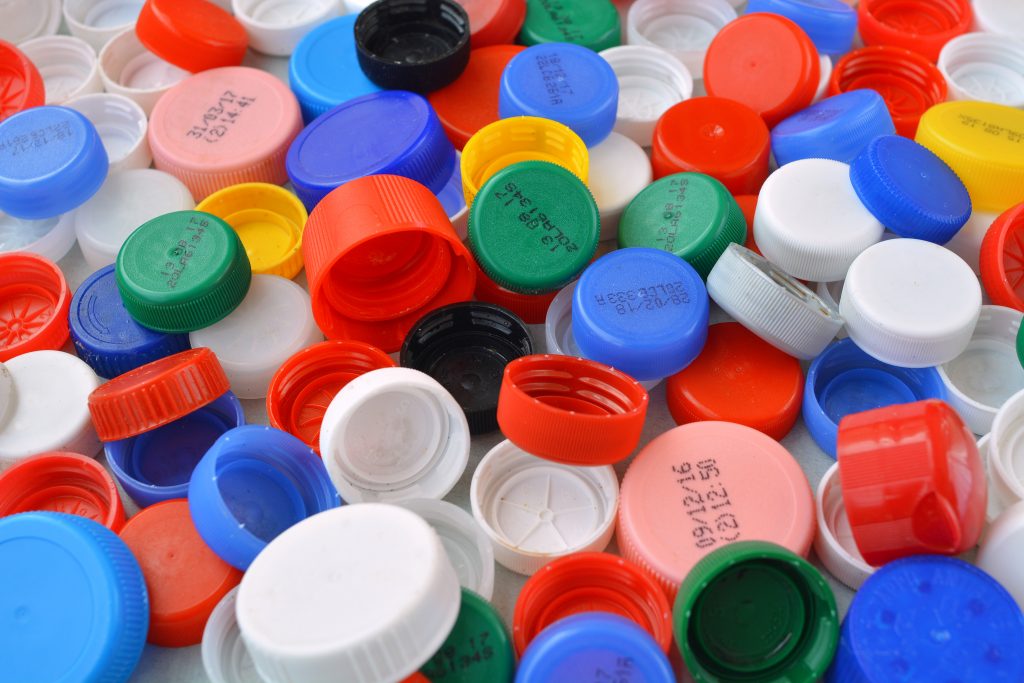
The House of Representatives Ad-hoc Committee on Preparedness for Single-Use Plastics Ban in Nigeria has proposed the introduction of a green tax on industries engaged in the production of polypropylene, one of the most widely used materials in plastic manufacturing.
Chairman of the committee, Hon. Terseer Ugbor (APC, Benue) said the House will also consider a legislation to regulate polypropylene production and promote recycling as part of a nationwide strategy to mitigate pollution and safeguard public health.
Ugbor described plastic pollution as a growing menace, warning that
He said the move was aimed at addressing Nigeria’s rising plastic waste crisis and ensure that industries bear responsibility for the environmental costs of their production activities.
Ugbor described plastic pollution as a growing menace, warning that the unchecked rise in polypropylene-based products has placed immense pressure on Nigeria’s already strained waste management systems.
He said “Polypropylene’s environmental impact is substantial and disturbing. During the production process, it releases toxic chemicals like formaldehyde and benzene, putting workers and nearby communities at risk.
“It’s responsible for enormous carbon emissions and relies heavily on fossil fuels, contributing to resource depletion. As waste, polypropylene isn’t biodegradable, lingering in landfills for up to 500 years and polluting our oceans and harming marine life in the process.”
He added that the committee would engage closely with the Federal Ministry of Environment and the National Environmental Standards and Regulations Enforcement Agency (NESREA) to develop policy frameworks for the proposed green tax and integrate polypropylene recycling into the national waste management program.
“Nigeria cannot afford to continue on this path of environmental neglect. Our industries must take responsibility for the ecological footprints they leave behind. This committee will work with all relevant stakeholders to ensure that sustainable, environmentally responsible solutions are not just recommended but implemented,” Ugbor said.
Nigeria is currently ranked among the top 20 countries globally contributing to marine plastic pollution. Studies by the World Bank and the United Nations Environment Programme (UNEP) estimate that the country generates over 2.5 million tonnes of plastic waste annually, with less than 10 percent being recycled.
Major cities such as Lagos, Abuja, and Port Harcourt are the hardest hit, as clogged drainage systems and waterways littered with plastic waste contribute to recurrent flooding and water contamination.
Environmental experts warn that improper disposal of polypropylene and other plastic materials contaminates soil, groundwater, and food sources, while burning plastic waste releases toxic emissions into the atmosphere, worsening air quality and contributing to respiratory diseases.
Ugbor said the committee would also hold public hearings with manufacturers, recyclers, and environmental experts to ensure that any proposed levy or regulation is both effective and equitable.
“This is not about taxation,” he emphasised. “It is about responsibility, sustainability, and protecting the future of our environment and our people.”

One person is dead with more than 300 farmlands and crops destroyed across three Local Government Areas as severe flooding ravaged Nasarawa State.
This is disclosed in Lafia by the Director General of the Nasarawa State Emergency Management Agency (NASEMA), Mr. Benjamin Akwash, after leading an assessment of the affected area.
He explained that the agency has been sensitizing residents of flood-prone communities and engaging stakeholders on the importance of safety measures and adherence to weather forecasts issued by relevant authorities. However, he expressed worry that many residents living in high-risk zones have refused to relocate despite repeated warnings.
Mr. Akwash further revealed that the state government is developing a sustainable flood prevention strategy to address recurring disasters, instead of focusing solely on relief efforts after the damage has been done.
According to him, detailed assessments are ongoing in Nasarawa, Kokona, and Doma LGAs, where farmlands running into hundreds of hectares were submerged, resulting in huge losses and the death of one person.
He also announced that the state government has finalized plans to distribute food and non-food relief materials to victims of flooding and other disaster-affected communities.
The NASEMA boss appealed to residents in riverine areas, especially in the five most vulnerable LGAs of Doma, Nasarawa, Toto, Awe, and Kokona, to urgently move to safer locations in order to safeguard their lives and property.



US Sells ex-Gambian Dictator Jammeh’s $3.5m Mansion, Shares $2.5m to Victims
Spread the loveBy Son Tertsea The United States has returned about $2.5 million to The Gambia from the sale of...


Nasarawa Police Foil Murder Attempt, Net 4 Kidnappers, 2 Cultists
Spread the loveMichael Lim Four suspected kidnappers who allegedly plotted to kill their victim after collecting ransom have been arrested...


Bill Gates Warns AI Is ‘Powerful’ Enough To Destroy Humanity
Spread the love–There “absolutely” needs to be legislation regulating AI and law enforcement By Son Tertsea, Abuja Billionaire Bill Gates...

EFCC Chair: “I receive over 20,000 Corruption Petitions Yearly in Respect to Public Corruption
Spread the loveBy Son Tertsea, Abuja Fresh concerns have been raised over the scale of corruption in the public sector...


2027: Join APC or quit the Rainbow Coalition, Zamfara Gov tells Wike
Spread the loveBy Son Tertsea, Abuja The Minister of the Federal Capital Territory, Nyesom Wike, has been told to either...

Akume Urges CEOs of Federal Agencies To Take Tinubu’s Reforms To Grassroots, Counter Disinformation
Spread the loveBy Felix Umande The Secretary to the Government of the Federation (SGF), Senator George Akume, has charged Chief...


2027 Polls: S’Court Restores Portions of Electoral ActInvalidated by Appeal Court
Spread the loveBy Isa Abdul, Abuja Portions of the Electoral Act 2026 that were earlier invalidated by the Court of...

FCSC Boss: Amend Universities Acts for Smarter Funding, Governance Autonomy
Spread the loveBy Michael Lim A fundamental review of the legal framework governing Nigerian universities to grant them greater operational,...


Benue Assembly Passes Bill For Free Treatment Of Snakebites
Spread the loveBy Felix Umande The Benue State House of Assembly has passed a bill to be signed into law...


Press Wins War Against Trump: CNN, MS Now and Politico Back into White House
Spread the loveBy Son Tertsea The trio of CNN, MS NOW and Politico have gained a court nod allowing them...