
General News
US lawmakers link Chinese illegal mining to terrorism funding in Nigeria

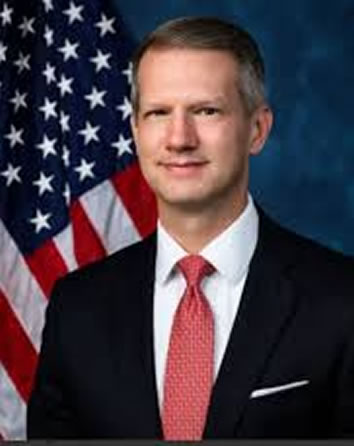
Five Republican lawmakers in the United States have alleged that Chinese nationals engaged in illegal mining operations in Nigeria are paying terrorists for protection, as part of arguments advanced in a new bill before Congress.
The lawmakers, Riley Moore of West Virginia, Chris Smith of New Jersey, Bill Huizenga of Michigan, Brian Mast of Florida and Mario Diaz-Balart of Florida, made the claims in the proposed Nigeria Religious Freedom and Accountability Act of 2026.
According to a statement published on Mr Smith’s official website, the bill is expected to move quickly through the House and gain broad support. Mr Smith, who chairs the House Foreign Affairs Subcommittee on Africa, said the legislation would require the US Secretary of State to compile and submit to Congress a comprehensive report on US efforts to address religious persecution and violence in Nigeria.
A copy of the bill seen by reporters states that “systemic religious persecution,” including mass killings, kidnappings, rape, destruction of villages and forced displacement, has persisted in Nigeria since 2009. The lawmakers attributed these acts to Boko Haram, the Islamic State West Africa Province (ISWAP), Fulani militant groups and other extremist organisations, claiming that between 50,000 and 125,000 Christians were killed between 2009 and 2025 and that numerous churches were attacked or destroyed within the same period.
“The acts carried out by these militias are intended to intimidate, coerce, and displace civilian populations, disrupt local governance, and assert control over territory,” the bill states, adding that such actions meet the criteria for designation as a Foreign Terrorist Organisation under US law.
The bill is separate from another proposed legislation sponsored by Moore and Smith seeking to designate former Kano governor Rabiu Kwankwaso and two Nigerian herder groups as terrorists.
In the new bill, the five lawmakers further argued that the US Secretary of State should work with the Nigerian government to counter what they described as “hostile foreign exploitation” linked to Chinese illegal mining operations and the alleged practice of paying protection money to Fulani militias. The Chinese government and its embassy in Nigeria have not responded to the allegations.
Previous reports have made similar claims. A study by SBM Intelligence, a Lagos-based research and strategic intelligence firm, alleged that some Chinese companies bribed armed groups to gain access to mining sites. The findings, shared with a British newspaper, included videos in which militant leaders reportedly boasted that Chinese miners operating in their territories paid “rent.”
Separately, an investigation by WikkiTimes, a Bauchi-based publication, reported that Chinese-affiliated miners allegedly engaged with members of a terror faction led by Dogo Gide to secure access to mining locations in Shiroro Local Government Area of Niger State. An audio clip cited in the report purportedly captured discussions about negotiations before operations commenced.
The bill comes amid heightened diplomatic tensions between the United States and Nigeria over allegations of religious persecution. Over the past year, some US lawmakers have accused Nigeria of tolerating what they describe as a campaign of Christian genocide, a claim the Nigerian government has repeatedly denied. Abuja maintains that terrorist violence affects Nigerians of all religious backgrounds.
President Donald Trump recently redesignated Nigeria as a “Country of Particular Concern,” a move that raised concerns about possible sanctions or other measures. Tensions escalated further following US airstrikes carried out on December 25, 2025, which Trump said targeted Islamic State camps in Nigeria’s North-west. Debris from the strikes was reportedly found in Sokoto, Kwara and Niger states, with some observers questioning whether all missiles hit their intended targets.
The Nigerian government said it consented to the airstrikes and described them as part of an ongoing bilateral security partnership conducted with full respect for Nigeria’s sovereignty.
Reports have also indicated that the United States has deployed a small team of military personnel to Nigeria, with plans to send an additional 200 troops. Concerns have been raised domestically about the presence of foreign troops, but Nigeria’s Defence Headquarters has stated that the US personnel will focus on training and tactical support rather than direct combat operations






General News
Death of 37 Miners in Custody: Ajia Calls for Independent Investigation, Accountability
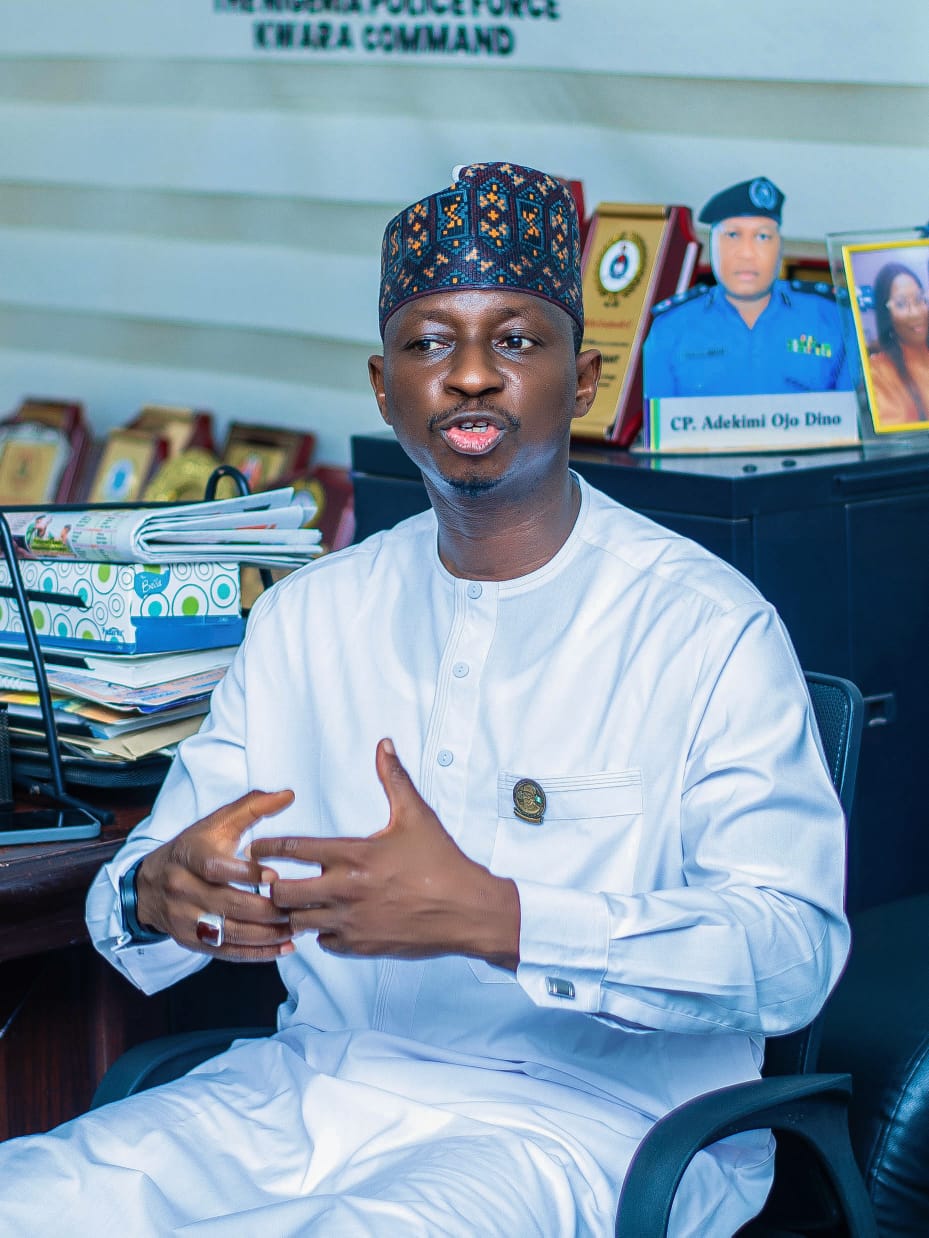
A chieftain of the All Progressives Congress (APC) and the Dan Amanan Fune Emirate of Yobe State. Alhaji Ibrahim Mohammed Ajia, Ph.D., has expressed concern over the death of 37 suspected illegal miners while in the custody of the Nigeria Security and Civil Defence Corps (NSCDC) in Minna, Niger State, describing the incident as a grave tragedy that demands a transparent and credible investigation.
In a statement issued by his Director of Communications, Mallam AbdulRahaman Aliagan, on Monday, Dr. Ajia commiserates with the Federal Government, the Government and people of Niger State and, in particular, the families of the deceased. He stated that the circumstances surrounding the deaths demand urgent and honest answers from the relevant authorities.
The victims were reportedly among scores of suspects arrested during anti-illegal mining operations in the M.I. Wushishi and Lukoto areas of the state on September 15 and 16.
Dr. Ajia noted that the death of individuals while in state custody raises serious questions regarding compliance with established detention procedures. He stressed that persons arrested for alleged offences are entitled to lawful investigation and due process, and must not be exposed to conditions capable of endangering their lives or wellbeing.
He further observed that the incident underscores the need for security agencies to uphold rigorous standards in the management of detention facilities, including adequate supervision, appropriate holding conditions, access to basic necessities, and effective safeguards for the welfare of all persons in custody.
The APC chieftain also called for stronger coordination among security and law enforcement agencies, insisting that suspected illegal miners be properly profiled, investigated, and prosecuted strictly through established legal channels. He emphasized that the enforcement of laws against illegal mining must be pursued in a manner that upholds human rights and the dignity of persons in custody, without exception.
Dr. Ajia commended the Federal and Niger State Governments for their prompt intervention, as well as the police and administrative investigations already underway. He noted that the Federal Government has constituted a ten-member independent committee to investigate the arrests, detention, and circumstances surrounding the deaths, and that officers connected with the incident have been suspended pending the outcome of that investigation.
He appealed to residents, particularly the youths of Niger State, to remain calm and allow the investigative process to proceed unhindered, cautioning that public anger over this tragedy must not translate into further loss of life or destruction of property. He urged the relevant authorities to maintain open and regular communication with the affected families and the general public as the investigation progresses.
Dr. Ajia called for an independent, thorough, and transparent determination of the circumstances that led to the deaths, insisting that any individual found culpable be held accountable under the law, irrespective of rank or position.
He affirmed that accountability, respect for human rights, and professionalism in security operations remain essential pillars for strengthening public confidence in Nigeria’s security institutions. He concluded by praying that Almighty Allah grants the departed eternal rest and grants their families the fortitude to bear this profound loss.
By Nick Ibe
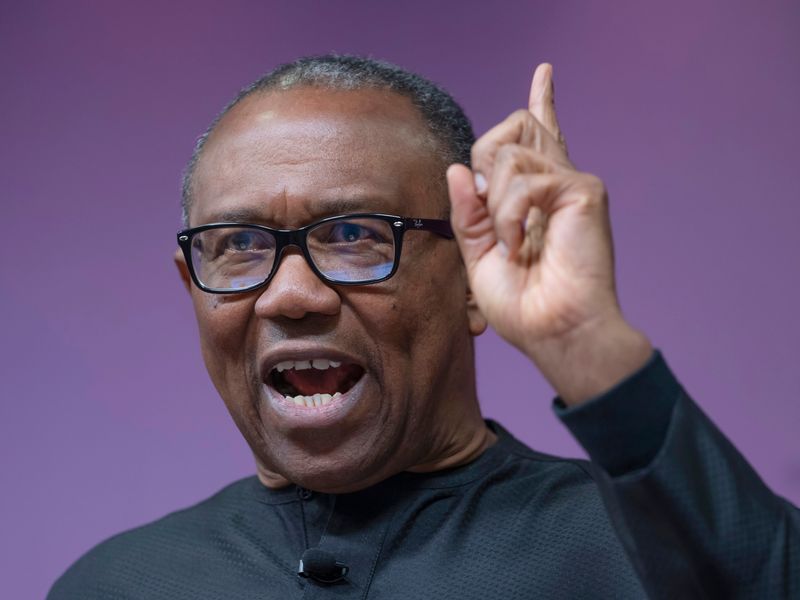
A letter purportedly written by him to the Obi of Onitsha, Igwe Nnaemeka Achebe, against the Governor of Anambra State, Professor Charles Soludo has been disowned by Peter Obi, the Presidential Candidate of the Nigeria Democratic Congress, NDC. He emphasises that he wrote no such letter.
The purported letter appealed to Achebe over political and financial issues he, Obi, is having with Governor Chukwuma Soludo of Anambra state.
But, Obi, in a statement posted on his X account on weekend, dismissed the letter as “entirely false” and malicious. He also disclosed that the signature attached to the purported letter was forged.
Obi appealed to members of the public and the media to treat the letter with the contempt it deserves, adding that it was designed to mislead the public. The resd:
“My attention has been drawn to a fake letter circulating on social media, purportedly written by me to His Majesty, Igwe Nnaemeka Alfred Ugochukwu Achebe, the Obi of Onitsha, concerning political and financial matters in Anambra State.
“This document is entirely false, malicious, and a fabrication by mischievous elements aimed at misleading the public.
Furthermore, the signature appended to the letter is completely forged,” Obi said.
He added that his attention remained focused on national development and accountability rather than what he described as fabricated publications.
“My focus remains steadfastly on issues of national development, accountability, and building a better future for our people – never on cheap fabrications.”
The rebuttal follows the disagreement between Obi and the Anambra State Government administration over the financial position of the State at the end of Obi’s tenure in 2014.
The fake letter, dated September 19, 2026, and addressed to the Obi of Onitsha was titled, “The Future of Ndigbo is Bleak.”
Furthermore, the purported letter called for transparency over the financial records and liabilities of Anambra State, and urged traditional rulers, political leaders and elders to prevent political disagreements from coming between the people.
The letter also called for the state’s financial records to be examined and for questions surrounding the administrations of Obi and Soludo to be resolved through evidence and transparency.
The letter surfaced days after the Anambra State Government released details of loan facilities it attributed to Obi’s administration and insisted that the state was still carrying repayment obligations from that period.

By Felix Umande
President Bola Ahmed Tinubu has charged the Nigeria Police Force to maintain the highest standards of professionalism and impartiality ahead of the 2027 general elections, stressing that the police must never be seen as an instrument of any political interest.
The President gave the charge at the 2026 Conference and Retreat for Senior Police Officers in Owerri, Imo State, in an address delivered on his behalf by the Secretary to the Government of the Federation, Senator George Akume.
President Tinubu said every Nigerian, irrespective of political affiliation, ethnicity, religion, social status or geographical location, must feel protected by the police, noting that neutrality and professionalism are fundamental to public confidence and the credibility of the nation’s democracy.
“The police must be seen not as an instrument of any political interest, but as a national institution serving the Nigerian people and protecting the constitutional order. This is fundamental to public trust and to the credibility of our democracy,” the President said.
Speaking on the theme “Developing a Nigeria Police Roadmap for Effective Management of Security During Elections,” Tinubu said the 2027 elections would require careful preparation, professionalism, impartiality, intelligence-led operations and close coordination among security and electoral stakeholders.
He assured that the Federal Government would provide the necessary support to enable the Force effectively discharge its responsibilities.
The President explained that securing the electoral process goes beyond protecting ballot papers and polling stations, as it also entails protecting citizens, electoral officials and materials, ensuring peaceful campaigns, preventing violence and intimidation, and guaranteeing that Nigerians can participate in the democratic process without fear.
He reaffirmed the Federal Government’s commitment to ongoing police reforms, stressing that meaningful reform requires sustained investment in personnel, training, technology, intelligence infrastructure, operational logistics, welfare and institutional systems.
Tinubu urged the Force to strengthen intelligence gathering, improve response times, deepen community engagement, embrace technology and enhance inter-agency cooperation to meet increasingly sophisticated security threats.
He commended the Inspector-General of Police, IGP Olatunji Rilwan Disu, and the Police Management Team for efforts to reposition the Force and respond to emerging security challenges, while acknowledging the sacrifices of officers confronting kidnapping, terrorism, banditry, armed robbery, cultism and other violent crimes across the country, including those who have paid the ultimate price.
The President, however, reminded the Force that security expectations of Nigerians remain high, urging officers to build public confidence through discipline, accountability, professionalism and respect for the rights and dignity of citizens.
He tasked senior officers at the retreat to produce a practical and implementable roadmap that would strengthen election security, improve operational preparedness and deepen public confidence, while looking beyond 2027 towards building a modern, professional, technology-enabled, intelligence-driven and citizen-centred police force.
Tinubu assured officers and men of the Force that the Federal Government values their sacrifices and remains committed to supporting them.



Death of 37 Miners in Custody: Ajia Calls for Independent Investigation, Accountability
Spread the loveA chieftain of the All Progressives Congress (APC) and the Dan Amanan Fune Emirate of Yobe State. Alhaji...

Body Operating With Name National PTA, Unknowed to Edu Ministry
Spread the loveBy Son Tertsea, Abuja The body operating under the name National Parent-Teacher Association (PTA) of the Federal Unity...

Peter Obi Distances Self From Purported Letter to Obi of Onitsha
Spread the loveBy Nick Ibe A letter purportedly written by him to the Obi of Onitsha, Igwe Nnaemeka Achebe, against...


2027 Elections: Police Must Never Be Seen As Political Tool, Tinubu Warns
Spread the loveBy Felix Umande President Bola Ahmed Tinubu has charged the Nigeria Police Force to maintain the highest standards...
Tinubu To Return At Weekend After Extended Working Vacation In London, Paris – Presidency
Spread the loveBy Felix Umande President Bola Ahmed Tinubu will return to Nigeria at the weekend following the extension of...

Benue Govt Suspends Muslim Pilgrims Board Chairman, Secretary Over Alleged Mismanagement
Spread the loveBy Felix Umande The Benue State Executive Council has approved the suspension of the Chairman and Executive Secretary...


BUILDING A BUSINESS: He Started an eBay Side Hustle at 14 – Then Grew It Into a $92 Million
Spread the loveKey TakeawaysLior Pozin started dropshipping on eBay at 14.By age 21, he was making $6,000 per month dropshipping,...

Plateau Imposes Curfew on 3 LGAs, Bans Use Of Motorcycles
Spread the loveBy Michael Lim, Jos A dusk-to-dawn curfew on Barkin Ladi, Bokkos and Mangu Local Government Areas of Plateau...

Tinubu Praises Kaduna Gov Uba Sani’s Free CNG Mass Transit … As Benue Increases Fares for Commuters
Spread the loveBy Son Tertsea President Bola Ahmed Tinubu has praised Kaduna state government for deploying Compressed Natural Gas, CNG,...

Foreign Medical Tourism to Drop as Nigeria Records First Tele-robotic Surgery Success in West Africa
Spread the loveBy Son Tertsea Nigeria’s first tele-robotic surgery on September 20, 2026 at the Redeemer’s Health Village (RHV), in...